 EN − AZN

Blood Clotting and Thrombosis: Symptoms and Causes
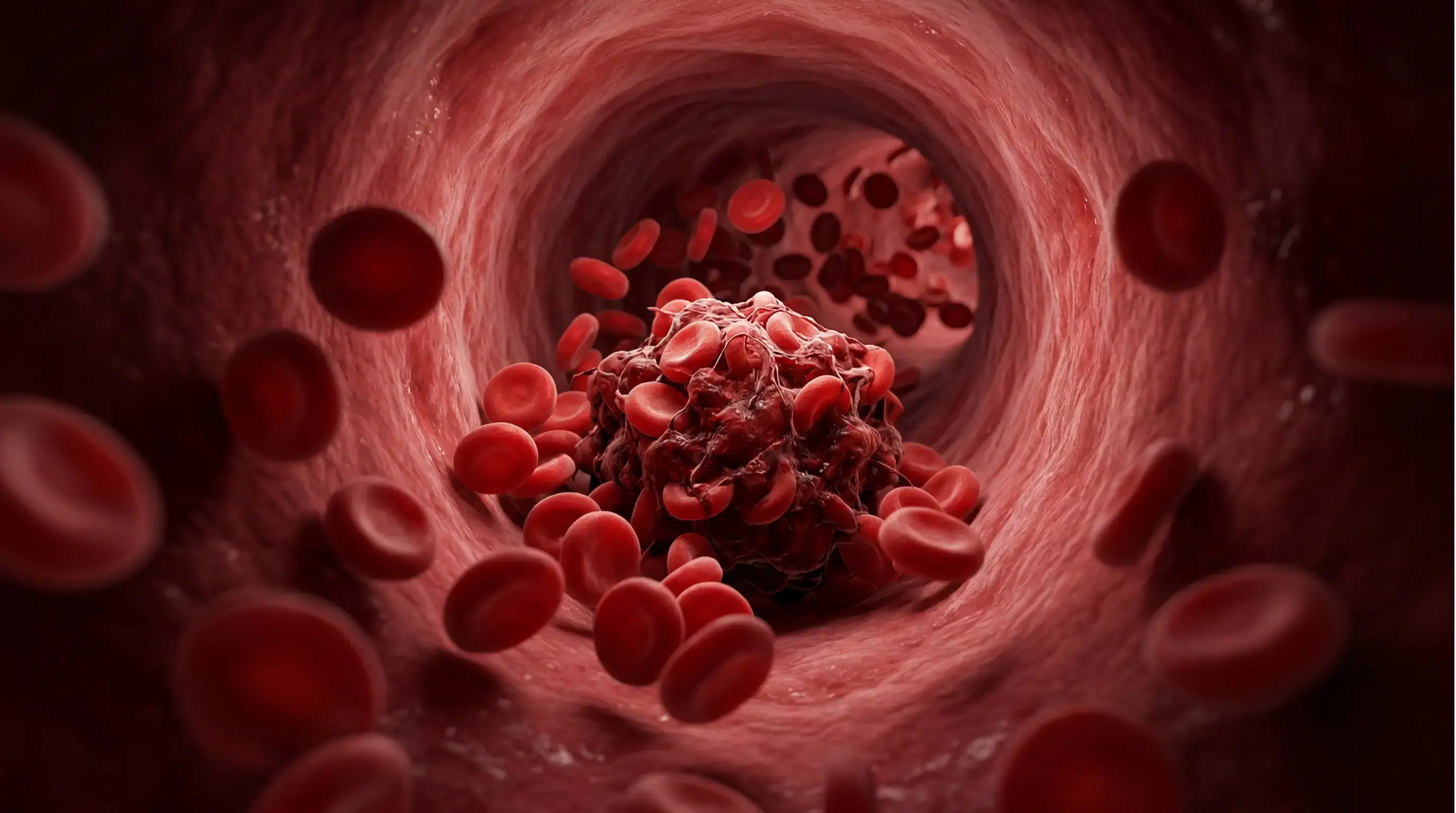
Blood is one of the most important systems in the human body. Through the vascular system, blood carries oxygen, nutrients, and hormones throughout the body. However, in some cases, blood may clot inside the blood vessels. This condition is called blood clotting or medically thrombosis. If it is not detected in time, it can lead to serious health complications.
What Is Blood Clotting?
Normally, blood clotting is a protective mechanism of the body. For example, when there is a cut or injury, blood clotting helps stop bleeding. However, sometimes a clot can form inside a blood vessel without a clear reason.
When this happens, it can block the blood vessel and cause vascular blockage. As a result, oxygen delivery to tissues may be reduced, leading to various health problems.
What Is Thrombosis?
Many people ask the question: what is thrombosis? Thrombosis occurs when a blood clot forms inside a blood vessel and disrupts normal blood flow. It can develop in both veins and arteries.
Common types include:
-
Blood clots in the legs
-
Clots in the heart vessels
-
Reduced blood flow to the brain
-
A clot traveling to the lungs (embolism)
In some cases, thrombosis can cause severe and life-threatening complications.
Symptoms of Blood Clotting
The symptoms of blood clotting may sometimes appear gradually, but there are several warning signs that may indicate the condition.
Common symptoms include:
-
Pain or heaviness in the legs
-
Swelling in the leg
-
Redness and warmth on the skin
-
Pain along a vein
-
Sudden shortness of breath
When thrombosis develops in the legs, swelling and pain are often the most noticeable symptoms.
What Causes Vascular Blockage?
Vascular blockage may occur due to several factors. The most common risk factors include:
-
Long periods of inactivity
-
Excess body weight
-
Smoking
-
High blood pressure
-
Certain hormonal medications
-
Prolonged immobility after surgery
All of these factors can negatively affect the circulatory system and increase the risk of clot formation.
What Is Embolism?
Sometimes a blood clot can break off and travel to another organ through the bloodstream. This condition is known as embolism. One of the most dangerous situations occurs when the clot reaches the lungs.
Symptoms may include:
-
Sudden shortness of breath
-
Chest pain
-
Dizziness
-
Rapid heartbeat
In such cases, immediate medical attention is essential.
Natural Ways to Reduce Blood Clot Risk
In some situations, lifestyle changes may help reduce the risk of blood clot formation. With medical guidance, improving daily habits can help prevent complications.
Helpful recommendations include:
-
Increasing daily physical activity
-
Avoiding long periods of sitting
-
Drinking enough water
-
Maintaining a healthy diet
Certain foods are also known to support healthy blood flow.
Blood Circulation and Healthy Nutrition
Healthy nutrition plays an important role in improving blood circulation. Some foods may help support normal blood flow.
Examples include:
-
Garlic
-
Ginger
-
Olive oil
-
Fish
-
Lemon
In some cases, doctors may prescribe blood-thinning medications to reduce the risk of clot formation.
The Importance of the Vascular System
The vascular system is a complex network of blood vessels that works together with the heart to circulate blood throughout the body.
If blood circulation is disrupted, various vascular conditions and thrombosis may develop.
Conclusion
Blood clotting and thrombosis are serious conditions that can lead to significant health problems. However, when detected early, they can often be treated or prevented.
Maintaining an active lifestyle, staying hydrated, and following a healthy diet are important for improving blood circulation. If symptoms such as swelling in the legs, pain, or sudden shortness of breath occur, it is important to consult a doctor immediately.