 EN − AZN

Child Fever: Dosage & Temperature Chart
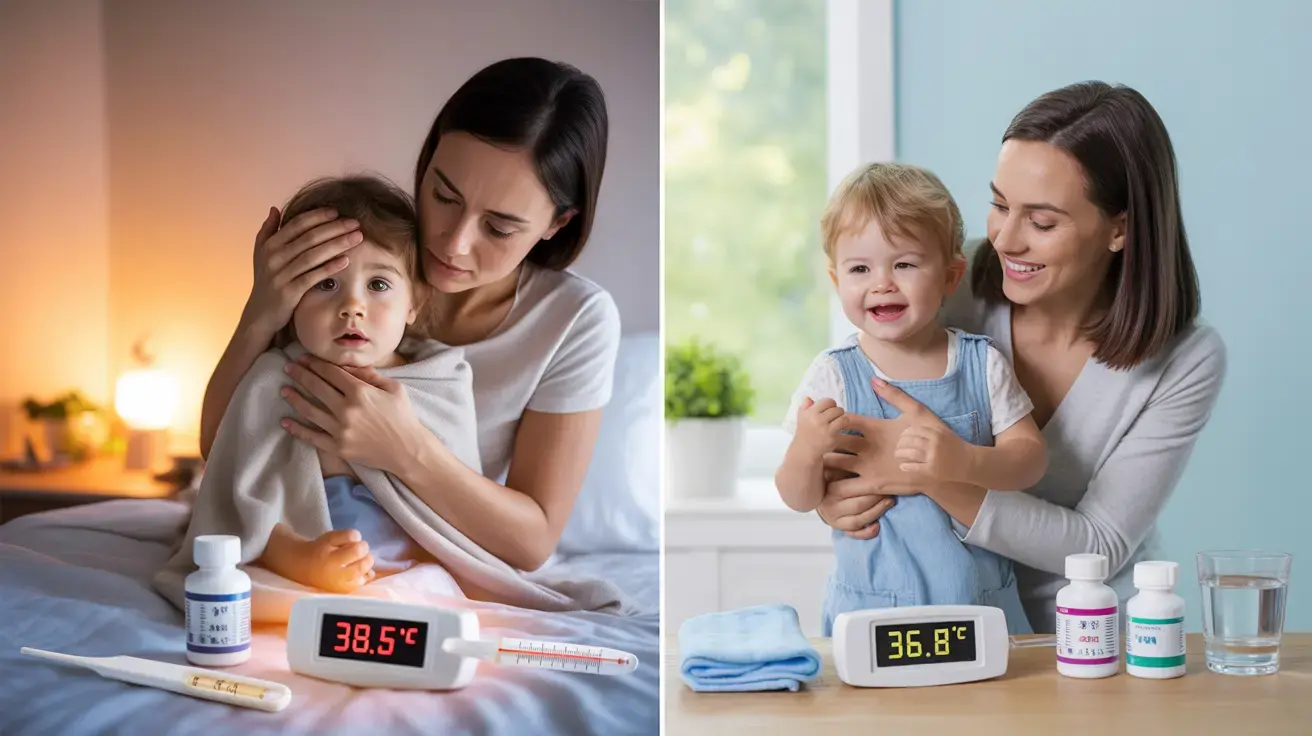
Childhood fever is one of the most concerning situations for parents. Serious risks can arise when temperature is measured incorrectly or medication dosage is miscalculated. This article provides practical information about children, fever, paracetamol, ibuprofen, and thermometer use.
Normal Temperature Ranges in Children
The location of temperature measurement is crucial. Different methods yield different results:
| Measurement Site | Normal Range | Fever Threshold |
|---|---|---|
| Rectal | 36.6-38°C | >38°C |
| Ear | 35.8-38°C | >38°C |
| Axillary | 36.1-38.2°C | >38.2°C |
Ear measurement is suitable for children over 3 months. Rectal method is the most accurate but can be distressing for young children.
Fever Treatment: Medication Dosages
Paracetamol (Panadol, Calpol)
-
Dosage: 10-15 mg/kg (every 4 hours)
-
Maximum: 60 mg/kg per day
-
Forms: Syrup, suppository (rectal), tablet
Ibuprofen (Nurofen, Ibufen)
-
Dosage: 5-10 mg/kg (every 6-8 hours)
-
Maximum: 40 mg/kg per day
-
Forms: Syrup, suppository
Note: Calculate Buster dosage based on child weight! For a 10 kg child, paracetamol dosage is 100-150 mg.
Temperature Measurement Methods
1. Rectal Measurement (0-3 years)
-
Most accurate method
-
Suitable for Neo rectal suppositories
-
Child may become distressed
How to do it: Apply lubricant to thermometer tip and insert 2-3 cm into rectum. Wait 30 seconds.
2. Ear Measurement (3+ months)
-
Fast (1 second)
-
Comfortable for children with ear pain
-
Alternative to rectal suppository
Caution: Inaccurate if ear is dirty or ear drops have been used.
3. Axillary (Underarm) Measurement
-
Easiest method
-
Least accurate
-
Affected by sweat, clothing
Recommendation: Keep armpit pressed for 5 minutes, ensure skin is dry.
First Aid During Fever
When child has fever:
-
Plenty of fluids (milk, water, juice)
-
Cold compress (forehead, neck)
-
Light clothing
-
Room temperature 20-22°C
Avoid:
-
Rubbing with cooked alcohol
-
Antibiotics (for viral fevers)
-
Excessive covering
When to Seek Emergency Medical Help
Seek doctor immediately:
-
Rectal temperature >38°C in infant under 3 months
-
39°C+ lasting 2 hours
-
Convulsions, vomiting, lethargy
-
Pale skin, rash
-
Breathing difficulty
-
Altered consciousness
Thermometer Selection
| Type | Advantages | Disadvantages |
|---|---|---|
| Digital | Accurate, fast | Needs battery |
| Infrared | Ear/forehead | Expensive, error-prone |
| Mercury | Cheap, accurate | Dangerous |
Pharmacy recommendation: Digital thermometer + ear thermometer combination is most practical.
Types of Fever and Infection
Childhood fever has 2 main types:
-
Viral infection (90%): Mild, prolonged (3-5 days)
-
Bacterial infection: High temperature, rapidly worsens
Fever spreads quickly in children with weak immunity. Vitamins and immunity boosters are helpful for prevention.
Advice for Parents
-
Measure temperature daily – early infection detection
-
Keep rectal suppositories and ear drops in home medicine cabinet
-
Know child's weight for dosage calculation
-
Ear pain + fever = possible middle ear infection
Frequently Asked Questions
Conclusion
Childhood fever is not something to fear, as long as temperature is measured correctly, dosage is calculated properly, and infection warning signs are recognized in time. Paracetamol, ibuprofen, and rectal suppositories should be in every home medicine cabinet. Seek immediate medical help for ear pain, convulsions, or prolonged fever.
Pharmacy advice: When purchasing thermometer, paracetamol syrup, and ear drops, get dosage and usage information from the pharmacist!