 EN − AZN

Fatty Liver Disease: Symptoms, Causes, and Natural Treatment Approaches
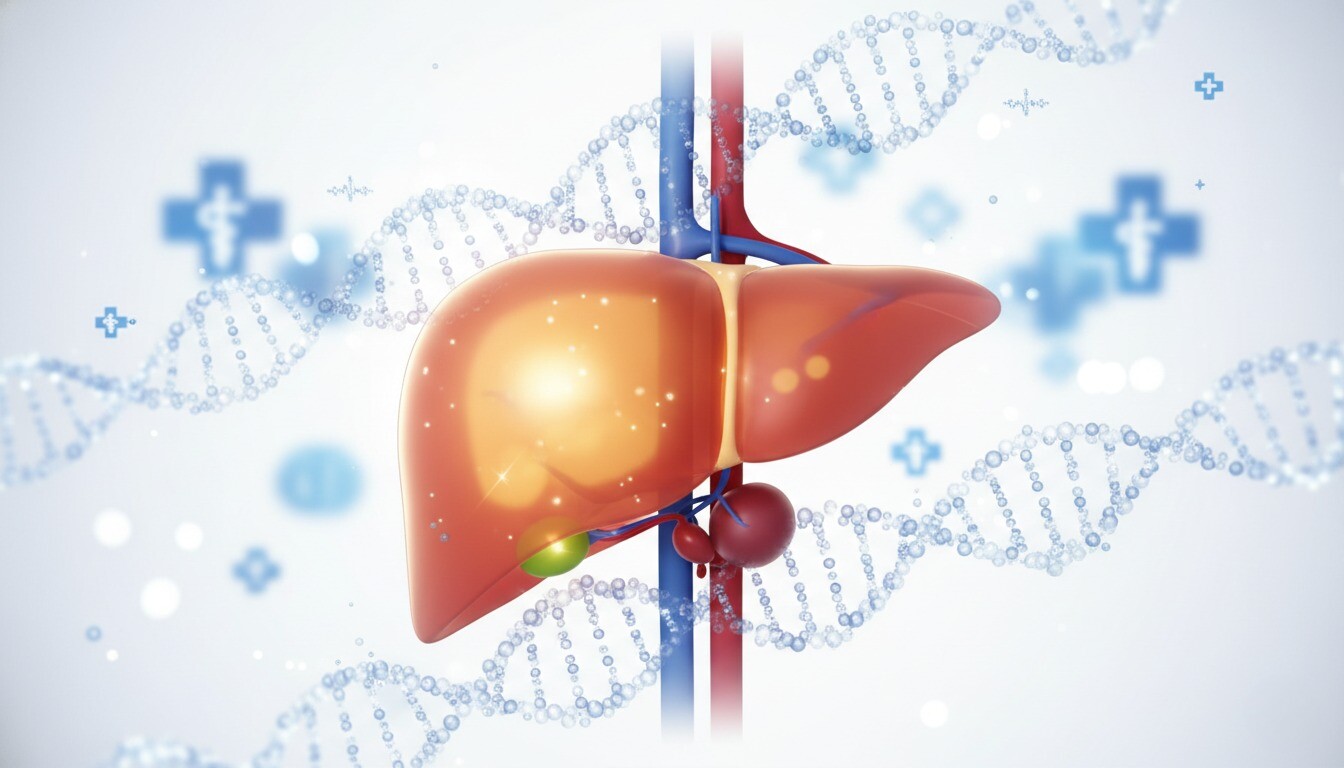
Fatty liver (liver steatosis) is one of those conditions people often ignore until it becomes impossible to overlook. Many assume it's “just a bit of fat on the liver,” but left alone, this thing can snowball into far more serious liver diseases — fibrosis, cirrhosis, and even liver cancer.
So here’s what fatty liver actually is, why it shows up, what symptoms to watch for, and how treatment really works — including natural support methods people always ask about.
What Is the Liver and Where Is It Located?
Quick refresher: the liver is the body’s largest internal organ and the main control center of metabolism.
It handles:
-
Blood filtration
-
Detoxification
-
Hormone and enzyme regulation
-
Processing fats, carbs, and proteins
Where exactly is the liver located?
People Google this a lot: “where is the liver located?” or “which side is the liver on?”
It's mostly on the upper right side of your abdomen, under the rib cage.
If you feel pressure, heaviness, or discomfort there, many assume it’s “liver pain,” though that isn't always true. Only proper liver analysis can confirm what's going on.
What Is Fatty Liver Disease?
Fatty liver disease (or “liver fat accumulation,” “liver steatosis”) happens when too much fat builds up inside liver cells.
When those cells get stuffed with fat, the liver loses efficiency. Over time, this may lead to:
-
Liver enlargement
-
Liver fibrosis
-
Liver hardening
-
Cirrhosis
-
Liver failure
-
And yes—liver cancer
That’s the long, unpleasant chain we’re trying to avoid.
Main Causes of Fatty Liver Disease
1. Diet and excess weight
The big offenders:
-
Fried foods
-
Processed, packaged foods
-
Sugary drinks
-
Lack of physical activity
These don’t just add weight around the waist — they push the liver into fat-storing mode.
2. Alcohol
Even small but frequent amounts can trigger inflammation and fat buildup in the liver.
3. Diabetes and insulin resistance
Type 2 diabetes and metabolic syndrome significantly accelerate fat accumulation in the liver.
4. Medications and hormonal issues
Long-term medication use, hormonal imbalance, genetics — all possible triggers.
Fatty liver never has a single universal cause. It's a messy combination of lifestyle, metabolism, and sometimes pure bad luck in genetics.
Symptoms of Fatty Liver and Other Liver Disorders
Here’s the tricky part: fatty liver often develops silently.
No pain, no dramatic signs. Just slow changes.
Early-stage symptoms:
-
Discomfort or heaviness under the right rib
-
Fatigue
-
Nausea
-
Bloating
Common, vague symptoms — and that’s why many ignore them.
Advanced-stage symptoms:
-
Yellowing of the skin or eyes
-
Severe fatigue
-
Abdominal swelling
-
Leg swelling
-
Easy bruising or bleeding
At this stage, we’re no longer talking about simple fatty liver — these are signs pointing toward fibrosis, cirrhosis, or liver failure.
Liver Analysis and Diagnosis: How Is Fatty Liver Detected?
Symptoms are not enough. Diagnosis requires tests such as:
-
Blood tests (ALT, AST, GGT, bilirubin)
-
Liver ultrasound (USM)
-
Additional tests (elastography, biopsy) if needed
If your pharmacy website has a separate “liver analysis” page, placing an internal link here boosts SEO and user trust.
Treatment: How to Manage Fatty Liver Disease
If an ultrasound or blood test shows fatty liver, don't wait. This isn’t something that disappears magically.
You should see a doctor if:
-
Symptoms persist
-
Blood sugar or cholesterol is high
-
You’re gaining or losing weight unexpectedly
-
Liver pain is increasing
A doctor builds a treatment plan that may include diet changes, activity, and if necessary, liver medications.
Liver Medications and Hepatoprotectors
People constantly search for “liver medications,” especially:
-
Hepatoprotectors
-
Vitamins and minerals
-
Herbal liver supplements
But two reminders:
-
Self-medication is dangerous
-
“Natural” does not equal “safe”
For pharmacy websites, product pages should clearly list usage instructions, dosage, and warnings — without claiming cures.
Natural Support for Fatty Liver: Diet, Lifestyle, and Detox
Lifestyle changes can sometimes reverse early fatty liver more effectively than medication.
Foods that support liver health:
-
Vegetables
-
Greens
-
Lean proteins (like chicken)
-
Whole grains
-
Omega-3 sources
Avoid fried foods, processed sugar, and soda.
What about detox drinks and herbal teas?
Searches for “detox water,” “detox tea,” and “liver tea” are extremely common.
These can:
-
Increase hydration
-
Support digestion
-
Offer mild diuretic effects
But they do not cure fatty liver.
They are simply supportive tools within a healthy routine.
Example of a simple daily meal plan:
(Not medical advice, just a general illustration.)
-
Breakfast: Yogurt + cucumber + greens
-
Snack: One fruit
-
Lunch: Oven-baked chicken + salad
-
Dinner: Vegetable dish + yogurt
Dieticians should tailor this individually.
Frequently Asked Questions
Is fatty liver reversible?
Yes — early stages often reverse completely with lifestyle changes and proper medical guidance.
Does liver pain always mean liver disease?
No. Many organs in that area cause similar pain. Tests are essential.
Is detox enough to cleanse the liver?
No. Detox beverages are not medical treatment.
Can liver medication be taken without a doctor?
Not recommended. Even herbal supplements can stress the liver.