 EN − AZN

Foods and Antioxidants That May Help Reduce Cancer Risk
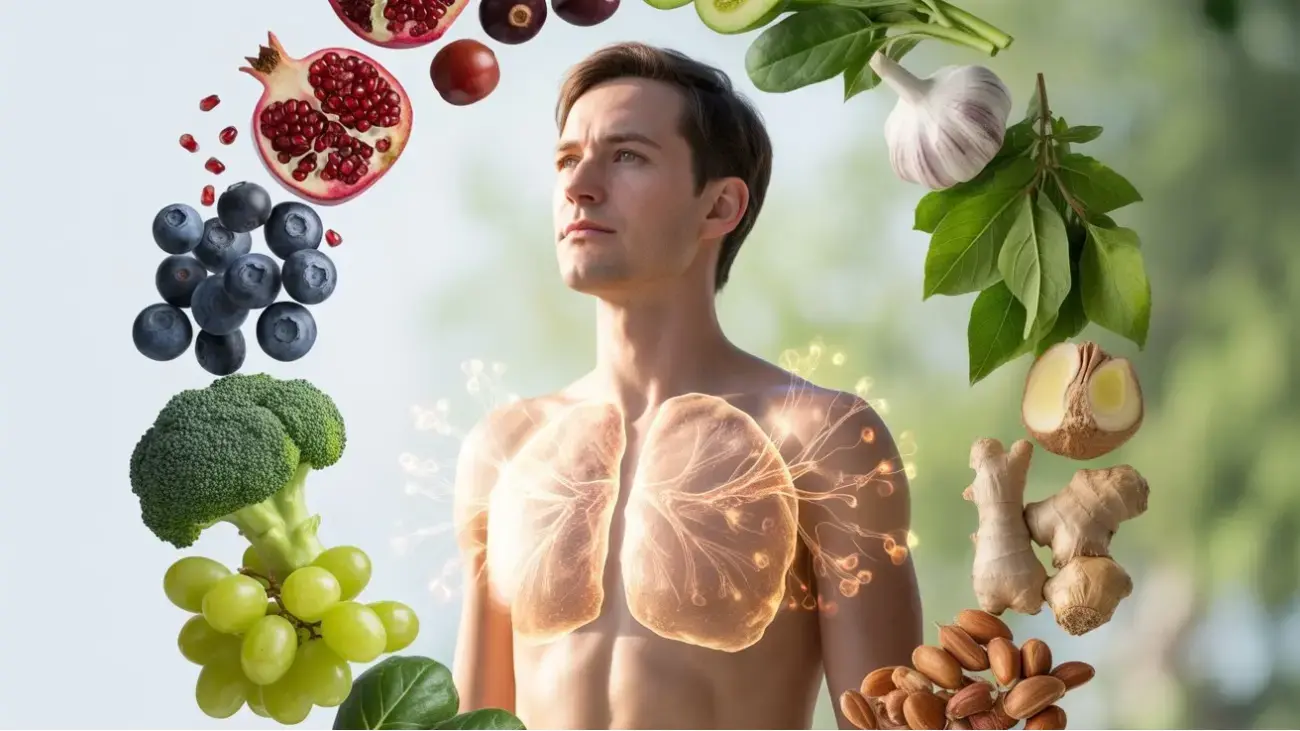
Cancer is one of the most serious health challenges worldwide. Although no single food can completely prevent cancer, scientific research shows that a diet rich in antioxidants and based on healthy eating habits can help reduce cancer risk and support overall immunity.
What Is Cancer and Why Does It Develop?
Cancer develops when abnormal cells grow uncontrollably in the body. Factors such as genetics, environmental exposure, smoking, chronic inflammation, poor nutrition, and a weakened immune system can increase the risk of cancer.
The Role of Antioxidants in Cancer Prevention
Antioxidants help neutralize free radicals—unstable molecules that can damage cells and DNA. When free radical damage accumulates, it may contribute to cancer development. Antioxidants support cellular protection and strengthen the body’s natural defense mechanisms.
Common antioxidants include:
-
Vitamin C
-
Vitamin E
-
Beta-carotene
-
Selenium
-
Polyphenols and flavonoids
Foods Rich in Antioxidants
Including antioxidant-rich foods in your daily diet is one of the most effective nutritional strategies for long-term health.
Fruits and Vegetables
-
Berries (blueberries, strawberries)
-
Citrus fruits
-
Pomegranates
-
Tomatoes
-
Leafy greens (spinach, kale)
Healthy Fats and Seeds
-
Olive oil
-
Nuts and seeds
-
Omega-3 rich foods (fatty fish)
Whole and Natural Foods
-
Legumes
-
Whole grains
-
Green tea
-
Turmeric and ginger
Healthy Nutrition and Immune Support
Healthy eating is directly linked to immune system strength. A strong immune system helps the body recognize and eliminate abnormal cells before they become harmful.
Key principles of healthy nutrition include:
-
Eating fresh and minimally processed foods
-
Limiting sugar and refined carbohydrates
-
Avoiding excessive alcohol consumption
-
Maintaining a balanced intake of vitamins and minerals
Immune-Boosting Foods
Some foods are particularly effective in supporting immune health:
-
Garlic and onions
-
Yogurt and fermented foods
-
Citrus fruits
-
Zinc-rich foods
-
Selenium-containing foods
Can Food Alone Prevent Cancer?
Food is not a cure and cannot guarantee protection from cancer. However, a balanced diet rich in antioxidants, combined with a healthy lifestyle, regular physical activity, and routine medical checkups, can significantly lower overall cancer risk.
Frequently Asked Questions
Can antioxidants cure cancer?
No. Antioxidants do not cure cancer, but they may help reduce risk and support overall health.
Is healthy nutrition important for people with cancer?
Yes. Proper nutrition can support treatment, improve strength, and enhance quality of life.
Should supplements replace food?
Whole foods are always preferred. Supplements should only be used when recommended by a healthcare professional.
Conclusion
A diet rich in antioxidants, combined with healthy nutrition and immune-supporting foods, plays an important role in reducing cancer risk. While no food provides absolute protection, long-term healthy eating habits help support the body’s defenses and overall well-being.