 EN − AZN

Harms of Alcohol: Liver, Brain and Heart Risks
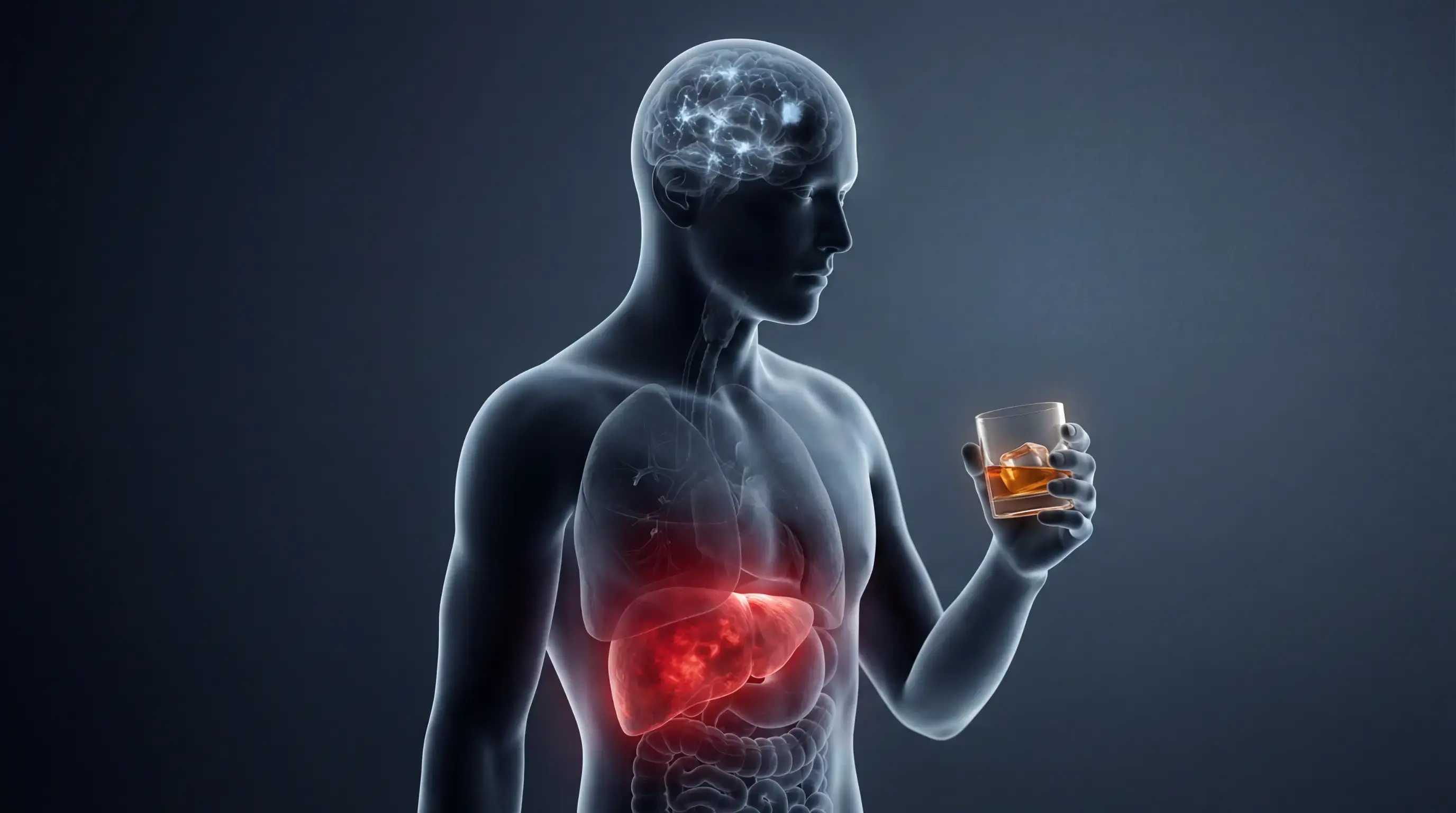
Alcohol is often seen as a normal social habit, but its effects on the body can be serious and long-term. Regular alcohol consumption impacts multiple organs, especially the liver, brain, cardiovascular system, and immune function. In this article, we explain how alcohol affects the body and why it increases the risk of major health problems.
Alcohol and the Liver: Fatty Liver and Cirrhosis Risk
The liver plays a key role in breaking down alcohol. Frequent alcohol intake can lead to:
-
Fatty liver disease
-
Liver enlargement
-
Liver pain
-
Liver cirrhosis
Fatty liver may not cause noticeable symptoms in early stages. However, over time it can lead to fatigue, discomfort in the upper right abdomen, and digestive issues. Liver cirrhosis is a severe and often irreversible condition that can be life-threatening.
The Effects of Alcohol on the Brain
Alcohol directly affects brain cells. In the short term, it can cause:
-
Reduced concentration
-
Memory impairment
-
Slower reaction time
Long-term use may increase the risk of impaired brain circulation, stroke, and cognitive decline. Chronic alcohol consumption may permanently damage neural connections.
Alcohol and Blood Pressure: Heart Attack Risk
Alcohol consumption can temporarily alter blood pressure levels. However, regular drinking may lead to:
-
High blood pressure
-
Increased heart rate
-
Vascular narrowing
Persistent hypertension significantly increases the risk of heart attack and cardiovascular disease.
Alcohol and the Immune System
Alcohol weakens the immune system, making the body more vulnerable to:
-
Viral infections
-
Bacterial infections
-
Seasonal illnesses
When immunity declines, infections may become more severe and recovery time may increase.
Risk of Alcohol Poisoning
Excessive alcohol consumption may lead to poisoning symptoms such as:
-
Nausea
-
Vomiting
-
Dizziness
-
Loss of consciousness
Severe alcohol poisoning requires immediate medical attention.
Can the Body Detox from Alcohol?
Many people try detox methods to “cleanse” the body after alcohol use. However, the most effective approach is reducing or completely stopping alcohol consumption.
The liver has some ability to regenerate, but long-term damage may become irreversible if alcohol use continues.
Conclusion
Alcohol affects not only the liver but also the brain, cardiovascular system, blood pressure, and immune function. Fatty liver, cirrhosis, hypertension, and heart attack risk are all linked to regular alcohol consumption.
Making informed choices and limiting alcohol intake are essential steps toward protecting long-term health.