 EN − AZN

Heart Pain, Palpitations, Artery Blockage & Heart Attack Symptoms
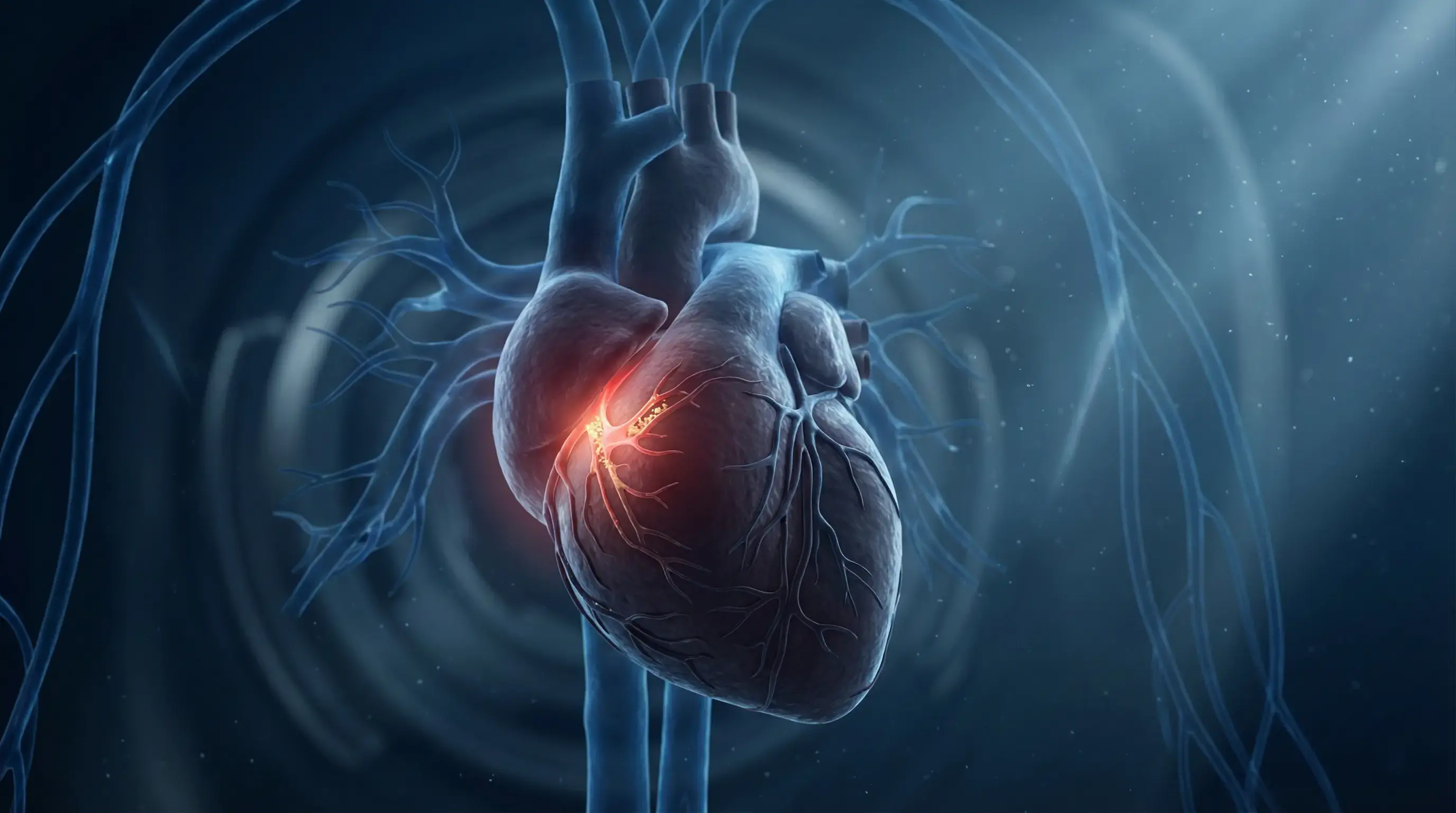
The heart and blood vessel system is one of the most vital mechanisms of the human body. When blood circulation is disrupted, serious conditions such as artery blockage, heart weakness symptoms, and heart attack symptoms may occur. In this article, we will discuss topics such as heart pain, heart palpitations, normal heart rate, heart artery blockage symptoms, what is a heart attack, what is triglyceride, and what is LDL.
Heart Palpitations and Normal Heart Rate
The normal heart rate in adults ranges between 60–100 beats per minute at rest. In children, heart palpitations may naturally be higher.
What to Do If Heart Palpitations Are High?
If heart palpitations are high:
-
Stay calm
-
Take deep breaths
-
Reduce caffeine intake
-
Check your blood pressure
Causes of high heart palpitations may include:
-
Stress
-
Anemia
-
Increased heart rate during pregnancy
-
Symptoms of heart neurosis
How Does Heart Pain Feel?
Heart pain is usually felt as a pressure or tightness in the center of the chest. It may spread to the left arm, neck, or back.
Possible causes of heart stabbing pain:
-
Nervous tension
-
Muscle pain
-
Artery blockage
-
Myocardial infarction
What Is a Heart Attack and What Are the Symptoms?
What is a heart attack?
A heart attack occurs when blood flow to the heart muscle is blocked.
Heart attack symptoms include:
-
Severe heart pain
-
Nausea
-
Vomiting
-
Sweating
-
Shortness of breath
Mild heart attack cases can also occur, where symptoms may be less intense but still dangerous.
Artery Blockage and Signs of Vascular Obstruction
Artery blockage happens when blood flow is reduced or stopped.
Heart artery blockage symptoms:
-
Chest pain
-
Fatigue
-
Leg artery pain
-
Visible veins in the legs
Leg artery blockage may indicate peripheral vascular disease.
What Is Triglyceride and What Is LDL?
What is LDL?
LDL is known as “bad cholesterol.” It accumulates in arterial walls and increases the risk of artery blockage.
What is triglyceride?
Triglycerides are fats found in the blood. High levels increase the risk of cardiovascular diseases.
Symptoms of Heart Weakness
-
Easy fatigue
-
Swelling in the legs
-
Shortness of breath
-
Increased heart palpitations
Heart Changes During Pregnancy
During pregnancy:
-
The mother’s heart rate may increase
-
Nausea may occur
-
Blood circulation changes
If heart palpitations or chest pain persist, medical consultation is necessary.
Open Heart Surgery
Open heart surgery is performed in cases of severe artery blockage.
How long does open heart surgery take? It usually lasts between 3–6 hours.
Ways to Protect Against Cardiovascular Diseases
-
Diet meals
-
Daily balanced diet
-
Improving blood circulation
-
Regular physical activity
-
Avoiding smoking
Frequently Asked Questions
What is a normal heart rate?
A normal resting heart rate ranges between 60–100 beats per minute.
What if heart palpitations are high?
If they occur frequently or are accompanied by dizziness, consult a heart doctor.
How does heart pain feel?
It is usually a pressure-like pain in the center of the chest that may spread to the left arm.
What is a heart attack?
It is a condition where blood supply to the heart muscle is blocked.
Is there a natural treatment for artery blockage?
Lifestyle changes, healthy diet, and physical activity may help reduce risk.
What is triglyceride?
It is the level of fat present in the blood.
Conclusion
Heart health is essential for overall well-being. Symptoms such as heart pain, heart palpitations, artery blockage, and heart attack signs should never be ignored. Regular blood tests, monitoring LDL and triglyceride levels, maintaining a healthy diet, and staying physically active are the key steps to protecting cardiovascular health.