 EN − AZN

High Blood Pressure & Hypertension: Medications & First Aid
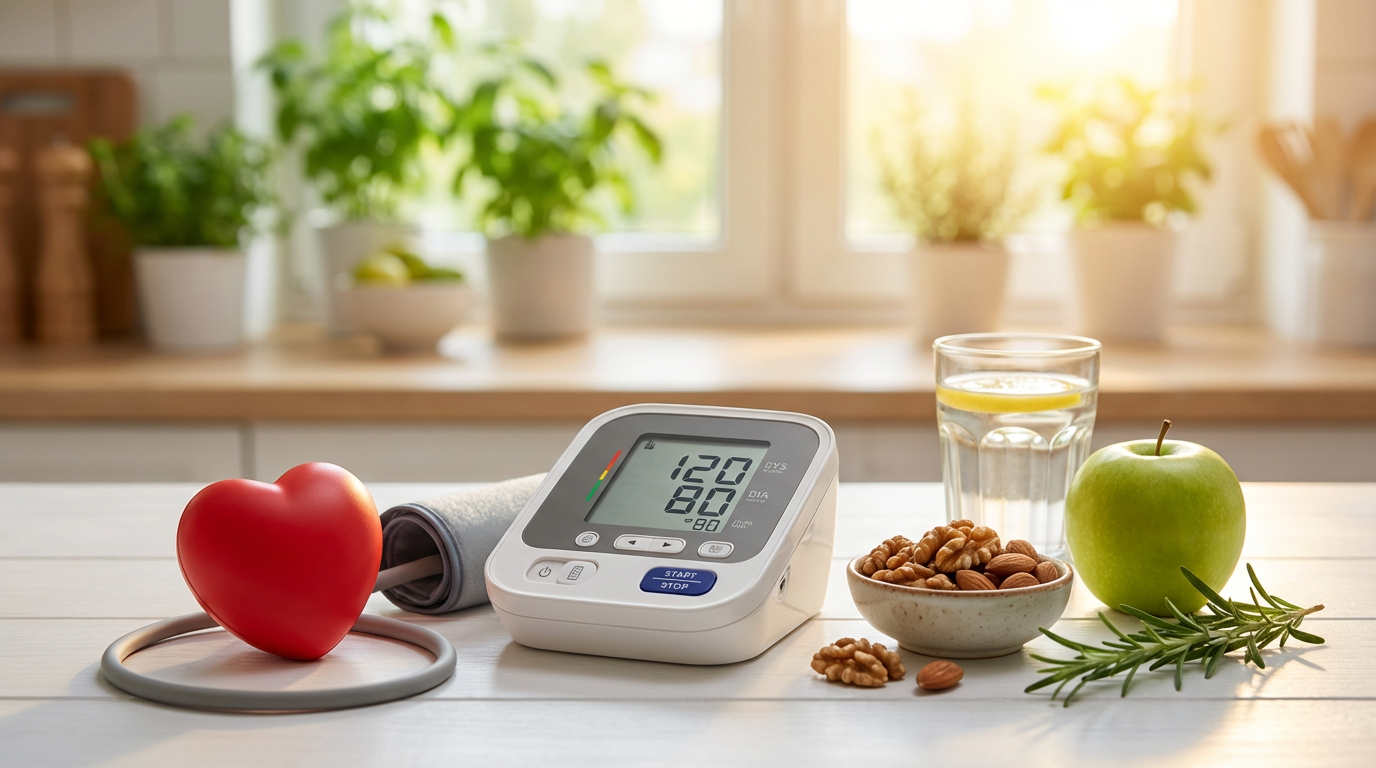
Hypertension is a condition where blood pressure remains consistently higher than normal. It is one of the most widespread chronic diseases worldwide. In Azerbaijan, 1 out of 3 people over the age of 40 faces blood pressure issues. Knowing first aid rules during high blood pressure can save lives. In this article, we подробно explain symptoms, medications, first aid, and prevention methods.
What Is Hypertension — Causes and Risk Factors
Hypertension is a disease where the pressure exerted on blood vessel walls is constantly elevated. Normal blood pressure is considered 120/80 mmHg.
What is normal blood pressure?
• The upper (systolic) value should be below 120
• The lower (diastolic) value should be below 80
If blood pressure is 140/90 or higher, hypertension is diagnosed.
Blood pressure norms may vary by age — as people get older, blood vessels lose elasticity, and pressure may increase slightly. However, even after age 60, values above 140/90 are not considered normal and require treatment.
Main risk factors:
• Genetics
• Excess weight
• Physical inactivity
• High salt intake
• Stress
• Smoking and alcohol
• Diabetes
• Kidney diseases
Symptoms of High Blood Pressure
High blood pressure often has no visible symptoms — that’s why it is called the “silent killer.”
However, in some cases, symptoms may include:
• Severe headache (especially in the back of the head)
• Dizziness
• Blurred or darkened vision
• Nosebleeds
• Chest pain
• Shortness of breath
• Ringing in the ears
• Increased heart rate
Increased heart rate can also be a sign of high blood pressure.
What to do if your heart rate is high:
• Sit calmly
• Take deep breaths
• Measure your blood pressure
Normal resting heart rate: 60–100 beats per minute.
Causes of increased heart rate:
• Stress
• Caffeine
• Anemia
• Hypertension
• Thyroid problems
Low Blood Pressure — Symptoms and Treatment
Symptoms of low blood pressure (hypotension):
• Dizziness
• Weakness
• Fatigue
• Blurred vision
• Fainting sensation
• Cold sweat
Blood pressure below 90/60 is considered hypotension.
What to do if blood pressure is low:
• Drink water
• Eat something slightly salty
• Lie down with legs elevated
• Consume caffeine
If symptoms persist or fainting occurs — seek medical help immediately.
Medications that raise blood pressure:
• Caffeine-based drugs
• Fludrocortisone
• Midodrine
(Only with doctor’s prescription)
Foods that help normalize pressure:
• Grapes
• Pomegranate
• Lemon
• Orange
• Banana
First Aid for High Blood Pressure
Knowing first aid rules is essential.
What to do:
• Sit calmly or stay in a semi-sitting position (do not lie down)
• Breathe slowly and deeply
• Loosen tight clothing
• Ensure fresh air
• Take prescribed medication
If blood pressure is above 180/120 and accompanied by:
• Chest pain
• Shortness of breath
• Vision problems
• Speech issues
• Weakness on one side
→ Call emergency services immediately (possible hypertensive crisis or stroke)
Blood Pressure Medications — Captopril, Amlodipine, Enalapril
Medication should always be prescribed individually by a doctor.
Common types:
• ACE inhibitors
• Calcium channel blockers
• Diuretics
Captopril — Emergency Blood Pressure Medication
• ACE inhibitor
• Taken under the tongue (25 mg)
• Works within 15–20 minutes
• Used in emergencies (above 180/120)
Amlodipine — Daily Blood Pressure Control
• Calcium channel blocker
• Used for long-term treatment
• Available in 5 mg and 10 mg
• Taken once daily
• Works for 24 hours
Side effects:
• Swelling in ankles
• Headache
• Facial flushing
Enalapril — Heart and Blood Pressure Medication
• ACE inhibitor
• Used for hypertension and heart failure
• Typical dose: 10 mg
• Taken 1–2 times daily
Common side effect: dry cough
Heart Health and Hypertension
High blood pressure is one of the biggest risks for the heart.
Untreated hypertension can lead to:
• Heart failure
• Shortness of breath
• Fatigue
• Swelling
• Night cough
Heart pain symptoms:
• Pressure or burning in chest
• Pain radiating to left arm, jaw, or back
Seek medical help immediately if symptoms occur.
Signs of blocked heart vessels:
• Severe chest pain
• Shortness of breath
• Cold sweat
• Nausea
• Fainting
Heart neurosis (stress-related symptoms):
• Rapid heartbeat
• Chest discomfort
• Shortness of breath
Not dangerous, but requires evaluation.
Stroke — The Most Dangerous Complication
Stroke is a disruption of blood supply to the brain.
Types:
• Ischemic (blockage)
• Hemorrhagic (rupture)
Symptoms:
• Facial asymmetry
• Weakness on one side
• Speech problems
• Vision issues
• Severe headache
• Loss of balance
The first 3 hours are the “golden window.”
Treatment:
• Thrombolytic therapy
• Anticoagulants
• Rehabilitation
Prevention: control your blood pressure.
Blood Pressure Monitor (Tonometer)
A tonometer is essential for home monitoring.
Recommended:
• Automatic (electronic) upper-arm monitor
How to measure correctly:
• Avoid caffeine/smoking 30 minutes before
• Sit calmly for 5 minutes
• Keep arm at heart level
• Do not talk
Measure twice daily: morning and evening.
Apps can track results but cannot replace a real device.
Blood Pressure–Lowering Foods and Lifestyle
Key factors in treatment:
Foods rich in potassium:
• Banana
• Avocado
• Spinach
• Potatoes
• Beans
Lifestyle:
• Limit salt (under 5g/day)
• Exercise (30 min walking daily)
• Maintain healthy weight
• Manage stress
Smoking and alcohol increase blood pressure — quitting is critical.
DASH diet can reduce pressure by 8–14 mmHg.
Nausea and Blood Pressure
Causes of nausea:
• Digestive issues
• Pregnancy
• Stress
• High blood pressure
What to do:
• Get fresh air
• Wash face with cool water
• Drink ginger tea
Medications:
• Metoclopramide
• Domperidone (only with doctor advice)
If nausea occurs with high blood pressure → serious symptom.
Frequently Asked Questions
What is normal blood pressure?
120/80 mmHg. Above 140/90 is hypertension.
What to do if blood pressure is high?
Sit calmly, breathe deeply, take prescribed medication.
Which is better: captopril, amlodipine, or enalapril?
• Captopril — emergency
• Amlodipine — daily control
• Enalapril — heart + pressure
Stroke symptoms?
Facial asymmetry, weakness, speech problems — call emergency immediately.
What foods lower blood pressure?
Banana, avocado, spinach, potatoes, beans, garlic, pomegranate.
What to do if heart rate is high?
Sit, breathe, measure pressure. Over 100 bpm + symptoms → doctor.
What to do if pressure is low?
Drink water, eat salt, elevate legs, consume caffeine.
Which tonometer to choose?
Automatic upper-arm device.
Conclusion
Hypertension is a serious condition, but it can be managed with proper treatment and lifestyle.
Key steps:
• Know first aid rules
• Monitor pressure regularly
• Take prescribed medication
Healthy habits:
• Low salt
• Physical activity
• Proper diet
• No smoking
• Regular doctor visits
Do not ignore your blood pressure — your health is in your hands.