English
Azərbaycan
Русский
49 ₼-dən pulsuz çatdırılma
Sifarişimi izlə
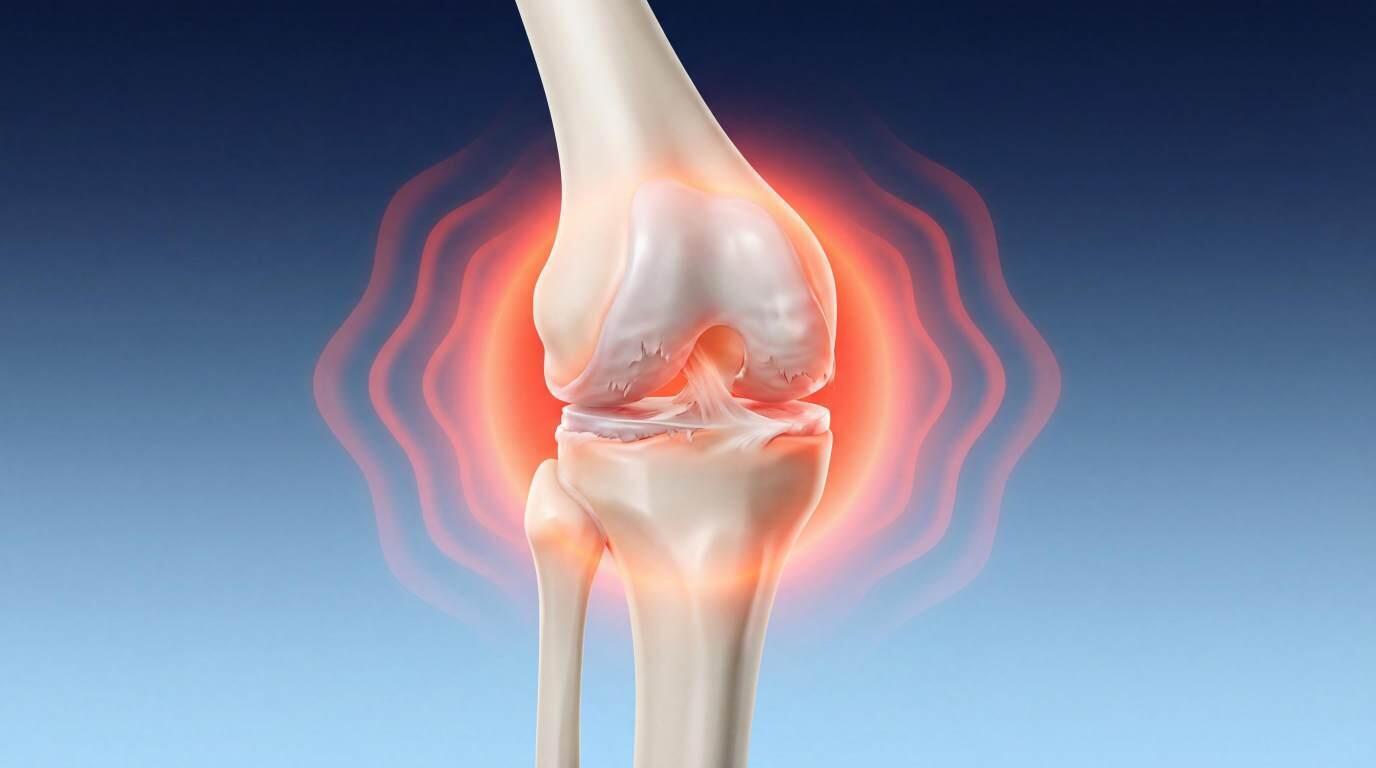
Joint pain is one of the most common health complaints among people over the age of 50. Especially during seasonal changes in spring and autumn, conditions such as arthritis, osteoarthritis, rheumatism, and osteochondrosis tend to worsen.
In this article, we explain in detail the causes, symptoms, treatment options, and prevention methods for joint diseases.
Arthritis is inflammation of the joints, characterized by pain, swelling, redness, and limited movement. More than 300 million people worldwide suffer from arthritis, and it becomes more common after the age of 50.
In simple terms, arthritis is joint inflammation.
Inflammation itself is the body’s natural response to repair damaged tissues.
The most common type is rheumatoid arthritis, an autoimmune disease in which the immune system mistakenly attacks joint tissues.
Treatment for rheumatoid arthritis typically includes:
Anti-inflammatory medications
Physical therapy
In some cases, surgery
Early diagnosis and treatment are crucial to prevent joint damage.
Osteoarthritis is the degeneration and breakdown of joint cartilage. Unlike arthritis, it is primarily caused by mechanical wear and tear rather than inflammation.
Nearly half of people over 50 experience some degree of osteoarthritis.
In simple terms: cartilage wears down, and bones begin to rub against each other.
Treatment options include:
Pain relievers and anti-inflammatory drugs
Physical therapy
Supplements such as glucosamine and chondroitin
Glucosamine and chondroitin are key components of cartilage and may support its regeneration.
Rheumatism refers to inflammatory conditions that can affect joints, the heart, and other organs.
Common symptoms include:
Joint pain
Swelling
Redness
Pain that moves from one joint to another
This migrating pain is a typical sign of rheumatism.
Diagnosis includes blood tests such as:
CRP
ESR
ASO
Treatment involves:
Anti-inflammatory medications
Antibiotics (in some cases)
Physical therapy
Medications should always be prescribed and monitored by a doctor.
Choosing the right treatment depends on the cause of the pain.
For inflammatory conditions, nonsteroidal anti-inflammatory drugs (NSAIDs) are commonly used:
Ibuprofen
Diclofenac
Naproxen
Topical treatments (ointments and gels) are also widely used:
Diclofenac gel
Ketoprofen gel
Menthol-based creams
Apply 2–3 times daily with gentle massage.
Treatment depends on the underlying cause.
Common symptoms:
Pain when climbing or descending stairs
Pain after prolonged sitting
Effective approaches:
Topical NSAID gels (diclofenac, ketoprofen)
Physical therapy
Physical therapy plays a key role in improving mobility and reducing pain. When applied correctly, it has minimal risk.
Osteochondrosis is the degeneration of spinal discs.
Symptoms include:
Neck, back, and shoulder pain
Headaches
Numbness in arms and legs
Limited movement
Treatment includes:
Medication
Physical therapy
Regular exercise
For neck osteochondrosis, special exercises, massage, and proper pillow support are important.
Natural support methods:
Swimming
Yoga
Proper posture
Anti-inflammatory foods (ginger, turmeric, omega-3)
However, natural remedies do not replace medical treatment.
Gout occurs when uric acid levels in the blood increase, leading to crystal deposits in the joints.
Treatment includes:
Anti-inflammatory medications
Uric acid-lowering drugs
Special dietary adjustments
Topical treatments may help relieve pain temporarily.
Osteoporosis is a condition where bones lose density and become fragile.
It is especially common in women after menopause.
In simple terms: bones become porous and can break easily even with minor trauma.
Prevention includes:
Calcium intake
Vitamin D supplementation
Calcium + Vitamin D3 supplements are commonly recommended.
Symptoms of calcium deficiency:
Muscle cramps
Brittle nails
Dental issues
Bone pain
Calcium-rich foods include:
Milk
Cheese
Yogurt
Broccoli
Almonds
Sesame
If dietary intake is insufficient, supplements may be recommended.
Collagen is a key protein in cartilage, skin, and connective tissue.
Sources of collagen:
Bone broth
Gelatin
Fish skin
Collagen supplements
These help support joint health.
Physiotherapy uses physical methods to reduce pain and restore mobility.
It is one of the most important components in treating joint conditions.
Benefits:
Reduces pain
Improves mobility
Supports recovery
Physiotherapy can be done:
At specialized centers (more effective)
At home using certain devices
When performed correctly, it is safe. Some procedures are противопоказаны in cases like cancer or active infections.
What is the difference between arthritis and osteoarthritis?
Arthritis is joint inflammation, while osteoarthritis is cartilage degeneration.
Which ointments are best for joint pain?
Diclofenac, ketoprofen, ibuprofen-based gels, and menthol creams.
What are the symptoms of calcium deficiency?
Muscle cramps, brittle nails, dental problems, frequent fractures.
What is glucosamine and chondroitin?
They are key components of cartilage and are recommended for joint support.
What tests are used for rheumatism?
CRP, ESR, ASO, and rheumatoid factor.
Can osteochondrosis be treated naturally?
Partially — with exercise, posture, and diet, but medical advice is still necessary.
Is physiotherapy safe?
Yes, when applied correctly. Some conditions may require caution.
Joint pain significantly affects quality of life, especially in older adults. Conditions like arthritis, osteoarthritis, rheumatism, osteochondrosis, and gout can be effectively managed with timely diagnosis and proper treatment.
Do not ignore persistent pain — consult a doctor.
Four key steps to maintain joint health:
Regular physical activity
Proper nutrition
Adequate calcium and collagen intake
Appropriate medical treatment and physiotherapy
Healthy joints mean a healthier life.
 Powered by
T-SOFT
E-Commerce
Powered by
T-SOFT
E-Commerce