 EN − AZN

Foods to Increase Protein
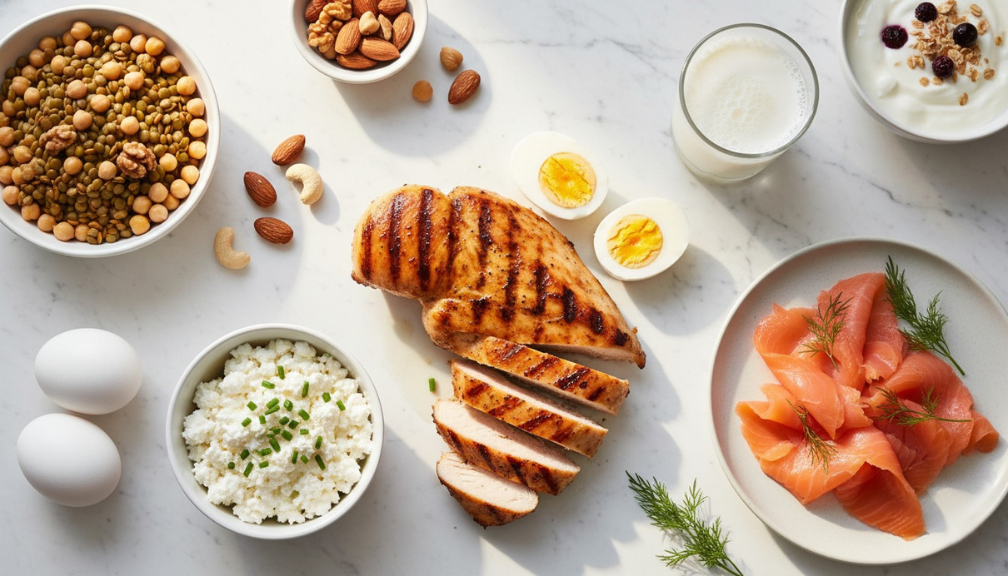
Let’s be honest for a second. You wake up one day thinking, “Why am I this tired?” Then you remember you barely ate anything normal yesterday. A bit of tea, a bite of bread, maybe some random snack on the way. Of course you have no energy. Protein: zero.
And maybe I overthink it, but it feels like people hear the word “protein” and immediately imagine a gym, dumbbells, muscles, some shredded guy yelling “bro.”
But the body literally needs protein just to exist. Always. Every day.
Anyway. Let’s move on to the actual foods.
Why Protein Matters and Why Everyone Talks About It
Sure, it’s needed for muscle building.
But that’s not the whole story.
Protein also:
• keeps you full
• strengthens hair and nails
• activates your immune system
• speeds up your metabolism a bit
• and… honestly… makes you feel better
To be honest, last week around 2 AM I was fixing some graphic work — energy zero, eyelids half closed — suddenly I realized I hadn’t eaten anything protein-rich all day. I fried two eggs, and I swear my brain woke up in ten minutes. That’s more than enough proof for me.
The Highest-Protein Foods
Let me warn you — this part will be a bit chaotic. My brain doesn’t do “perfect, structured lists.”
1. Chicken breast
Not my favorite, but let’s admit it — when someone says “increase protein,” this is the first thing that comes to mind.
22–24 g of protein per 100 g.
Neutral taste — grill it, boil it, oven it, whatever you want.
2. Eggs
Morning, noon, evening — doesn’t matter.
One egg has around 6 g of protein and gives the brain some strange sense of comfort.
3. Cottage cheese
Many people dislike it, but it works like a miracle.
18 g of protein per 100 g.
Filling, slow-digesting, calming.
4. Beef
When cooked properly, it’s nearly perfect.
26 g of protein per 100 g.
A little expensive, but worth it.
5. Salmon (for those who eat it)
Omega-3 + protein.
Has a little “luxury” vibe to it. Around 20 g of protein.
6. Legumes (lentils, chickpeas…)
Ideal for plant-protein lovers.
High fiber + solid protein + long-lasting fullness.
Creates some gas… but that’s life.
7. Nuts
Great as a “healthy snack.”
High-calorie but also high-protein: 12–16 g per 100 g.
How Much Protein Do You Need Per Day?
People always get confused here because it’s not the same for everyone.
• If you don’t exercise: 1–1.2 g protein / per kg of body weight
• Light training: 1.4–1.6 g
• Muscle-building goal: 1.8–2.2 g
For example:
A person weighing 70 kg should eat around 100–140 g of protein per day.
That’s it. Not complicated.
A Simple Daily Menu to Increase Protein
Come here — this is the most practical part.
Breakfast
• 2 eggs
• 1 slice of cheese
• 1 glass of kefir
Total: approx. 25–28 g protein
Lunch
• Chicken breast + rice + vegetables
30–35 g protein
Snack
• Greek yogurt or cottage cheese
15–20 g
Dinner
• Lentil soup or a serving of beef
25–30 g
Daily total: 95–120 g
Perfect for someone who exercises; excellent for someone who doesn’t.
Frequently Asked Questions
Can you consume too much protein?
Yes, but only excessive amounts stress the kidneys. Normal balance is safest.
Is plant protein as effective as animal protein?
Sometimes yes, sometimes not exactly. Combining them is best.
Does eating protein at night cause weight gain?
No. The problem is excess calories — not protein.
Do you really need protein powder?
No. But it’s super convenient.
Conclusion
One evening I skipped dinner. Thought, “It’s fine.”
Then at 11 PM I was starving, standing in front of the fridge wondering why I felt so weak. The next morning my muscles were sore. The reason was simple — my protein intake that day was basically zero.
The body feels it.
Energy feels it.
Weakness shows it.
Increasing protein is much easier than it seems. You just need the right foods — and a bit of consistency.