 EN − AZN

Living by the Body Clock: Why Do We Disrupt It?
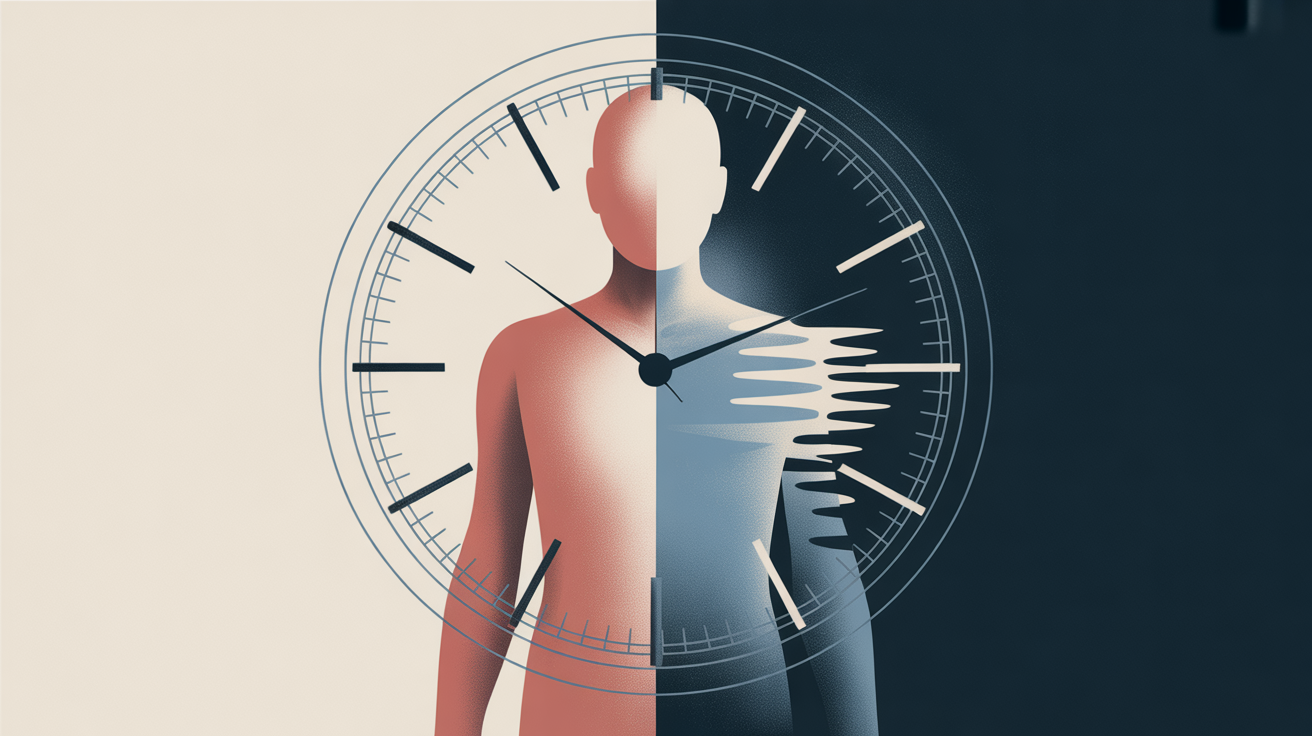
The human body is not a system that functions randomly. Every day, there are processes that activate, slow down, and regenerate at specific times. This mechanism is known as the body clock. However, modern lifestyles frequently disrupt this natural rhythm, leading to fatigue, lack of focus, low energy, and general discomfort.
Many people live against their body clock without even realizing it.
What Is the Body Clock?
The body clock is an internal biological mechanism that regulates how the body functions over a 24-hour cycle. This system controls:
-
sleep and wake times
-
hormone secretion
-
energy levels
-
attention and performance
This rhythm is directly influenced by daylight, darkness, eating habits, and physical activity.
How Does the Body Clock Function Throughout the Day?
Morning Hours – Activation Phase
In the morning, the body prepares to wake up and become active. Attention, reflexes, and mental clarity are usually at their peak.
Midday – Stable Energy Phase
During the middle of the day, the body reaches a relatively balanced state. This period is suitable for work, learning, and physical activity.
Evening – Slowing Down Phase
In the evening, the body gradually begins to slow down. Energy levels decrease, and the body prepares for rest.
Night – Recovery Phase
Nighttime is the most critical period for the body. Cellular repair, nervous system recovery, and overall regeneration take place during this phase.
Why Do We Disrupt the Body Clock?
The main reasons for body clock disruption are related to daily habits.
Irregular Sleep Patterns
Going to bed and waking up at different times each day confuses the body.
Late-Night Screen Exposure
Light emitted from phones, computers, and televisions delays the body’s natural “nighttime” signals.
Late Eating
Heavy meals late in the evening force the body to remain active instead of resting.
Lack of Physical Activity
Insufficient movement during the day weakens the body’s natural rhythm.
What Happens When the Body Clock Is Disrupted?
When the body clock is disrupted, the body signals this in various ways:
-
difficulty waking up in the morning
-
rapid fatigue during the day
-
problems with concentration and memory
-
irritability and reduced motivation
-
unexplained tiredness in the evening
These symptoms are often attributed to stress or general tiredness, but the underlying cause may be a disrupted biological rhythm.
How Can You Live in Harmony with Your Body Clock?
Create a Consistent Routine
Going to bed and waking up at the same time every day is the strongest signal for the body.
Wind Down in the Evening
Reducing screen time and choosing calm activities before bedtime is beneficial.
Use Natural Daylight
Exposure to natural light in the morning helps regulate the body clock.
Pay Attention to Meal Timing
Keeping evening meals light and earlier supports the body’s recovery process.
Frequently Asked Questions
Is the body clock the same for everyone?
No. While the general mechanism is similar, individual differences exist.
Is body clock disruption a serious issue?
Long-term disruption can reduce overall quality of life.
Does staying up late on weekends disrupt the body clock?
Yes. Sudden schedule changes can disturb the rhythm.
Is it possible to restore the body clock?
Yes. With consistent habits, it can gradually be restored.
Conclusion
The body clock is an invisible but vital mechanism of the human body. Living in harmony with this rhythm leads to more stable energy, clearer thinking, and better overall health.
Disrupting the body clock is easy, but protecting it requires conscious choices. Small adjustments in daily habits can restore the body’s natural balance.
When you listen to your body, it responds with better health and well-being.