 EN − AZN

Metabolic Syndrome & Diabetes: Symptoms, Treatment
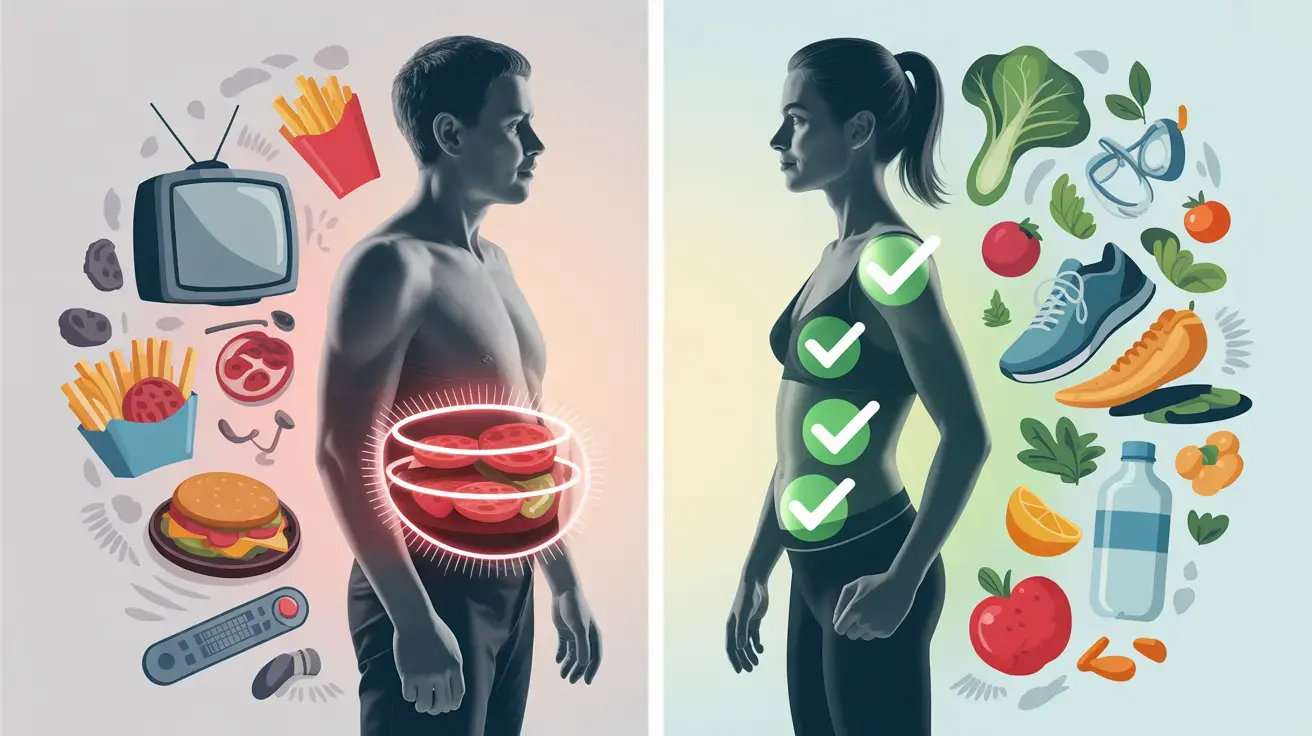
If you consume fast food, sit a lot, and have little physical activity, you are at risk for diabetes and metabolic syndrome. Metabolic syndrome is one of the signs of diabetes and a major risk factor for cardiovascular problems.
What is Metabolic Syndrome?
Metabolic syndrome is not a separate disease, but a cluster of metabolic disorders that increase the risk of diabetes, cardiovascular diseases, and other health problems. This condition is based on insulin resistance and causes a number of important changes in the body.
Obesity, especially fat accumulation in the abdominal area, is the main indicator of metabolic syndrome. During insulin resistance, body cells do not respond properly to insulin, which leads to elevated blood sugar, resulting in the development of diabetes.
The Link Between Diabetes and Metabolic Syndrome
People with metabolic syndrome have a 9-30 times higher risk of developing type 2 diabetes. During insulin resistance, the pancreas must produce more insulin, and over time this organ becomes exhausted, resulting in diabetes.
Symptoms of Diabetes in Metabolic Syndrome
Symptoms of diabetes gradually appear in the context of metabolic syndrome:
-
Excessive thirst
-
Frequent urination, especially at night
-
Unexplained fatigue and weakness
-
Blurred vision
-
Slow healing of wounds and cuts
-
Persistent tingling in hands and feet
-
Weight loss or conversely weight gain
Diagnosis of Metabolic Syndrome
The diagnostic criteria for metabolic syndrome with high diabetes risk are as follows:
Metabolic syndrome is diagnosed when 3 out of 5 criteria are present:
-
Waist circumference: >102 cm in men, >88 cm in women
-
Fasting blood sugar: >100 mg/dl (one of the signs of diabetes)
-
Blood pressure: Higher than 130/85 mmHg
-
HDL cholesterol: <40 mg/dl in men, <50 mg/dl in women
-
Triglycerides: >150 mg/dl
Insulin Resistance: The Foundation of Metabolic Syndrome
Insulin resistance is the central mechanism of metabolic syndrome. In this condition, body tissues do not respond normally to insulin and it becomes difficult to regulate blood sugar.
Causes of insulin resistance:
-
Excess fat tissue in the abdominal area
-
Lack of physical activity and sedentary lifestyle
-
Genetic predisposition
-
Increased age (40+ years)
-
Chronic stress and sleep deprivation
Risk Factors and Causes
Main factors causing diabetes and metabolic syndrome:
-
Sedentary lifestyle: Lack of physical activity increases insulin resistance
-
Unhealthy diet: Fast food, sugar and carbohydrate-rich foods
-
Overweight and obesity: Especially abdominal type obesity
-
Family history: Diabetes and metabolic syndrome are genetically inherited
-
Age: Risk increases after age 40
Treatment and Prevention
Prevention of Diabetes
Proper management of metabolic syndrome prevents the symptoms of diabetes. Research shows that a 7% reduction in weight reduces the risk of type 2 diabetes by 50%.
Nutritional Recommendations
Diet that reduces diabetes risk:
-
Say "no" to refined sugar and fast carbohydrates
-
Prefer whole grain products, vegetables and fruits
-
Portion control and 3 main meals + 2 snacks per day regime
-
Increase water intake (8-10 glasses per day)
-
Omega-3 rich foods (fish, walnuts) increase insulin sensitivity
Physical Activity
Regular exercise reduces insulin resistance and prevents diabetes:
-
Daily 30 minutes of brisk walking or aerobic exercises
-
5 days a week regular exercise program
-
Strength training increases muscle mass and improves glucose utilization
-
Using stairs, walking short distances
Weight Management
Weight loss plays a critical role in treating metabolic syndrome and diabetes. Aim for healthy and sustainable weight loss of 1-2 kg per week.
Warning: Extreme diets with rapid weight loss (keto, paleo) do not provide long-term results and can worsen insulin resistance.
Drug Therapy
When lifestyle changes are not sufficient, drug therapy is prescribed by a physician:
-
Metformin: Reduces insulin resistance, used in diabetes prevention
-
Statin group drugs: Regulates cholesterol levels
-
Antihypertensive drugs: Keeps blood pressure under control
Regular Check-ups and Monitoring
To reduce the risk of diabetes and metabolic syndrome, conduct regular medical examinations:
-
Fasting blood sugar: At least once a year (every 6 months for risk groups)
-
HbA1c test: Average blood sugar indicator for the last 3 months
-
Lipid profile: Cholesterol and triglyceride check
-
Blood pressure monitoring: Regular home measurement
-
Waist circumference and weight: Monthly monitoring
Frequently Asked Questions
Is metabolic syndrome treatable?
Yes, metabolic syndrome is a manageable condition. With lifestyle changes (healthy eating, physical activity, weight management), all components of metabolic syndrome can be improved and the risk of diabetes can be significantly reduced.
Does everyone with metabolic syndrome get diabetes?
No, but the risk is very high. People with metabolic syndrome have a 9-30 times higher chance of developing diabetes. With early intervention and lifestyle changes, this risk can be minimized.
How long should it take to lose weight?
Healthy and sustainable weight loss should be 1-2 kg per week. A 7-10% reduction in body weight provides significant improvement in metabolic indicators. Rapid weight loss harms metabolism and does not provide long-term results.
Is insulin resistance reversible?
Yes, insulin resistance is reversible. With proper nutrition, regular physical activity and weight loss, insulin sensitivity can be restored. This process usually takes 3-6 months and requires sustained lifestyle changes.
What tests are needed for metabolic syndrome?
The following tests should be performed for metabolic syndrome diagnosis:
-
Fasting blood sugar or HbA1c
-
Lipid profile (total cholesterol, HDL, LDL, triglycerides)
-
Blood pressure measurement
-
Waist circumference measurement
-
Body mass index (BMI) calculation
How does genetic factor play a role?
If there is diabetes or metabolic syndrome in the family, the risk increases 2-6 times. However, genetic predisposition is not a verdict - with a healthy lifestyle, the effect of genetic risk can be significantly reduced.
After what age does risk increase?
Metabolic syndrome risk begins to increase after age 40. In women, during menopause (45-55 years), the risk increases even more. However, currently metabolic syndrome is also frequently encountered in young people due to sedentary lifestyle and unhealthy eating.
Is there a connection between stress and metabolic syndrome?
Yes, chronic stress causes increased cortisol hormone, which stimulates abdominal fat accumulation, insulin resistance and elevated blood pressure. Stress management is an important component in the treatment of metabolic syndrome.
What foods are prohibited in metabolic syndrome?
Foods that should be limited:
-
Refined sugar and sweets
-
Refined grain products like white bread, pasta
-
Fast food and fried foods
-
Sugary drinks and packaged fruit juices
-
Trans fats and saturated fats
-
Excessive salt
Can you drink alcohol with metabolic syndrome?
Alcohol should be limited or completely eliminated. Alcohol increases triglyceride levels, causes fat accumulation in the liver and complicates weight management. If you consume, a maximum of 2 standard drinks per day for men and 1 for women is recommended.
Conclusion
Metabolic syndrome is one of the most serious health problems of the modern era and is the main cause of diabetes and cardiovascular diseases. This condition, which is based on insulin resistance, can be managed with early diagnosis and proper intervention.
Early detection of diabetes symptoms, changing lifestyle and regular medical supervision prevent complications of metabolic syndrome. Healthy eating, physical activity and normal weight - these three simple principles are the guarantee of your health.