 EN − AZN

Probiotics or Prebiotics? Which One Should You Choose?
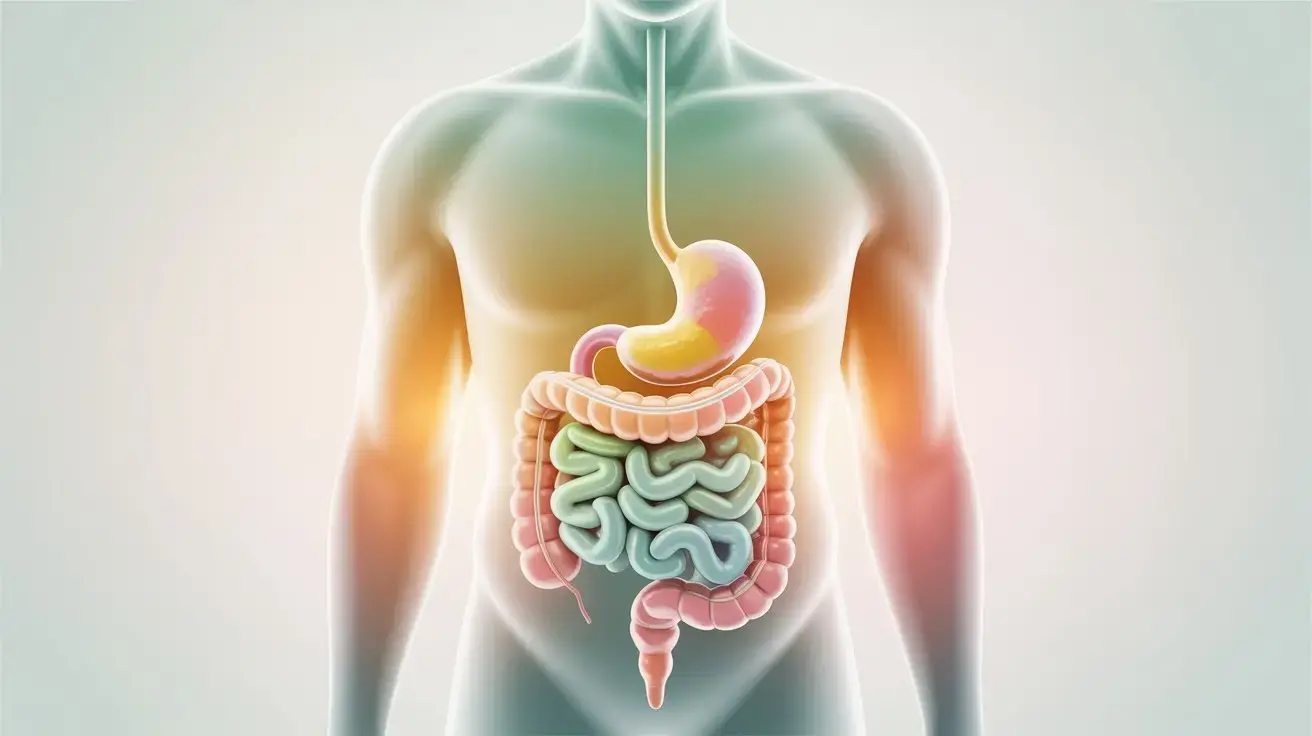
A balanced digestive system is widely recognized as one of the foundations of a strong immune system. In recent years, the role of probiotics and prebiotics in maintaining gut health has been increasingly emphasized. This often leads to a common question: Probiotics or prebiotics – which one is more beneficial?
To answer this properly, it is important to understand what each one does and how they work together.
Why Gut Health Matters
The digestive system plays a central role in overall health. In fact, the gut is often referred to as the “second brain” because of its connection to immunity, mood regulation, and metabolism. Probiotics and prebiotics have naturally been part of the human diet for centuries, but modern research has highlighted their critical importance in maintaining a healthy gut environment.
What Are Probiotics?
Probiotics are live beneficial microorganisms naturally found in the human body, particularly in the intestines. The most well-known probiotic strains include Lactobacillus and Bifidobacterium.
These beneficial bacteria help:
-
Maintain a healthy balance in the gut microbiota
-
Prevent the overgrowth of harmful microorganisms
-
Support digestion and nutrient absorption
-
Strengthen the immune system
Scientific studies suggest that probiotics may play a supportive role in conditions such as irritable bowel syndrome (IBS), digestive discomfort, antibiotic-related gut imbalance, and even mood disorders linked to gut health.
Foods Rich in Probiotics
-
Yogurt
-
Kefir
-
Pickled vegetables
-
Fermented foods such as kimchi and miso
-
Kombucha
What Are Prebiotics?
Prebiotics are a type of dietary fiber that serve as food for probiotics. Unlike probiotics, prebiotics are not living organisms. Instead, they help beneficial bacteria grow and thrive in the intestines.
Prebiotics:
-
Are not digested by the stomach
-
Reach the intestines intact
-
Support the growth of beneficial gut bacteria
-
Help reduce bloating and digestive discomfort
-
Contribute to a stronger immune response
Foods Rich in Prebiotics
-
Onion
-
Garlic
-
Banana
-
Leek
-
Artichoke
-
Whole grains
-
Oats
Probiotics or Prebiotics: Which One Should You Choose?
In reality, choosing between probiotics and prebiotics is not necessary. These two work best together.
-
Probiotics are the beneficial bacteria themselves
-
Prebiotics are the nutrients that help these bacteria survive and multiply
Without prebiotics, probiotics cannot function effectively. Without probiotics, prebiotics have nothing to nourish. A healthy digestive system depends on the presence of both.
Are Probiotic Supplements Necessary?
In many cases, a balanced diet can provide sufficient probiotics and prebiotics. However, supplementation may be beneficial when:
-
The gut flora is disrupted
-
Antibiotics have been used for a prolonged period
-
Digestive discomfort becomes frequent
-
Symptoms such as bloating, gas, or irregular bowel movements occur
Probiotic supplements should always be chosen according to individual needs and, when necessary, used with professional advice. Not every probiotic strain works the same way for every person.
Suitable Product Examples for Probiotic Support
In certain cases, probiotic-based products may help support gut flora balance and digestive comfort. Especially in situations such as bloating, intestinal discomfort, large intestine sensitivity, and irritable bowel syndrome, well-selected probiotic products may offer supportive benefits.
Some probiotic products commonly available in pharmacies include:
Lactoflorene Cist Powder N20
This product helps support the balance of intestinal microflora and may be suitable for individuals with a sensitive digestive system. Its probiotic content can help increase beneficial bacteria in the gut.
Lactoflorene Ploskij Jivot Powder Sachets N20
Designed to help reduce bloating and intestinal discomfort associated with the large intestine, this product supports digestive regulation and promotes a feeling of lightness.
Lactoflorene Cholesterol N30 Tablets
Probiotics are known to influence not only gut health but also certain metabolic processes. This product supports gut flora while contributing to the maintenance of cholesterol balance.
It is important to note that probiotic selection varies depending on individual needs. In cases of persistent or severe digestive issues, consultation with a doctor or pharmacist is recommended.
Frequently Asked Questions
Can probiotics be taken every day?
Yes, many probiotics are suitable for daily use, but duration and dosage should be adjusted to individual needs.
Are probiotics safe after antibiotic use?
Yes, probiotics are commonly recommended after antibiotic treatment to help restore gut flora balance.
Do probiotics work immediately?
Effects may vary. Some people notice improvements within days, while others may need several weeks.
Conclusion
Probiotics and prebiotics are not alternatives to each other — they are partners. Supporting gut health through balanced nutrition and, when necessary, appropriate probiotic supplementation can contribute to better digestion, stronger immunity, and overall well-being.