 EN − AZN

12 Science-Based Foods for Weight Loss
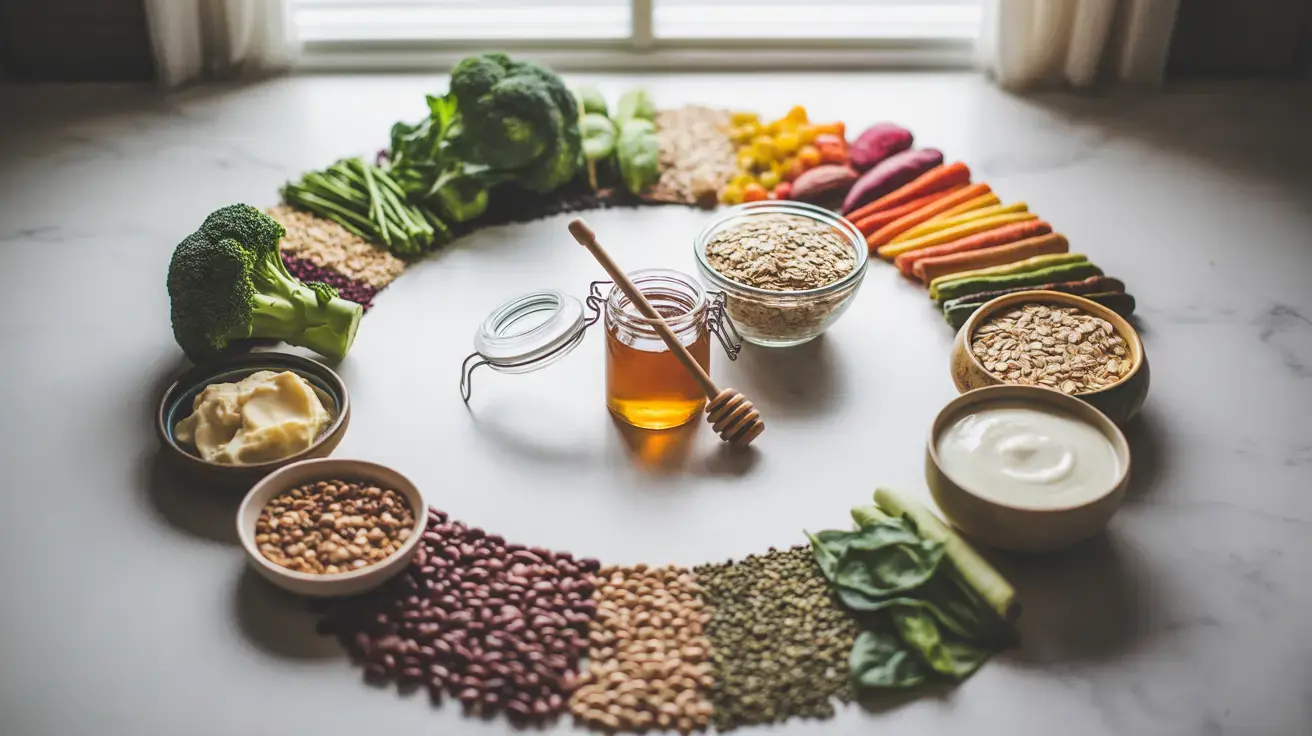
If you want to lose weight, the strategy is simple: a calorie deficit + metabolism-supporting foods. Many people ask, “What should I do to lose weight?” The answer lies in choosing the right foods and maintaining consistency.
Below are 12 food groups that can support fat loss, increase satiety, and help control appetite.
1. Dairy Products – Calcium-Rich Foods
Dairy products are excellent sources of calcium. Calcium deficiency may increase appetite and the risk of weight gain. Research suggests that a calcium-rich diet may support fat metabolism.
How to consume: Yogurt, kefir, low-fat cheese – 2–3 servings per day.
They also provide probiotics that support gut health.
2. Coconut Oil – Healthy Fats
Coconut oil contains medium-chain fatty acids that may support metabolism. Some studies suggest it may help reduce abdominal fat and improve HDL (good cholesterol) levels.
How to consume: Add to salads or meals – 1–2 tablespoons daily.
3. Honey – A Natural Sugar Alternative
Honey can be a better alternative to refined sugar. It may help maintain more stable blood sugar levels and provide natural antioxidants.
How to consume: In tea or smoothies – 1–2 teaspoons daily.
4. High-Fiber Vegetables
Fiber increases satiety, reduces overeating, and supports digestive health.
Examples include spinach, broccoli, and cabbage.
How to consume: Half a plate of vegetables at each meal.
5. Vinegar
Adding vinegar to salads may prolong the feeling of fullness and help regulate blood sugar levels.
How to consume: 1 tablespoon in salads or marinades.
6. Whole Grains – Complex Carbohydrates
Oats, barley, and whole grains are rich in fiber and protein. They provide long-lasting energy and help reduce cravings.
How to consume: 40–50 grams at breakfast.
7. Cocoa – Antioxidant-Rich
Cocoa is rich in antioxidants and may help reduce stress-related cravings. It can also promote satiety when consumed in moderation.
How to consume: Unsweetened cocoa or dark chocolate (10–20 grams daily).
8. Protein Sources
Protein preserves muscle mass, increases metabolism, and helps burn more calories during digestion.
Examples: yogurt, kefir, eggs, legumes.
How to consume: 200–300 grams of protein-rich foods daily (adjust to needs).
9. Vitamin C Sources
Vitamin C supports fat metabolism and immune function.
Examples: lemon, orange, bell peppers.
How to consume: 2–3 servings daily.
10. Healthy Fats
Nuts, olive oil, and seeds provide healthy fats that increase fullness and support cholesterol balance.
How to consume: 20–30 grams of nuts daily.
11. Legumes – Long-Lasting Satiety
Beans, lentils, and chickpeas are low-calorie yet filling. They stabilize blood sugar and reduce hunger.
How to consume: 3–4 times per week as a main dish component.
12. Green Tea and Herbal Teas
Green tea may support metabolism and fat oxidation.
How to consume: 2–3 cups daily.
How to Apply This Weight Loss Food List
Practical Daily Plan:
Breakfast: Oats + honey + fruit
Lunch: Filling salad + protein
Dinner: Lean protein + vegetables
Snack: Nuts or a small amount of coconut oil
Important: These foods do not work without a calorie deficit. Reduce daily intake by about 500 kcal and include regular physical activity.
Frequently Asked Questions
Which foods help you lose weight fastest?
Protein- and fiber-rich foods such as dairy, whole grains, and legumes are highly effective.
Does honey help with weight loss?
It can be a better alternative to sugar and may help control cravings when consumed in moderation.
Can cocoa support weight loss?
Yes, especially unsweetened cocoa or dark chocolate, thanks to its antioxidant content and satiety effect.
How does vinegar help with weight loss?
It may prolong fullness and help regulate blood sugar levels.
Does coconut oil reduce belly fat?
Some studies suggest it may support abdominal fat reduction when included in a balanced diet.
Do these foods cause weight loss on their own?
No. They work best alongside a calorie deficit and exercise.
Conclusion
There is no miracle solution for weight loss. Calcium, protein, fiber, and healthy fats help support metabolism. Include foods like coconut oil, honey, cocoa, whole grains, and high-fiber vegetables in your diet, manage your calories, and stay active.
Print this list, place it in your kitchen, and apply it daily. With consistency, you can start seeing results within two weeks.