 EN − AZN

Screen Fatigue, Stress, and Eye Health: Vitamin Support Guide
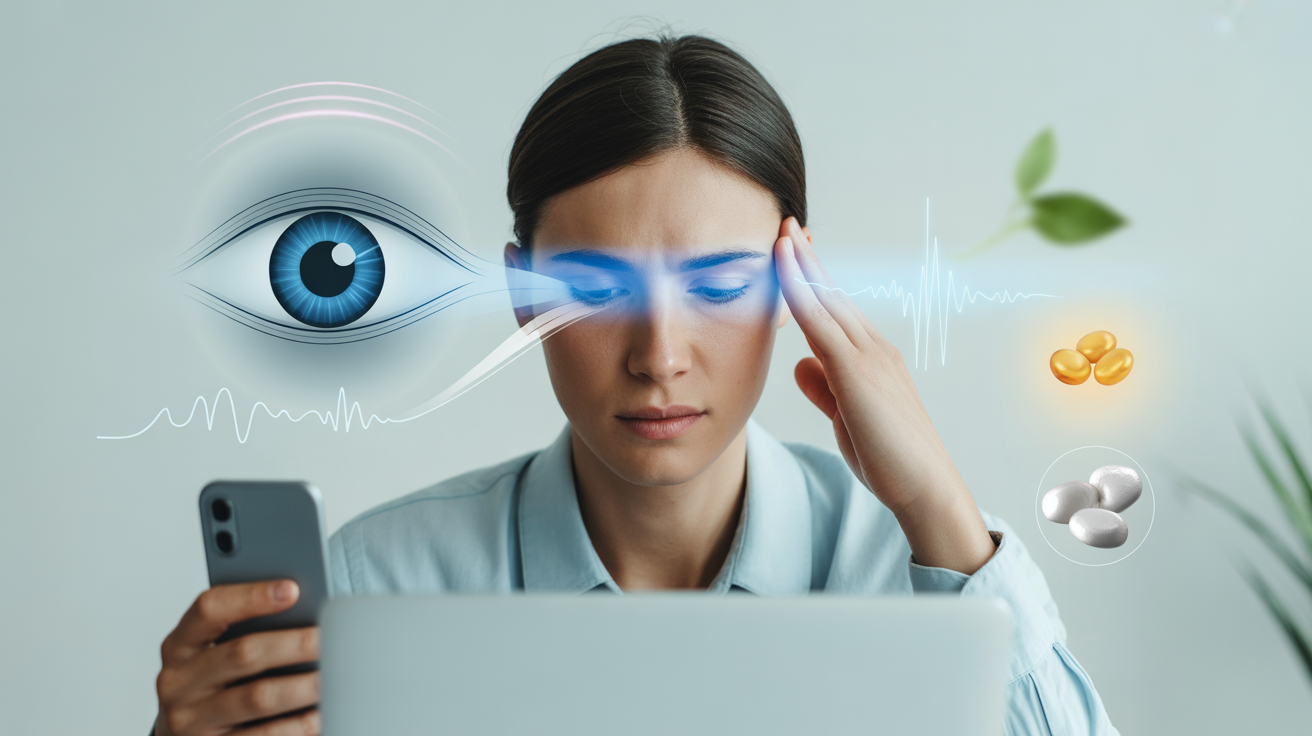
In modern life, a large part of our daily routine takes place in front of screens. Prolonged use of computers, smartphones, and tablets can have serious effects on eye health, the nervous system, and overall well-being. These effects are not limited to eye fatigue alone; they may also manifest as stress, vitamin deficiencies, and even nerve pain in the back.
Long Screen Time and Eye Health
Continuous screen exposure can increase the risk of various eye conditions. Dry eyes, burning sensations, blurred vision, and frequent eye fatigue are among the earliest signs. In such cases, people often start searching for the best eye doctor or simply an ophthalmologist. However, preventive measures and proper daily support are just as important as medical consultation.
The Link Between Stress and the Nervous System
Prolonged screen use places constant strain on the brain, which can lead to increased stress levels. Stress does not only affect mental health; it also shows physical symptoms. Complaints such as nerve pain in the back, neck stiffness, and general fatigue are often linked to prolonged mental overload.
Vitamin Deficiency and Screen-Related Fatigue
Extended screen exposure may accelerate the depletion of certain vitamins in the body. In particular, B-complex vitamins, magnesium, and omega fatty acids play a crucial role in maintaining nervous system function and energy balance.
For this reason, many people search for the best vitamin complex, B-complex vitamin supplements, and information about the benefits of B vitamins. At the same time, it is important to be aware of potential side effects of B-complex vitamins when used incorrectly.
Essential Nutrients for Eye Health: Lutein and Omega 3
Lutein and zeaxanthin play a key role in protecting the retina. These compounds help reduce the harmful effects of blue light emitted by screens. Omega-3 fatty acids also support eye hydration and help reduce inflammation.
For daily support, the following products may be considered:
Support Products for Stress and the Nervous System
Magnesium and B vitamins are widely used to reduce stress and support the nervous system. The following products stand out in this regard:
These products may help improve energy levels, increase resistance to stress, and support normal nervous system function.
Frequently Asked Questions
Does long screen time harm the eyes?
Yes. Prolonged screen use may cause eye fatigue, dryness, and reduced visual clarity.
Can stress affect eye health?
Yes. Stress influences blood circulation and nerve signaling, which can indirectly affect eye function.
Why is lutein important?
Lutein helps protect the retina by reducing the harmful impact of blue light.
Why are B vitamins essential?
B vitamins play a key role in nervous system function, energy metabolism, and stress management.
Conclusion
Spending long hours in front of screens can lead not only to eye fatigue but also to increased stress, nervous system overload, and vitamin deficiencies. Protecting eye health, managing stress, and supporting the body with proper nutrients are essential for long-term well-being. Taking timely preventive measures can help avoid more serious health issues in the future.