 EN − AZN

Skin Cancer Symptoms, Images and Melanoma Guide
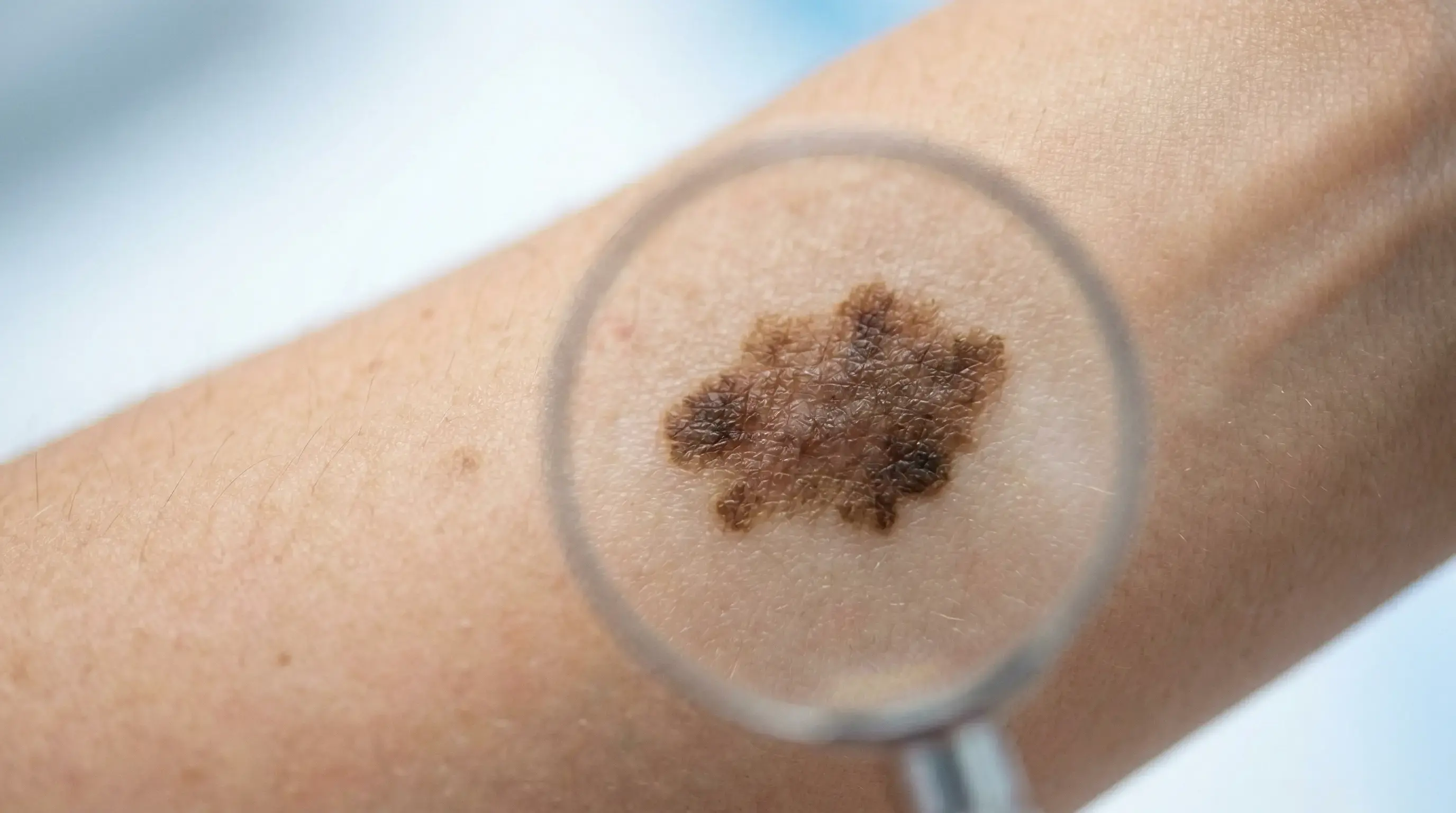
Skin cancer is one of the most common types of cancer worldwide. When detected at an early stage, the chances of successful treatment are very high. However, many people overlook the early warning signs. In this article, we explain skin cancer symptoms, how skin cancer develops, and what melanoma is.
How Does Skin Cancer Develop?
Skin cancer occurs due to genetic changes in skin cells. These mutations cause cells to grow uncontrollably.
Main risk factors include:
-
Long-term exposure to sunlight
-
Use of tanning beds
-
Fair skin type
-
Family history of skin cancer
-
Weakened immune system
Ultraviolet (UV) radiation damages the DNA in skin cells, increasing the risk of cancer over time.
Skin Cancer Symptoms
Skin cancer symptoms may appear in different forms. The most common warning signs include:
-
A sore that does not heal
-
A bleeding or crusted lesion
-
A growing mole
-
A mole that changes color
-
Asymmetrical shape
-
Irregular or poorly defined borders
-
Itching or pain
Changes in existing moles should always be monitored carefully. Even small differences can be significant.
What Is Melanoma?
Melanoma is the most dangerous type of skin cancer. It develops from pigment-producing cells and has the potential to spread rapidly to other organs.
Melanoma often appears as:
-
A dark or black spot
-
A mole that increases in size
-
A lesion with multiple colors
When detected early, treatment is usually successful. In advanced stages, however, the risk of metastasis increases.
What Do Skin Cancer Images Show?
Skin cancer images typically display:
-
Asymmetrical moles
-
Uneven color distribution
-
Raised or depressed lesions
-
Bleeding areas
If you notice similar changes on your skin, it is important to consult a dermatologist without delay.
When Should You See a Doctor?
Seek medical evaluation if:
-
A mole is growing
-
A mole is bleeding
-
A sore does not heal within 3–4 weeks
-
A lesion changes in color or shape
Early diagnosis can be life-saving.
Conclusion
Skin cancer is a condition that can be successfully treated if detected early. Recognizing skin cancer symptoms, monitoring moles, and seeking medical advice when changes occur are essential steps. Especially in the case of melanoma, early diagnosis significantly improves outcomes.
If you notice any unusual skin changes, do not ignore them — preventive examination is the safest choice.