 EN − AZN

How Smoking Affects Health and Why Quitting Matters for Cancer Prevention
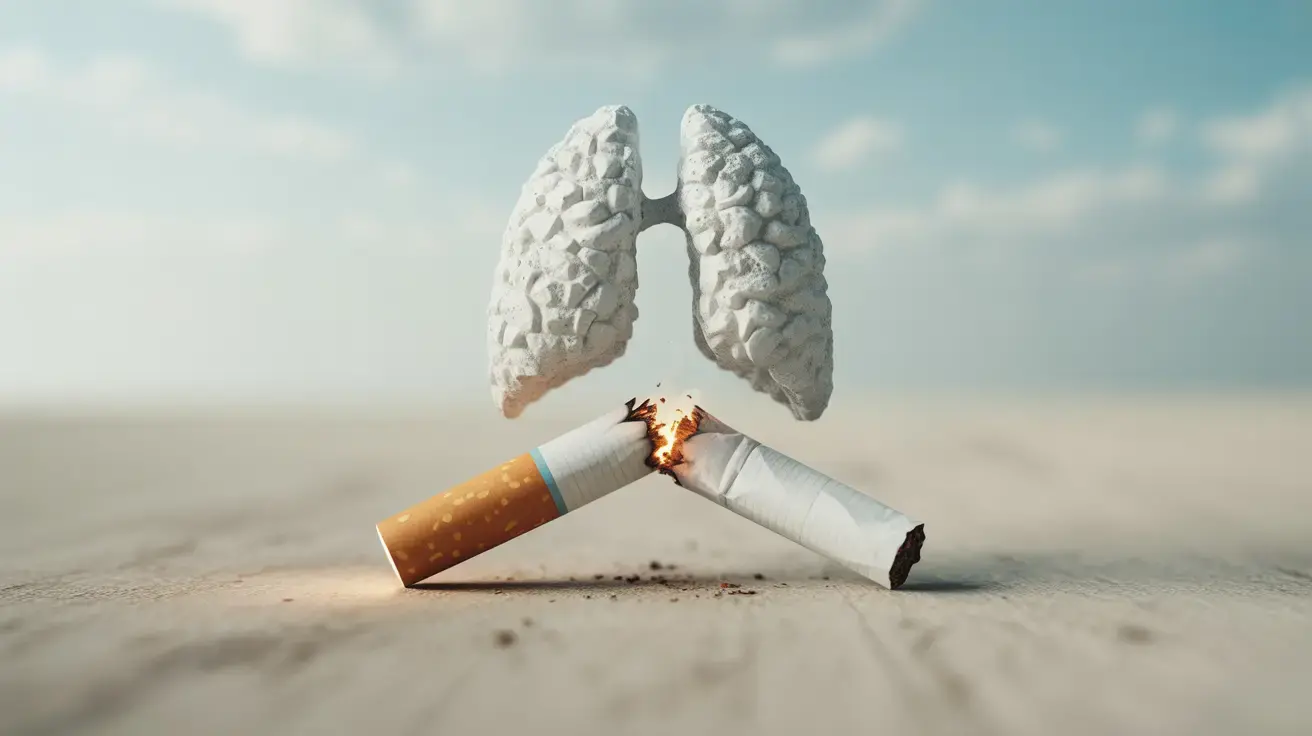
Smoking is not just a bad habit; it is one of the major risk factors that leads to serious and long-term health problems. Global research shows that smoking plays a key role in the development of cancer, cardiovascular diseases, and respiratory system disorders. Despite this, many people still underestimate the real consequences of smoking and delay quitting.
In this article, you will find detailed information about smoking, its effects on health, cancer risk, and support options that can help with quitting smoking.
Smoking and Cancer Risk
Cigarette smoke contains thousands of harmful chemical substances, many of which are directly linked to cancer. According to research, the answer to the question “What causes cancer?” in smokers is often connected to tobacco smoke exposure.
Smoking:
-
Increases cell mutations
-
Weakens the body’s self-repair mechanisms
-
Disrupts the immune system
As a result, the body becomes a favorable environment for the formation and spread of cancer cells.
Throat Cancer and Other Respiratory Problems
One of the areas most affected by smoking is the oral cavity and throat. Throat cancer is much more common among long-term smokers.
Possible symptoms of throat cancer include:
-
Pain while swallowing
-
Persistent throat dryness
-
Hoarseness
-
A cough that does not go away
These symptoms are often mistaken for minor discomfort, but if not detected early, they can lead to serious consequences.
Health Risks of Smoking for Women
Smoking poses specific risks to women’s health. According to statistics, women who smoke may experience cancer-related symptoms earlier and in more severe forms.
In addition, smoking may:
-
Disrupt hormonal balance
-
Weaken reproductive health
-
Increase the risk of breast and uterine-related disorders
For women, quitting smoking is not only a health decision but also a vital step toward improving overall quality of life.
Are Electronic Cigarettes Really Safe?
Many people turn to electronic cigarettes as a “safer” alternative when trying to quit traditional smoking. However, experts emphasize that e-cigarettes still maintain nicotine addiction and cannot be considered risk-free.
Electronic cigarettes:
-
Sustain nicotine dependence
-
Negatively affect the lungs and vascular system
-
May prevent complete smoking cessation
Therefore, e-cigarettes are not a solution but merely a change in the form of addiction.
What Does Smoking in Dreams Mean?
Some individuals experience dreams about smoking even after quitting. This indicates that psychological dependence has not yet fully disappeared. The brain recalls long-established habits, which is considered a normal stage during the quitting process.
Such experiences do not reflect a lack of willpower but rather the depth of addiction, which tends to fade over time with proper support.
Support Tools That Help You Quit Smoking
Quitting smoking is not easy for everyone. People with nicotine addiction may experience headaches, irritability, and difficulty concentrating. During this stage, choosing the right support tools can significantly ease the process.
Product Example That Supports Smoking Cessation
Tabex 1.5 mg tablets
Tabex is one of the products designed to help gradually reduce nicotine dependence. Its active ingredient works to weaken the effects of nicotine and may help decrease the urge to smoke over time. It is commonly used as a supportive option for individuals who struggle to quit smoking.
Note: It is recommended to consult a doctor or pharmacist before using such products.
Conclusion
Although smoking may create a short-term sense of relief, in the long run it leads to serious health problems, especially an increased risk of cancer. Whether traditional or electronic, smoking is harmful to the body.
Quitting smoking is one of the most important decisions you can make for your health. With accurate information, strong motivation, and appropriate support tools, the quitting process can become easier and more successful.