 EN − AZN

Zəif Qan Dovrani, Damar Tutulmasi və Varikoz Əlamətləri
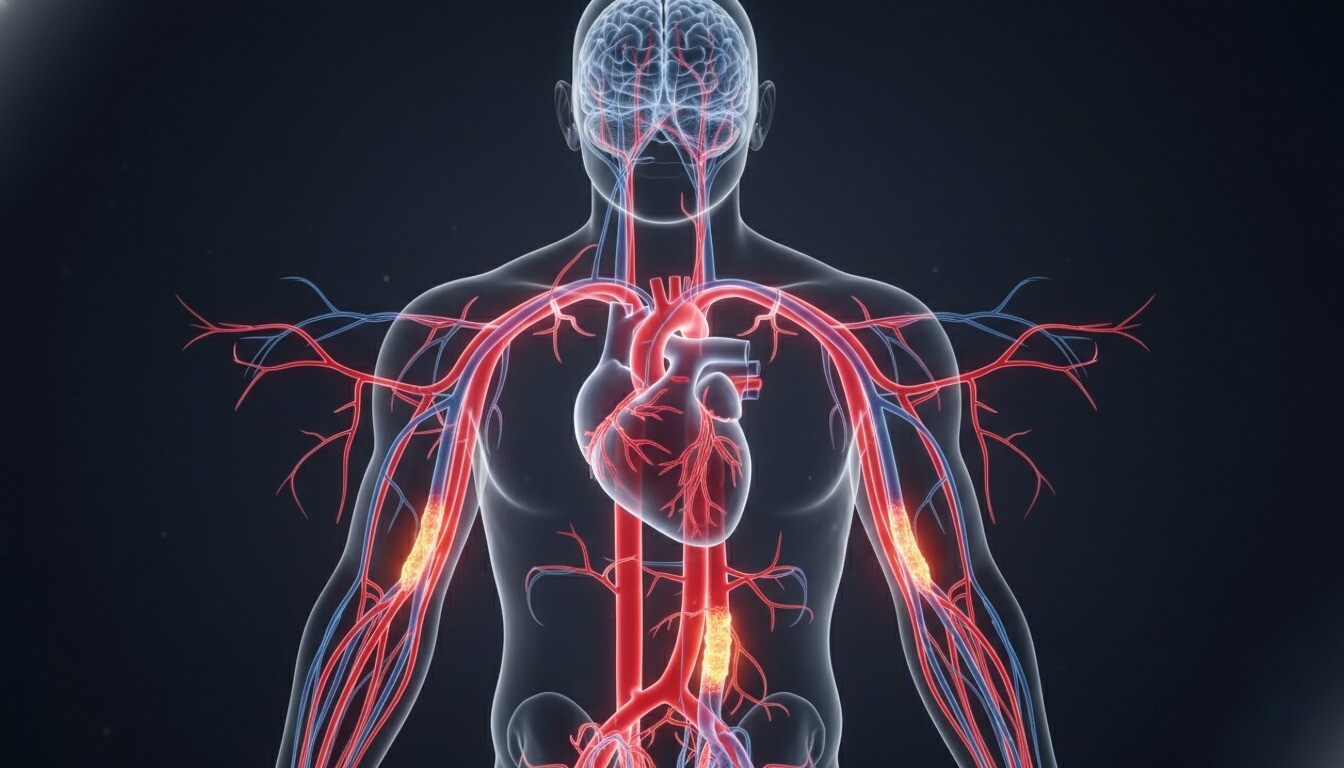
Let’s start with the main point
The body sometimes behaves in strange ways. You feel fine, but behind the scenes, it’s trying to tell you something. A slight numbness in your leg. Then cold hands. A bit of dizziness. You think, “Probably just fatigue,” and move on. But it doesn’t go away.
Because blood circulation is a silent warning system.
Even if you don’t notice it, your body has been noticing it for a long time.
Weak blood circulation can be a more serious signal than you think.
What does the body feel when circulation weakens?
Sometimes nothing.
Sometimes everything — strange, confusing symptoms.
When a blood clot starts forming in the leg, it may initially feel like ordinary fatigue. But in reality, the vascular system is already under stress. Coffee, stress, dehydration — all worsen the situation. One moment you stand up, and it feels like your leg “doesn’t respond.” A sudden sense of emptiness.
Your body is saying, “Stop, something’s wrong.”
Cold hands and feet — it’s not just the weather
Even if the room is warm, your hands feel icy. This is a classic sign of weak circulation.
Numbness in hands?
Numbness in feet?
A persistent chill?
These indicate problems with blood flow.
Some confuse it with iron deficiency — and yes, anemia can show the same symptoms. In children, these signs are often misinterpreted or overlooked by parents.
Brain circulation problems — the quiet cause of dizziness
Many think poor brain circulation only affects older adults. Not true. Stress, prolonged sitting, and tension in neck muscles all reduce blood flow to the brain.
Common symptoms:
-
Loss of focus
-
Darkening before the eyes
-
Mild dizziness when moving
-
Feeling like your mind is “foggy”
People often attribute these to fatigue, lack of sleep, or work stress. But sometimes, vascular issues are at the root.
Why heart weakness worsens circulation
If the heart beats weakly, circulation weakens too — it’s that simple. But the sensations aren’t simple:
-
Chest heaviness
-
Shortness of breath
-
Swelling in legs
-
Rapid fatigue
-
Loss of strength when climbing stairs
Heart weakness often goes unnoticed. People think, “I’m young,” and ignore it. But illness doesn’t choose age. The risk of vascular blockage is the same.
Vascular blockage — the body’s hidden brake signal
When people hear “vascular blockage,” they think of a heart attack. But a heart attack is the final stage. Before that, blood vessels warn you for months.
Signs of vascular blockage differ depending on the location:
-
Leg blood clots: fatigue while walking, leg heaviness, cramps during movement, nighttime restlessness in legs
-
Heart vascular issues: chest heaviness, shortness of breath, swelling, fatigue
If combined with anemia, weak circulation, or low blood pressure, the problem becomes serious.
Unexpected early warning signs
The body can be creative with its signals:
-
Constant fatigue
-
Sudden shortness of breath
-
Dizziness when standing
-
Tingling in fingers
-
Swelling in heels
Each of these signals that circulation isn’t working properly.
Who is at higher risk?
Two obvious reasons:
-
Sedentary lifestyle
-
Poor diet
A less obvious one: omega-3 deficiency.
Omega-3 preserves vessel elasticity, improves blood flow, and reduces the risk of clots. Without it:
-
Blood becomes thicker
-
Vessels tire more quickly
-
The heart works harder
People often focus on the cost of omega-3, but long-term effects are far more important.
What does the body need to improve circulation?
Not just vitamins — but some are essential:
-
Omega-3
-
Iron
-
B12
-
Magnesium
Why they matter:
-
Iron → supports oxygen transport
-
Omega-3 → improves vessel elasticity
-
B12 → supports nerves and blood cells
-
Magnesium → helps vessels relax
Poor circulation doesn’t always require medication. Sometimes the body just needs support.
Frequently Asked Questions
How does weak circulation feel?
Cold hands, numb feet, fatigue, dizziness.
How to detect brain circulation problems?
Loss of focus, foggy thinking, mild imbalance.
Which vitamins help circulation?
Omega-3, B12, iron, magnesium.
When is vascular blockage dangerous?
Pain while walking, leg cramps, chest heaviness.
Do medications help anemia?
Yes, but the cause must be properly identified.
Conclusion
The body is constantly speaking to you.
But most of the time, we ignore it.
Weak circulation often begins with small symptoms that can grow into serious issues. Cold hands, numb feet, rapid fatigue, dizziness — none of these are random.
Your vascular system is trying to tell you something.
You just need to listen.