 EN − AZN

What Is Diarrhea, Diarrhea Medicine and Intestinal Pain Symptoms
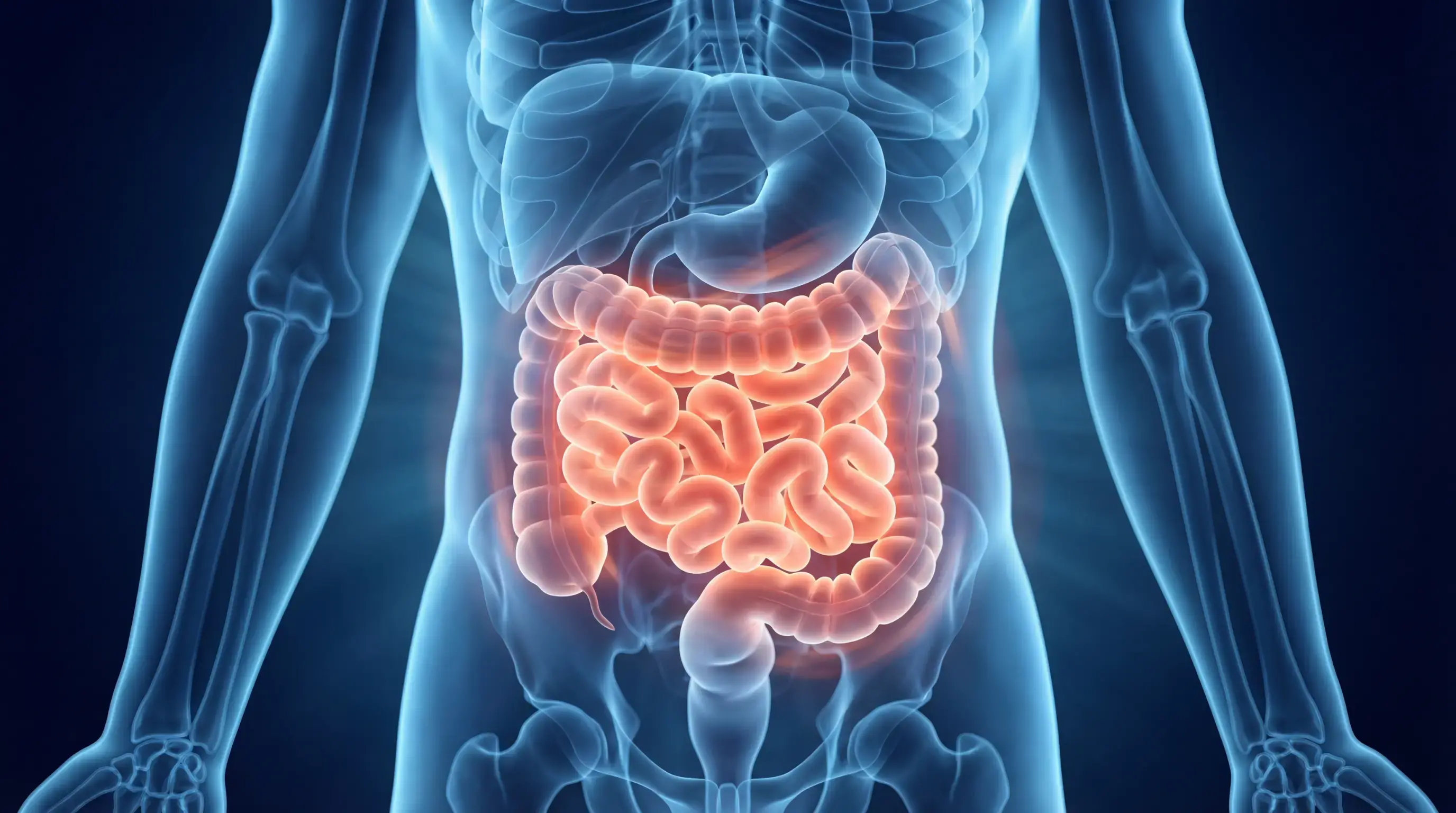
Diarrhea is a disorder of the digestive system characterized by loose or watery stools and frequent bowel movements. It can occur in both children and adults and may develop for various reasons.
What Is Diarrhea and Why Does It Happen?
What is diarrhea?
Diarrhea occurs when intestinal movement increases and the absorption of water decreases.
Causes of diarrhea may include:
-
Intestinal infections
-
Intestinal cold symptoms
-
Viral and bacterial infections
-
Food poisoning
-
Stress
-
Stomach cramps during diarrhea
What to Do During Diarrhea
One of the most common questions is what to do during diarrhea.
-
Drink plenty of fluids
-
Choose light and easily digestible foods
-
Pay attention to what to eat during diarrhea
-
Avoid heavy and fatty meals
Medicine for stomach pain and diarrhea should only be taken with medical advice.
Medicine for Diarrhea and Choosing the Right Treatment
When selecting medicine for diarrhea, the underlying cause must be identified.
Diarrhea medicine may be used in cases of:
-
Bacterial infections
-
Intestinal disorders
-
Watery diarrhea
What helps diarrhea may include hydration, probiotics, and appropriate medication.
Symptoms of Intestinal Cold
Intestinal cold symptoms may include:
-
Abdominal pain
-
Watery diarrhea
-
Weakness
-
Fever
Stomach and intestinal cold symptoms can sometimes be more severe.
Intestinal Pain and Its Symptoms
Intestinal pain may:
-
Appear as cramping
-
Be intense in the large intestine
-
Be felt in the lower abdomen
Symptoms of intestinal disease may include:
-
Diarrhea
-
Constipation
-
Abdominal cramps
-
Blood in stool
Appendicitis Symptoms
Where is the appendix located?
The appendix is located in the lower right abdomen.
Appendicitis symptoms may include:
-
Sharp pain on the right side
-
Fever
-
Nausea
Intestinal Cancer and Its Symptoms
Intestinal cancer may not show symptoms in early stages.
Symptoms of intestinal cancer may include:
-
Persistent intestinal pain
-
Weight loss
-
Blood in stool
Rectal cancer symptoms may include lower abdominal discomfort and bowel habit changes.
Duodenum and Ulcer Symptoms
Duodenal ulcer symptoms may include:
-
Pain on an empty stomach
-
Heartburn
-
Abdominal discomfort
Diet plays an important role in managing duodenal ulcers.
Irritable Bowel Syndrome Symptoms
Symptoms of irritable bowel syndrome may include:
-
Bloating
-
Alternating diarrhea and constipation
-
Intestinal pain
Treatment of irritable bowel syndrome often requires lifestyle changes.
Intestinal Cleansing and Healthy Nutrition
For intestinal cleansing:
-
Eat fiber-rich foods
-
Drink plenty of water
-
Choose foods beneficial for stomach and intestines
Frequently Asked Questions
What is diarrhea?
Diarrhea is a condition characterized by loose or watery stools caused by increased intestinal movement.
What to do during diarrhea?
Drink fluids and follow a light diet.
Is medicine necessary for diarrhea?
It depends on the cause. In bacterial cases, medication may be required.
What to do if stomach pain occurs during diarrhea?
If pain is severe, consult a doctor.
What are intestinal cold symptoms?
Abdominal pain, watery diarrhea, and weakness are common signs.
Conclusion
Diarrhea, intestinal pain, and digestive disorders should be properly evaluated. If symptoms last more than 2–3 days, or if fever and severe pain occur, medical consultation is necessary. Proper hydration, nutrition, and appropriate medication selection can help speed up recovery.
Digestive health plays a key role in overall well-being.