 EN − AZN

Why Does the Body Dehydrate Faster in Winter?
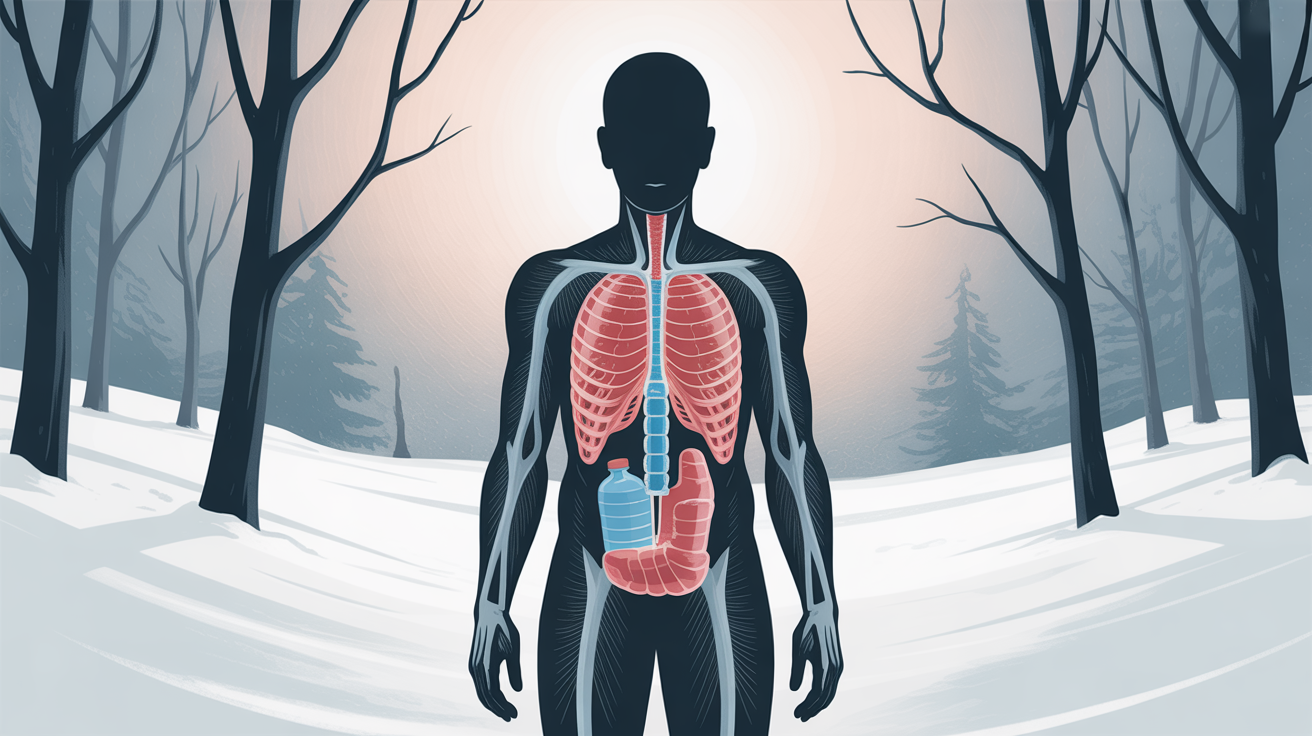
During the winter months, many people believe they are not dehydrated because they do not feel thirsty. However, the body’s need for water does not depend on the season. Cold weather, low temperature, and dry air in indoor environments can disrupt the body’s fluid balance more quickly. This situation may manifest as symptoms such as fatigue, tiredness, and general weakness.
Why Is Dehydration More Hidden in Winter?
In winter, the sensation of thirst is felt less compared to summer. One of the main reasons for this is temperature changes. In cold weather, sweating decreases, so people do not consider themselves dehydrated. However, the body still needs sufficient water to maintain normal functioning.
Temperature and the body’s response
Low temperature causes the body to spend more energy to maintain heat balance. During this process, fluid loss can occur without being noticed. As a result, dehydration may develop in a hidden way.
Symptoms of Dehydration in the Body
Dehydration is not measured only by the desire to drink water. The body signals this condition in different ways.
Dry skin and skin dryness
Dry skin is one of the most common symptoms observed in winter. When the skin does not receive enough water, it loses elasticity and dryness occurs. Although this condition is often associated with weather conditions, dehydration can be one of the main causes.
Dry mouth, dry throat, and dry nose
Dry mouth is one of the early signs of dehydration. At the same time, dry throat and dry nose are also more frequently observed during winter months. Dry air in indoor environments further intensifies this condition.
Where Do Fatigue and Tiredness Come From?
Dehydration directly affects the body’s energy levels. When sufficient water is not consumed:
-
fatigue develops
-
the feeling of tiredness increases
-
physical and mental performance decreases
Headache and weakness
Headache is often not associated with dehydration. However, when fluid levels decrease in the body, blood circulation may weaken, leading to headache and a feeling of weakness.
Does the Body Need Less Water in Winter?
This is one of the most common misconceptions. In winter, the body does not need less water. On the contrary, heating systems, dry air, and temperature differences create conditions where dehydration can occur more quickly. The body expresses this state not through obvious thirst, but through indirect symptoms.
Frequently Asked Questions
Is it normal not to feel thirsty in winter?
Yes, it is normal. However, this does not mean that the body does not need water.
Is dry skin always related to weather conditions?
No. Dry skin can often be associated with dehydration.
Can headache be caused by dehydration?
Yes. Headache is one of the hidden signs of dehydration.
Why do fatigue and tiredness increase in winter?
Temperature changes and low water intake can lead to increased fatigue and tiredness.
Conclusion
A reduced feeling of thirst in winter does not mean that the body’s need for water has decreased. Low temperature, dry air, and indoor environments can disrupt the body’s fluid balance more quickly. Symptoms such as dry skin, dry mouth, dry throat, dry nose, fatigue, tiredness, headache, and weakness are important signals sent by the body. Recognizing these signals in time and considering the body’s needs is essential for overall health.