 EN − AZN

Why Does Appetite Increase in Winter? Body Defense Explained
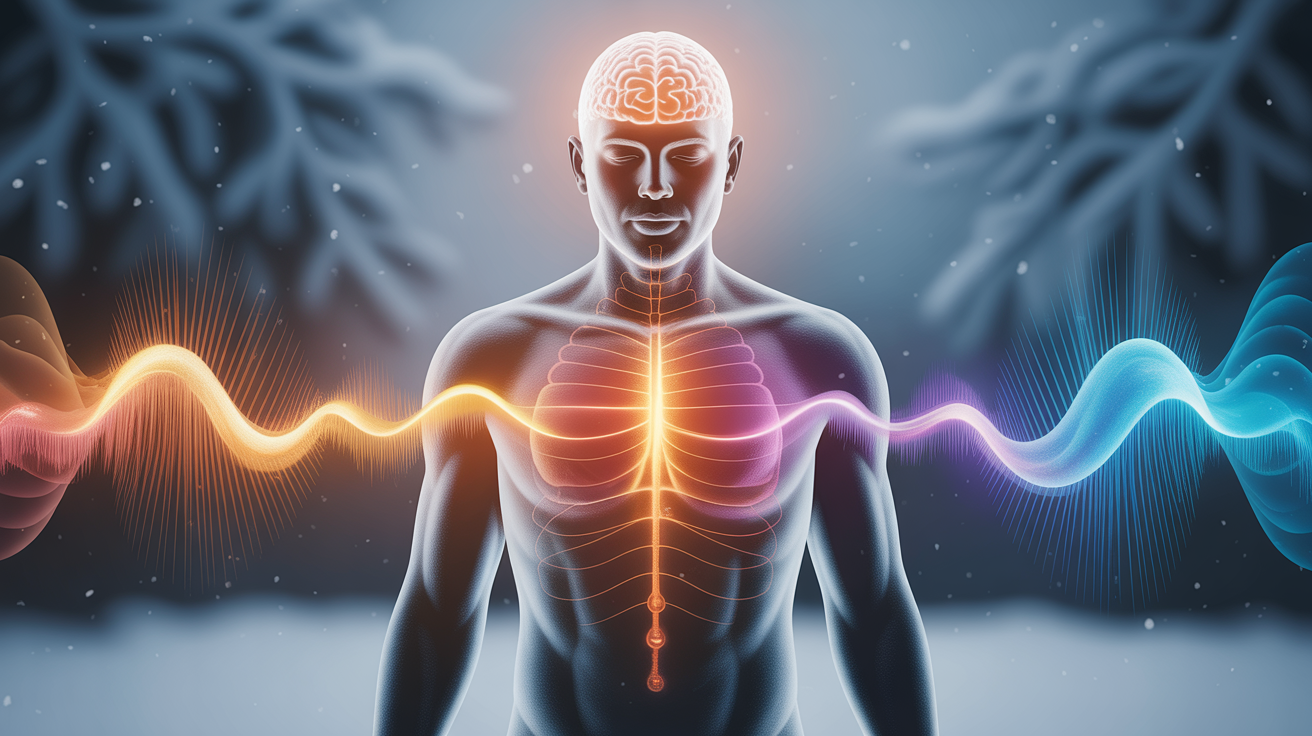
Many people notice that during winter, they feel hungry more often, portions become larger, and weight gain accelerates. This change is not only related to reduced physical activity. The main reason lies in seasonal hormonal changes, decreased daylight, and the body’s natural defense mechanisms.
What Changes in the Body During Winter?
What Is a Hormone and How Does It React to Seasons?
To answer the question what is a hormone, hormones are biological messengers that regulate processes in the body. During winter, the hormonal system tries to adapt to environmental conditions, which may increase the risk of hormonal imbalance.
This imbalance can present itself through symptoms of hormonal imbalance, such as:
-
increased appetite
-
cravings for sweets and carbohydrates
-
fatigue and low motivation
The Connection Between Melatonin and Winter Appetite
What Is Melatonin?
To explain what is melatonin, melatonin is a hormone released in darkness that regulates the sleep–wake cycle. During winter, reduced daylight causes the melatonin hormone to be released earlier and for longer periods.
Benefits of Melatonin and Its Side Effects
Among the main benefits of melatonin is improved sleep quality. However, prolonged elevation of melatonin levels may:
-
increase appetite
-
raise energy demand
-
lead to higher food intake
Reduced Serotonin and Emotional Hunger
What Is Serotonin and Why Does It Decrease in Winter?
To answer what is serotonin, serotonin is a hormone associated with mood and satiety. In winter, reduced sunlight leads to lower serotonin hormone levels.
As a result, the body:
-
craves more carbohydrates
-
seeks comfort through sweets
-
experiences emotional hunger
Cortisol and the Body’s Defense Response
Cortisol is known as the stress hormone. During winter:
-
cold weather
-
reduced movement
-
psychological stress
may increase cortisol levels. When cortisol rises, the body shifts into energy-conservation mode, which accelerates weight gain.
Why Does Metabolism Slow Down in Winter?
Metabolism refers to the body’s energy production and usage system. In winter:
-
metabolic rate decreases
-
energy expenditure drops
-
hunger signals appear more quickly
In this state, appetite-stimulating factors feel stronger, while appetite-suppressing mechanisms become less effective.
Is Increased Appetite in Winter Dangerous?
Not every increase in appetite during winter is a problem. However, attention is needed if:
-
weight gain is rapid
-
fatigue persists
-
hormonal imbalance is suspected
In such cases, evaluating hormonal balance becomes essential.
Frequently Asked Questions
Is increased appetite in winter normal?
Yes. It is a natural response of the body to cold temperatures and reduced daylight.
Does melatonin affect appetite?
Yes. Elevated melatonin levels may increase appetite.
Can low serotonin lead to weight gain?
Yes. Reduced serotonin often increases emotional eating and sugar cravings.
Does metabolism stop in winter?
No, but it slows down, reducing overall energy expenditure.
Conclusion
Increased appetite during winter is not simply a matter of willpower. It is a quiet adaptation process involving melatonin, serotonin, cortisol, and metabolism. The body attempts to protect itself by conserving energy and increasing intake. Understanding this mechanism is the most important step toward preventing weight gain during the winter months.