 EN − AZN

Zinc and Acne: Does Zinc Help Treat Pimples and Breakouts?
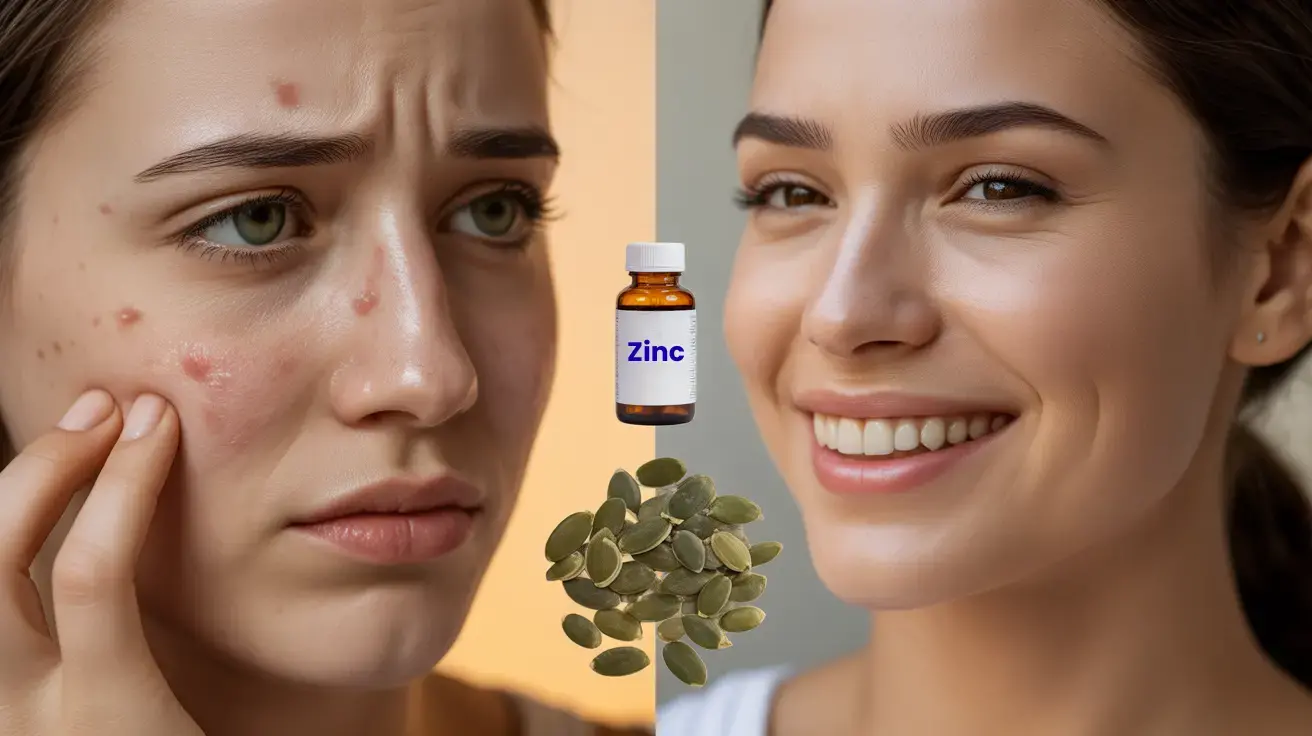
Acne and pimples are among the most common skin problems affecting both adolescents and adults. Hormonal changes, excessive sebum production, inflammation, and bacterial growth all play a role in the development of acne. In recent years, zinc has gained attention as an important micronutrient that may help improve acne and overall skin health.
In this article, we explain what zinc is, how it affects acne and pimples, and how zinc supplementation can be used correctly.
What Is Zinc?
Zinc is an essential trace mineral that plays a critical role in many biological processes in the body. It supports immune function, wound healing, hormone regulation, and skin renewal. Because the human body does not store zinc in large amounts, it must be obtained regularly through food or supplements.
Zinc deficiency can negatively affect the skin, immune system, and inflammatory response.
The Relationship Between Zinc and Acne
Scientific studies show that people with acne often have lower zinc levels compared to those without skin problems. Zinc helps manage acne through several mechanisms:
-
Reduces inflammation in the skin
-
Regulates sebum (oil) production
-
Supports skin healing and regeneration
-
Inhibits the growth of acne-causing bacteria
Thanks to these effects, zinc may help reduce both inflammatory acne and non-inflammatory pimples.
Zinc for Pimples: How Does It Work?
Zinc plays a role in controlling excess oil production in the skin. Overproduction of sebum can clog pores and create an environment where bacteria thrive. By helping balance oil secretion, zinc reduces the risk of clogged pores and new breakouts.
Additionally, zinc supports faster healing of existing pimples and may help reduce post-acne marks when used consistently and correctly.
Common Causes of Acne and Pimples
Acne does not develop for a single reason. The most common causes include:
-
Hormonal changes
-
Excessive oil production
-
Blocked pores
-
Bacterial growth
-
Inflammation
-
Nutrient deficiencies, including zinc deficiency
Addressing nutritional gaps is often an important part of long-term acne management.
Is Zinc Supplementation Necessary?
Zinc can be obtained from foods such as meat, seafood, nuts, seeds, and whole grains. However, dietary intake may not always be sufficient, especially in individuals with acne, digestive issues, or increased nutritional needs.
In such cases, zinc supplements may help support skin health. Zinc supplementation is often used as part of a broader acne treatment plan rather than as a standalone solution.
It is important to follow recommended dosages and consult a healthcare professional before long-term use.
Frequently Asked Questions
Does zinc help with acne?
Yes, zinc may help reduce acne by lowering inflammation, controlling oil production, and supporting skin repair.
How long does it take for zinc to work on acne?
Visible improvements usually appear after several weeks of consistent use, depending on individual skin condition and zinc levels.
Can zinc cause side effects?
When taken in excessive amounts, zinc may cause nausea or digestive discomfort. Proper dosage is important.
Is zinc effective for adult acne?
Yes, zinc can be beneficial for both teenage and adult acne, especially when acne is linked to inflammation or hormonal imbalance.
Conclusion
Zinc plays an important role in skin health and may be a helpful supportive option for managing acne and pimples. By reducing inflammation, regulating oil production, and supporting skin healing, zinc can contribute to clearer and healthier skin when used correctly.
For best results, zinc supplementation should be combined with a balanced diet, proper skincare routine, and professional medical advice when necessary.