English
Azərbaycan
Русский
49 ₼-dən pulsuz çatdırılma
Sifarişimi izlə
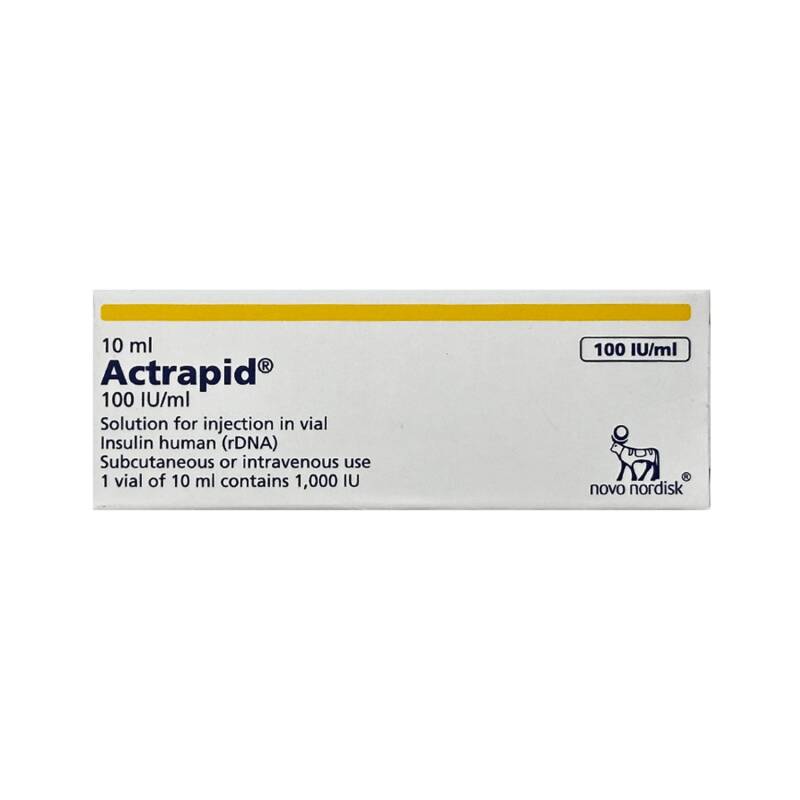
Active substance: In 1 ml of injection solution there is 100 BV of human insulin produced using a biotechnological recombinant method. Excipients: zinc chloride, glycerol, metacresol, sodium hydroxide, hydrochloric acid, water for injection.
Indications for use:
Aktrapid® is human insulin and is used to treat diabetes. In diabetes, the body does not produce enough insulin to regulate the level of sugar in the blood. Aktrapid® is usually prescribed together with insulin products that have a long-lasting effect.
Contraindications:
Use with insulin infusion pumps. ►Allergy (hypersensitivity) to human insulin or to any other substance contained in Aktrapid® (see: “Composition”). ►If you feel that hypoglycemia is approaching (a decrease in blood sugar level) (see: “What to do in a critical situation?” section). ►If there is no protective cap or it is loose. Each vial has a protective plastic cap that isolates it from accidental effects. If you notice any defect in this cap when you take the vial in your hand, return the vial to your pharmacist. ►If it has not been stored under appropriate conditions or has been frozen (see: “Storage conditions of Aktrapid®” section). ►If the insulin is not completely clear and colorless.
Use during pregnancy and lactation:
There are no contraindications to treatment with Aktrapid® during pregnancy and lactation; consult your doctor.
Discuss your need for insulin with your doctor and nurse. Follow their instructions carefully. If your doctor has switched you from one type or brand of insulin to another, your dose may change. After an insulin injection, eat a meal or snacks containing carbohydrates within 30 minutes. It is recommended to measure your blood sugar level regularly. Aktrapid® is intended for subcutaneous injection. Each time, inject the insulin into different areas of the skin where you inject. This may reduce the risk of thinning and thickening of the skin (see: “Side effects”). The most suitable injection sites on the body: the front of the waist (abdominal area); the buttock muscle; the front of the thighs and the upper arm. When injected into the abdominal area, insulin starts to act more quickly. In special situations, Aktrapid® may be injected directly into a vein by healthcare professionals. Injection procedure Only the method of injecting Aktrapid® and/or combining it with long-acting insulins ►Ensure that you have a syringe with the appropriate unit markings for insulin injection. ►Collect air into the syringe up to the amount of insulin dose you need. ►Follow your doctor’s or nurse’s instructions carefully. ►Inject the insulin under the skin. Use the method recommended by your doctor or nurse. ►Keep the needle under your skin for at least 6 seconds to ensure the full dose is delivered. What to do in a critical situation? If you fall into hypoglycemia Hypoglycemia means a significant decrease in blood sugar level. Signs that warn of hypoglycemia appear suddenly. These signs include: cold sweat, cold and pale skin, headache, strong heartbeat, nausea, a strong feeling of hunger, temporary changes in vision, drowsiness, unusual tiredness and weakness, irritability or trembling, a feeling of excitement, restlessness, difficulty concentrating. If you notice any of these signs, take glucose tablets or eat sweets with a lot of sugar (candy, biscuit, fruit juice), then rest. If you feel that hypoglycemia is approaching, do not use insulin. As a precaution, always carry glucose tablets, candy, biscuits, or fruit juice with you. Inform your relatives, friends, and close colleagues so that if you suddenly lose consciousness, they lay you on your side and call a doctor immediately. Do not give you any food or drink, as this may cause choking. ►If severe hypoglycemia is not treated, brain damage may occur (temporary or permanent) and it may even result in death. ►If you have had hypoglycemia that brought you to an unconscious state or if frequent episodes of hypoglycemia occur, it is recommended that you discuss this with your doctor. Changes may be required in the insulin dose and time of use, in your meals, or in physical activity. Use of glucagon With a glucagon hormone injection, it is possible to regain consciousness sooner than with loss of consciousness. The injection must be performed by someone who can do it. If you have been given a glucagon injection, as soon as you regain consciousness, you should immediately take glucose and/or eat something sugary. If glucagon does not work for you, you must receive treatment in a hospital. After a glucagon injection, you must contact your doctor; you need to know the cause of your hypoglycemia so that you can prevent it from recurring. Causes of hypoglycemia Hypoglycemia occurs when blood sugar drops too low. This can happen in the following cases: • Injecting insulin in an excessive dose • Eating too little or skipping a meal • Physical activity more than you are used to. If your blood sugar level is too high Blood sugar level may be very high (this is called hyperglycemia). Symptoms develop gradually. These symptoms include: frequent urination, thirst, decreased appetite, illness (nausea and/or vomiting), drowsiness or feeling tired, skin redness and dryness, dry mouth, and an acetone smell from the breath. If you have any of these symptoms, measure your blood sugar level; if possible, check your urine for ketones, then contact your doctor without delay. This may be a sign of a very serious condition called diabetic ketoacidosis. If left untreated, it can lead to diabetic coma and death. Causes of hyperglycemia • You forgot to inject insulin • You use less insulin than needed each time • Infection or fever • Eating more than you are used to • Physical activity less than you are used to.
Product Filters | ||
|---|---|---|
| Supplier Product Code | : | 111-02698 |
 Powered by
T-SOFT
E-Commerce
Powered by
T-SOFT
E-Commerce