 EN − AZN

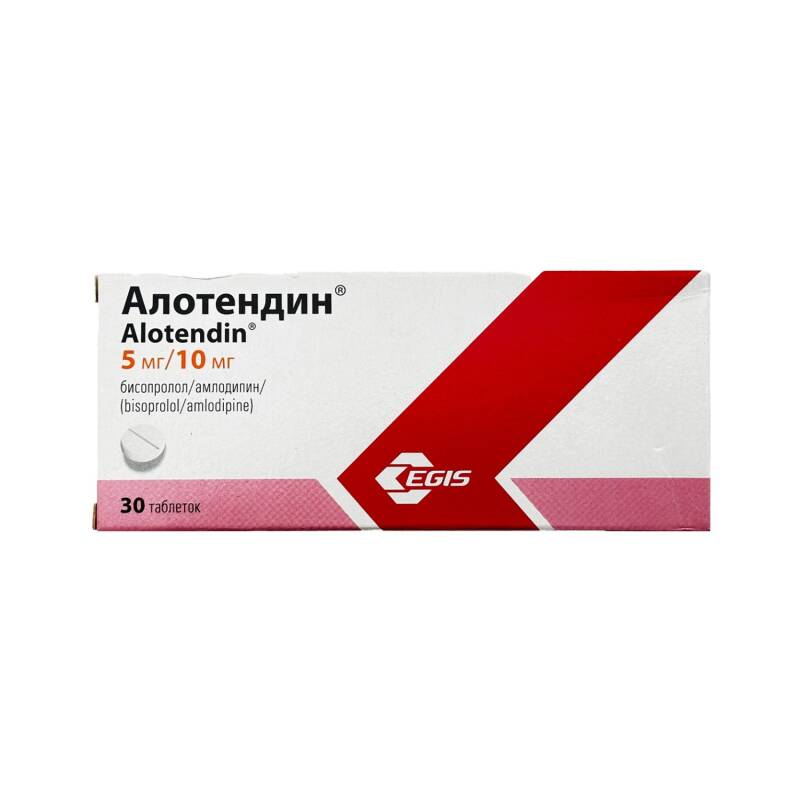
Alotendin 5 mg/10 mg N30 Tablet
Out Of Stock
Notify me when its in stockAlotendin, 10 mg/10 mg tablets
Indications for use
The medicine (bisoprolol/amlodipine) is prescribed for chronic heart failure due to chronic oxygen delivery deficiency to the myocardium and elevated arterial blood pressure caused by certain conditions (chronic stable angina). In such patients, adequate control can be achieved with the simultaneous use of amlodipine and bisoprolol in separate tablet form at the same doses.
Contraindications
High sensitivity to any component of the medicine and to dihydropyridine derivatives; ⚫ when there is a severe obstruction of blood flow from the left ventricle (Janrtanın quruması); a decrease in the strength of the drug due to a reduction in arterial blood pressure (less than 100 mmHg); ⚫ severe bronchial asthma or chronic obstructive lung diseases; severe diseases of peripheral arteries; Raynaud’s syndrome characterized by worsening due to exposure to cold, “tinnitus,” and whitening of the fingers and the color of the pancan; in pheochromocytoma, a rare disease that manifests as a tumor of the adrenal medulla; when the blood pH shifts toward acidity, and in any of the situations noted during metabolic changes, it is necessary to consult a doctor and know whether taking the medicine is possible.
Use during pregnancy and lactation
Since there is no sufficient clinical experience regarding the use of the medicine in pregnant women, the medicine may be prescribed only after careful individual examination by a doctor, taking into account the risk/benefit ratio. For this reason, the doctor should be informed about pregnancy or its planning. If the medicine is prescribed, careful monitoring of the fetus and the newborn may be required. Due to lack of appropriate clinical experience, it is not recommended to use the medicine during lactation. Before taking the medicine, you must consult a doctor, and since there is no information about effectiveness, it should not be used in this age group.
Use in children
Safety of use of the medicine in children under 18 years of age
How to use Alotendin and dosage
The medicine must be taken with strict doctor’s prescription. If any questions arise regarding its intake, you should consult the doctor. The recommended dose is 1 tablet. In patient groups, when kidney and liver function are impaired, is dose adjustment required? In cases of mild to moderate renal and hepatic insufficiency, dose adjustment may be required, and in cases of severe impairment of liver function, dosing may be changed.
In elderly patients, dose adjustment is not required; however, when increasing the dose, caution is necessary. For adolescents under 18 years of age: since the safety and effectiveness of the use of AlotendinR tablets have not been established, it is not recommended to use them in this patient group. How to take: take the medicine once daily (preferably in the morning), by mouth without chewing, with some liquid, regardless of food intake. The score line on the tablet is intended only to make it easier to break the tablet; if it is difficult to swallow the tablet whole, the score line helps to split it. If the therapeutic effect of the medicine is too strong or too weak, consult the doctor. If a dose is missed: if the medicine intake is forgotten, take the missed dose immediately. If it is time for the next dose, it is not allowed to take a double dose to compensate for the missed dose; compensation cannot be achieved by this method, instead
Special instructions and precautions
Before taking the medicine, you should consult your doctor or pharmacist. In the following cases, the medicine should be used with caution and the doctor must be informed without fail: ⚫ elderly age: • heart failure: diabetes mellitus with significant fluctuations in blood sugar levels; • strict diet; parallel allergy-directed (desensitizing) treatment (for example, prevention of allergic rhinitis); ⚫ minor disorders in the cardiovascular system (first-degree AV block); impaired perfusion of the coronary arteries (Prinzmetal angina): diseases of the vessels of the extremities characterized by reduced perfusion; • psoriasis; hyperthyroidism; kidney and liver diseases; in pheochromocytoma, a rare disease that manifests as a tumor of the adrenal medulla; • bronchial asthma or chronic obstructive lung diseases; ⚫ when planning a surgical operation, the anesthesiologist must be informed about taking the medicine. If one of the listed conditions is present, the doctor decides on the necessity of special assistance (for example, additional pharmacotherapy).
Interactions with other medicinal products
When used simultaneously with other medicinal products, the medicine’s therapeutic and additional effects may change. Such effects may also occur when other medicinal products are used for a short time. Before taking the medicine, you should inform your doctor or pharmacist about the medicines you have taken previously and/or will take (including non-prescription medicines). It is not recommended to use other medicines simultaneously with AlotendinR tablets: calcium channel blockers such as verapamil and diltiazem; these medicines are effective in the treatment of high arterial blood pressure and chronic stable angina. Antihypertensive agents (for example, clonidine, methyldopa, moxonidine, rilmenidine): you cannot stop taking these medicines without consulting your doctor.
The following medicinal products may be prescribed with AlotendinR tablets only in certain cases, with special caution, and only when medical supervision is possible: certain medicines that affect heart rhythm (quinidine, disopyramide, lidocaine, phenytoin, flecainide, propafenone, amiodarone). These medicines are used in the treatment of arrhythmias and other disorders of heart rhythm. Local medicinal forms (for example, eye drops used in the treatment of glaucoma). Parasympathomimetics: these medicines are used to enhance the function of smooth muscle in diseases of the stomach.
Insulin and oral antidiabetic agents and analgesic glycosides (plant preparations of St. John’s wort): these medicines are used in the treatment of heart failure. Anti-inflammatory medicines (QSIAP): these medicines are used in the treatment of inflammation of the joints, pain, and arthritis (for example, isoprenaline, dobutamine, noradrenaline, adrenaline).
These medicines are used in cases of severe circulatory disorders and in unavoidable situations, and any medicines that cause a decrease in arterial blood pressure as a result of additional effects (for example, antihypertensive medicines, alcohol medicines can enhance the hypotensive (decrease in arterial blood pressure) effect of the tablets regardless of food intake).
Side effects
As with all other medicines, side effects may occur when taking Alotendin. However, these reactions may not occur in all patients. If any of the following side effects occur, you should consult your doctor or pharmacist: frequently occurring side effects (in 1 out of 10 patients): headache, dizziness, drowsiness (especially at the beginning of treatment), palpitations, paresthesia, changes in taste, tremor, visual disturbances (including diplopia), tinnitus, decreased arterial blood pressure (arterial hypotension), shortness of breath, runny nose, disorders of gastrointestinal tract function (including diarrhea and constipation), dyspepsia, dry mouth, alopecia (hair loss), minor bleeding in the skin and mucous membranes (purpura), change in skin color, increased sweating, itching, skin rashes, exanthema, arthralgia (joint pain), myalgia (muscle pain), muscle cramps, back pain, frequent urination, impaired urination, nocturia (night urination), impotence, enlargement of breast tissue in men, chest pain, asthenia, pain, bad mood, increase or decrease in body mass, sleep disturbances, impaired cardiac conduction, worsening of existing heart failure, slowing of heart contractions (less than 50 beats per minute), low arterial blood pressure, in patients with a history of bronchial asthma: bronchospasm and/or obstructive lung diseases, muscle weakness, high fatigue*. *Such symptoms are mainly observed at the beginning of treatment, are not considered severe, and pass after 1–2 weeks. In cases of side effects that occur (in 1 out of 1000 patients): clouding of consciousness, increased concentration of triglycerides in the blood, frightening dreams, hallucinations (similar to real sensations without irritation and false perceptions that seem real to the person), decreased tear secretion (patients wearing contact lenses should take this into account), hearing impairment, allergic rhinitis, hepatitis, hypersensitivity reactions such as itching and heat sensations, rash. Increased levels of liver enzymes.
decrease in the number of white blood cells and blood platelets, OJA allergic reactions, increased blood sugar levels, hypertension, peripheral neuropathy, cardiac arrests (myocardial infarction), heart rhythm disorders, focal inflammation of some veins (vasculitis), cough, gastritis, hyperplasia of the palate, pancreatitis, jaundice, angioedema (sudden swelling of the skin and mucous membranes, especially of the eyelids, joints, genital area, vocal cords, pharynx and tongue), severe inflammation of the skin and mucous membranes (exfoliative dermatitis), fever, feeling of sore throat and fatigue (Stevens-Johnson syndrome) with rash on the skin or in the oral mucosa, fluid-filled lesions in the genital and anal areas, photosensitivity, conjunctivitis; medicines with a similar central action mechanism to bisoprolol (the active ingredient of the medicine) may cause psoriasis or worsen its course, or may lead to the development of psoriasis-like skin changes. Information about these effects should be provided. If any side effect occurs during taking the medicine, including those not listed above, you should inform your doctor or pharmacist. Information about the side effect can be provided through the national reporting system for medicinal products. Overdose If you take the medicine in excess of the recommended dose, you must contact your doctor immediately.