English
Azərbaycan
Русский
49 ₼-dən pulsuz çatdırılma
Sifarişimi izlə
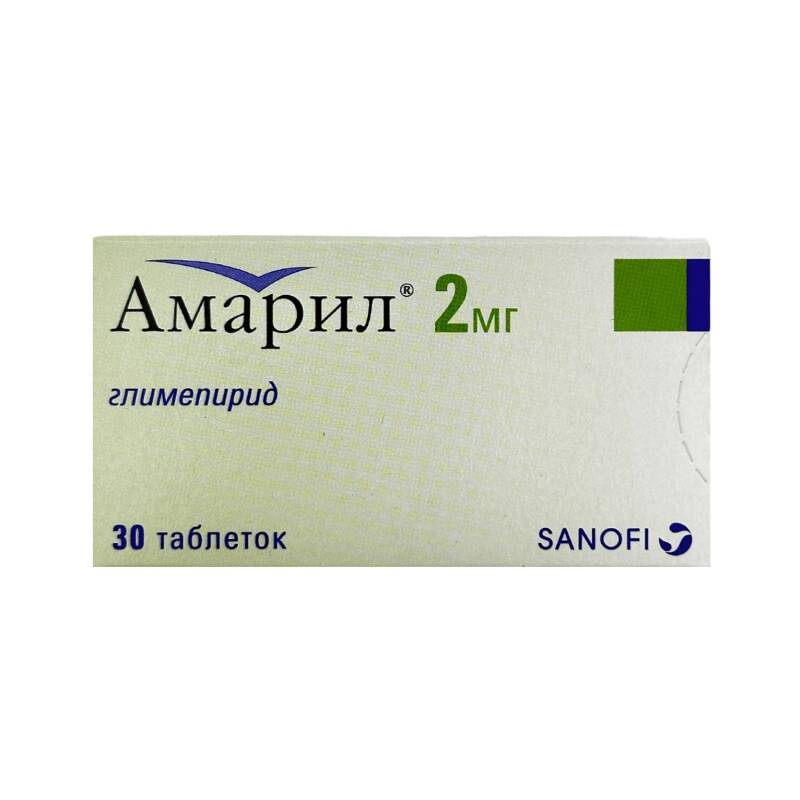
Amaril 2 mg Active ingredient: Each tablet contains 2 mg glimepiride. Excipients: lactose monohydrate, sodium starch glycolate (type A), povidone 25000 (E1201), microcrystalline cellulose (E460), magnesium stearate (E470), yellow iron oxide dye (E172), indigo carmine aluminium lake (E132). Amaril 3 mg Active ingredient: Each tablet contains 3 mg glimepiride. Excipients: lactose monohydrate, sodium starch glycolate (type A), povidone 25000 (E1201), microcrystalline cellulose (E460), magnesium stearate (E470), yellow iron oxide dye (E172), indigo carmine aluminium lake (E132). Amaril 4 mg Active ingredient: Each tablet contains 4 mg glimepiride. Excipients: lactose monohydrate, sodium starch glycolate (type A), povidone 25000 (E1201), microcrystalline cellulose (E460), magnesium stearate (E470), yellow iron oxide dye (E172), indigo carmine aluminium lake (E132).
Indications:
Type 2 diabetes mellitus, when adequate control cannot be achieved using only diet, physical exercise, and/or weight reduction.
Contraindications:
Glimepiride must not be used in the following cases: Hypersensitivity to glimepiride or to any of the excipients of the product, to other sulfonylurea derivatives, or to other sulfonamide preparations (risk of developing hypersensitivity reactions); Type 1 diabetes mellitus; Diabetic coma; Ketoacidosis; Severe impairment of liver function; Severe impairment of kidney function (including patients on hemodialysis); Pregnancy and lactation.
Use during pregnancy and lactation:
The use of glimepiride in pregnant women is contraindicated. During pregnancy planning or during pregnancy, women are switched to insulin treatment. It is not known whether glimepiride passes into breast milk. In rats, glimepiride passes into breast milk. Since other sulfonylurea derivatives pass into breast milk and there is a risk of hypoglycemia developing in breastfed infants, glimepiride is not recommended for women during lactation
For oral use. The basis of successful diabetes treatment is an appropriate diet, regular physical exercise, and also regular monitoring of blood and urine parameters. Failure to follow recommendations regarding the diet regimen cannot be compensated for by medication. Starting dose and dose selection The dose of glimepiride is determined based on the level of glucose in the blood and urine. Starting dose is 1 mg once daily. If metabolic control is achieved during the use of the indicated dose, that dose should be used during maintenance therapy. If necessary, the daily dose may be increased gradually (with intervals of 1–2 weeks). Increasing the dose should be done under glucose level monitoring according to the following schedule: 1 mg – 2 mg – 3 mg – 4 mg. When using doses higher than 4 mg per day, better results can be achieved only in exceptional cases. The maximum recommended daily dose is 6 mg. The time of taking the Amaril preparation and the distribution of the daily dose are determined by the doctor depending on the patient’s lifestyle. Usually, a single daily intake of Amaril during the day is sufficient. The single daily dose is recommended to be taken directly before breakfast or during breakfast; if the daily dose is not taken, it should be taken directly before the main meal or during the main meal. The missed dose should not be made up by taking a higher next dose. The tablets are swallowed without chewing with a sufficient amount of water (about 0.5 cup). After taking Amaril, it is very important not to skip meals. If a hypoglycemic reaction develops in a patient taking glimepiride at a dose of 1 mg per day, this means that diabetes can be controlled only by following a diet. Since improvement of metabolic control is related to increased sensitivity to insulin, the need for glimepiride during treatment may decrease. To prevent hypoglycemia, the dose of Amaril should be reduced in time and/or the intake of the product should be stopped. Adjustment of the glimepiride dose may also be required if the patient’s body weight or lifestyle changes, or if other factors affect the risk of developing hypo- and hyperglycemia. Switching the patient from other oral hypoglycemic medicinal products to glimepiride There is no exact ratio between the doses of glimepiride and other oral hypoglycemic medicinal products. When switching from those products to glimepiride, the starting daily dose of glimepiride should be 1 mg (even if switching is done from the maximum dose of another oral hypoglycemic medicinal product). Increasing the dose of glimepiride should be carried out gradually, taking into account the response to glimepiride based on the recommendations above. The dose and duration of effect of the previously used hypoglycemic agent should be considered. In some cases, especially when using hypoglycemic medicinal products with a long half-life (e.g., chlorpropamide), it may be necessary to temporarily discontinue treatment (for several days) in order to avoid an additive effect that increases the risk of hypoglycemia. Switching the patient from insulin to glimepiride In exceptional cases, for patients with type 2 diabetes who are treated with insulin, switching patients to treatment with glimepiride may be recommended when disease compensation is achieved and the function of the pancreatic beta cells is maintained. Switching the patient to glimepiride treatment should be started with the minimal dose of the product (1 mg) and should be carried out under strict medical supervision. Use in patients with renal and hepatic impairment Information on the use of the product in patients with renal and hepatic impairment is limited (see the Contraindications section). Children and adolescents There is no information on the use of glimepiride in patients under 8 years of age. There is limited information on the use of glimepiride as monotherapy in children aged 8–17 years (see the Pharmacokinetics and Pharmacodynamics sections). The available data on efficacy and safety are not sufficient for use of glimepiride in pediatric practice; therefore, glimepiride is not recommended for use in children. If you forget to take the next dose of the Amaril medicine, do not take a double dose to make up for the missed dose. Stopping treatment with Amaril If you stop treatment, you should know that the desired effect of lowering blood sugar levels will not be achieved and the disease will worsen further. The decision to stop taking Amaril is made only by the doctor.
Product Filters | ||
|---|---|---|
| Supplier Product Code | : | 111-06071 |
 Powered by
T-SOFT
E-Commerce
Powered by
T-SOFT
E-Commerce