English
Azərbaycan
Русский
49 ₼-dən pulsuz çatdırılma
Sifarişimi izlə
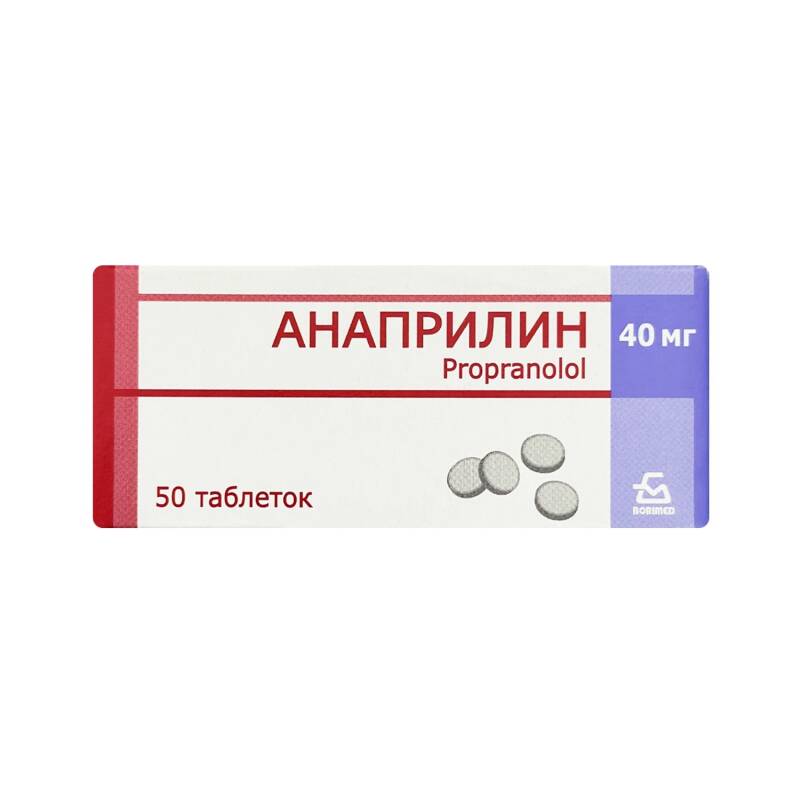
Active ingredient: propranolol hydrochloride - 10.00 mg. Excipients: sucrose (white sugar), calcium stearate monohydrate, potato starch, gelatin, lactose monohydrate (milk sugar). Therapeutic substance: propranolol hydrochloride - 40.00 mg. Excipients: sucrose (white sugar), calcium stearate monohydrate, potato starch, gelatin, lactose monohydrate (milk sugar). Description: White, round, flat cylindrical tablets. Pharmacotherapeutic group: beta-blocker. ATC code: C07AA05. Pharmacological properties. Pharmacodynamics. Non-selective beta-blocker.
It has antianginal, antihypertensive, and antiarrhythmic effects. By non-selectively blocking beta-adrenergic receptors (75% beta1 and 25% beta2-adrenergic receptors), it reduces the formation of cyclic adenosine monophosphate stimulated by catecholamines from adenosine triphosphate, resulting in a decrease in intracellular, negative, intracellular, and adenosine supply. batmo- and inotropic effect (reduces heart rate (HR), inhibits conduction and excitation, reduces myocardial contractility). At the beginning of beta-blocker use, total peripheral vascular resistance increases during the first 24 hours (as a result of the mutual increase in activity of alpha-adrenergic receptors and the elimination of stimulation of beta2-adrenergic receptors in the blood vessels of skeletal muscles), but returns to the initial level after 1–3 days in the blood vessels of skeletal muscles.
decreases. The antihypertensive effect is associated with a decrease in cardiac output, sympathetic stimulation of peripheral vessels, and a reduction in the activity of the renin-angiotensin system (important in patients with initial hypersecretion of renin), as well as with decreased sensitivity of the baroreceptors of the aortic arch (there is no increase in their activity) in response to a decrease in central pressure. The antihypertensive effect stabilizes by the end of the 2nd week of treatment. The antianginal effect is related to a decrease in myocardial oxygen demand (due to negative chronotropic and inotropic effects).
A decrease in heart rate leads to prolongation of diastole and improved myocardial perfusion. By increasing the end-diastolic pressure of the left ventricle and increasing the stretch of ventricular muscle fibers, it may increase oxygen demand, especially in patients with chronic heart failure. - due to the decrease. The antiarrhythmic effect is associated with a reduction in the spontaneous firing rate of sinus and ectopic pacemakers and slowing of pacemaker activity of arrhythmogenic factors (tachycardia, increased activity of the sympathetic nervous system, increased cyclic adenosine monophosphate, arterial hypertension). Slowing of impulse conduction is observed mainly in the anterograde direction and to a lesser extent in the retrograde direction along the atrioventricular node and additional pathways.
According to the Vaughan-Williams classification of antiarrhythmic drugs, it belongs to Group II drugs. Reduction of the severity of myocardial ischemia and of myocardial oxygen demand; due to antiarrhythmic effects, post-infarction mortality may also decrease. Its ability to prevent the development of vascular-type headaches is related to the reduction in the severity of dilation of cerebral blood vessels as a result of beta-blockade of vascular receptors, inhibition of lipolysis caused by platelet aggregation and catecholamines, reduction of platelet adhesion, reduction of platelet adhesion ability, and prevention of activation of stimulating factors for the release of blood coagulation. decrease in tissues and in renin secretion.
With the use of propranolol, tremor reduction may be due to blockade of beta2-adrenergic receptors. It increases the atherogenic properties of blood. Enhances uterine contractions (caused by spontaneous and drugs that stimulate the myometrium). Increases the tone of the bronchi.
At high doses, it has a sedative effect. Pharmacokinetics. Absorption: When taken orally, it is absorbed quickly and sufficiently completely (90%) from the gastrointestinal tract and is eliminated from the body relatively quickly. The maximum concentration in blood plasma is reached 1–1.5 hours after oral administration. After oral administration, bioavailability is 30–40% (effect of “first pass” through the liver, microsomal oxidation); it increases with long-term use (metabolites are formed that inhibit liver enzymes). The amount of bioavailability depends on the nature of food and the intensity of hepatic blood flow.
When taking protein-rich foods, bioavailability increases to 50%. Distribution: Binding to blood plasma proteins (albumin and alpha-1 acid glycoprotein) is 90–95%. Volume of distribution: 3–5 l/kg. It crosses the blood-brain barrier and the placental barrier, and also passes into breast milk.
Metabolism: Propranolol is a P-glycoprotein substrate. It has been shown that propranolol metabolism is not affected by P-glycoprotein in the usual therapeutic dose range. Propranolol is extensively metabolized in the liver by three main pathways: aromatic hydroxylation (42%), N-dealkylation followed by oxidation (41%), and direct glucuronidation (17%). The proportions of propranolol metabolic pathways may vary significantly in individual cases.
Based on in vitro studies, cytochrome P450 system isoenzymes participate in propranolol metabolism, mainly the CYP2D6 isoenzyme (aromatic hydroxylation), CYP1A2 isoenzyme (chain oxidation), and to a lesser extent CYP2C19. Four main metabolites have been identified: propranolol glucuronide, naphthyl oxyacetic acid, glucuronic acid, and complex sulfate conjugates of 4-hydroxypropranolol. In healthy volunteers who are “fast” and “slow” metabolizers of the CYP2D6 isoenzyme, no significant differences in propranolol clearance and half-life were found. Elimination: Half-life is 3–6 hours; in the background, of course, it may be the main tremor; • migraine (prevention of attacks); • as an adjunct in the treatment of thyrotoxicosis and thyrotoxic crisis (in case of intolerance to antithyroid drugs); • in the setting of diencephalic syndrome, the syndrome of sympathoadrenal crises.
• Hypersensitivity to propranolol or any component of the product; • atrioventricular block of II–III degree; • sick sinus syndrome (including sinus auricular (sinoatrial) block); bradycardia (heart rate less than 60 beats per minute); • arterial hypotension (systolic blood pressure less than 100 mm Hg); • chronic heart failure (NYHA class III–IV) according to national classification (FC); • acute heart failure; · • acute myocardial infarction; cardiogenic shock; • pulmonary edema; • Prinzmetal’s angina; • cardiomegaly (without signs of heart failure); • severe peripheral vascular disease (Raynaud’s syndrome); • rare hereditary intolerance to galactose, lactase deficiency, sucrose/isomaltase deficiency, fructose intolerance, malabsorption of glucose-galactose (the product contains sucrose and lactose monohydrate); • metabolic acidosis (including diabetic ketoacidosis); • bronchial asthma, tendency to bronchospastic reactions; chronic obstructive pulmonary disease (including history); • pheochromocytoma (without simultaneous use of alpha-adrenergic blockers); • spastic colitis; • simultaneous use with antipsychotics (neuroleptics), anxiolytics (chlorpromazine, trioxazine, etc.), monoamine oxidase inhibitors (MAO), slow calcium channel blockers (SCBC) (“See the section on Drug Interactions with Other Medicines”);
breastfeeding period; under 18 years of age (efficacy and safety have not been established). Use with caution: • hepatic and/or renal impairment; hyperthyroidism; • myasthenia gravis; • chronic heart failure FC I–II; pheochromocytoma (when used simultaneously with alpha-adrenergic blockers); • psoriasis; • peripheral blood circulation disorders; • history of complex allergy; • first-degree atrioventricular block; • elderly age; • respiratory diseases; diabetes mellitus. Use during pregnancy and breastfeeding. Pregnancy: Propranolol use during pregnancy is not recommended. Therefore, women with preserved reproductive potential should exclude pregnancy before starting to take the medicine and use reliable contraception methods during treatment. If pregnancy is confirmed during treatment with the medicine, you should stop taking it as soon as possible and transfer the patient to other medicines that pose the least risk to the child.
If beta-blockers are necessary during pregnancy, it is better to use selective beta1-blockers. Treatment should be discontinued 48–72 hours before delivery. If this is not possible, it is necessary to monitor uteroplacental blood flow and fetal growth, and also ensure intensive monitoring of the newborn during the first 3 days after birth. Breastfeeding period: Propranolol passes into breast milk.
If it is necessary to use the Anaprilin preparation during breastfeeding, breastfeeding should be discontinued.
and machinery: The effect of Propranolol on the ability to drive vehicles and operate machinery has not been studied. During treatment, due to the possibility of side effects such as dizziness, drowsiness, and a decrease in the speed of psychomotor reactions, caution is required when driving vehicles and engaging in other potentially dangerous activities that require increased attention and the speed of psychomotor reactions. Dosage form: Tablets 10 mg and 40 mg. In blisters made of polyvinyl chloride film and printed varnished aluminum foil or paper coated with polyethylene, 10 or 20 tablets.
In polymer jars with screw caps or flip-top caps made of polypropylene or high- or low-density polyethylene or high-density suspended polyethylene, 50 or 100 tablets. Each jar and/or 2, 3, 5, or 10 blister packs is placed in a cardboard box together with instructions for use. Storage conditions
Anaprilin is taken in a small dose before meals with a liquid amount. For arterial hypertension: 40 mg twice daily. If the hypotensive effect is insufficient, the dose is increased to 40 mg three times daily with weekly intervals or up to 80 mg twice daily. The maximum daily dose is 320 mg.
For angina pectoris and rhythm disorders of the heart: the initial dose is 20 mg three times daily (2 tablets of 10 mg or 1/2 tablet of 40 mg), then the dose is increased to 80–120 mg in 2–3 doses with weekly intervals. The maximum daily dose is 240 mg. Prevention of recurrent myocardial infarction: it is recommended to start therapy between 5 and 21 days after myocardial infarction; therapy at a dose of 40 mg four times daily for 2–3 days, then 80 mg twice daily. For diencephalic syndrome, it is recommended to use an initial dose of 40 mg 2–3 times daily to prevent migraine attacks accompanied by sympathoadrenal crises; if necessary, the dose is gradually increased up to 160 mg/day with weekly intervals.
For pheochromocytoma, use only in combination with alpha-adrenergic receptor blockers. Use at a dose of 60 mg per day for 3 days before surgery. For non-operated malignant pheochromocytoma, a dose of 30 mg per day is used. As an adjunct in the treatment of thyrotoxicosis and thyrotoxic crisis: 10–20 mg 3–4 times per day.
If necessary, it is possible to increase the dose to 120–160 mg per day in 2–3 doses. Special patient groups. Use in patients with impaired liver function: In patients with impaired liver function, the bioavailability of propranolol may increase, which may require dose adjustment. In patients with severe liver dysfunction, under heart rate monitoring, the initial dose of the drug should not exceed 20 mg three times daily. Use in patients with impaired kidney function: In case of impaired renal function, it is necessary to reduce the initial dose and/or increase the interval between doses (an increase in the concentration of propranolol in blood plasma is possible).
Side effects: The following classification is used to determine the frequency of occurrence of adverse reactions: Very common (≥1/10); Common (≥1/100 and <1/10); Uncommon (≥1/1000 and <1/100); Rare (≥1/10000 and <1/1000); Very rare (<1/10000); Frequency unknown: based on available data. Psychiatric disorders: very common sleep disorders (insomnia, drowsiness); common anxiety (long-lasting arousal accompanied by anxiety), nightmares, irritability; depression, convulsions, catatonia, decreased speed of psychomotor reactions—frequency unknown. Disorders of the visual organ: rarely—dryness of the eye mucous membrane (decreased secretion of tear fluid), impaired visual acuity; frequency unknown—keratoconjunctivitis. Cardiac disorders: rarely—atrioventricular block; rarely—bradycardia, heart failure, palpitations, impaired myocardial conduction, arrhythmia, chest pain. Vascular disorders: common—cold extremities; rarely—significant decrease in blood pressure, orthostatic hypotension, vasospasm, mesenteric thrombosis, Raynaud’s syndrome.
Disorders of the respiratory system, chest and mediastinal organs: very common—bronchitis; common—bronchiolitis; rarely—rhinitis, nasal congestion, bronchospasm (sometimes fatal), laryngospasm; frequency unknown—shortness of breath. From the gastrointestinal tract: rarely—nausea, vomiting, diarrhea, epigastric pain, taste changes; frequency unknown—dry mouth mucous membrane, ischemic colitis, constipation. Disorders of the liver and biliary tract: frequency unknown—impaired liver function. Disorders of the skin and subcutaneous tissue: rarely—alopecia; frequency unknown—exacerbation of psoriasis, increased sweating, skin hyperemia, exanthema, skin reactions similar to psoriasis, Stevens-Johnson syndrome, toxic epidermal necrolysis, exfoliative dermatitis, erythema multiforme, skin rash, itching.
Musculoskeletal system and connective tissue disorders: frequency unknown—arthralgia, muscle weakness, back or joint pain. Disorders of the genital organs and breast glands: frequency unknown—decreased libido, decreased potency, Peyronie’s disease. General disorders and conditions at the injection site: frequency unknown—chest pain, withdrawal syndrome, asthenic syndrome (weakness), increased fatigue. Laboratory and instrumental data: frequency unknown—increased activity of “liver” transaminases and bilirubin concentration, increased titer of antinuclear antibodies, hyperkalemia.
Symptoms of overdose: Bradycardia, decreased blood pressure, atrioventricular block, slowed intraventricular conduction, heart failure, bronchospasm, hypoglycemia. Seizures are possible because propranolol crosses the blood-brain barrier. Treatment: Gastric lavage, administration of activated charcoal. It is necessary to monitor the main vital signs, blood glucose level, and psycho-emotional state.
If atrioventricular conduction is impaired, 1–2 mg atropine is administered intravenously; if effectiveness is insufficient, a temporary pacemaker is indicated. For ventricular extrasystoles/lidocaine injection. When blood pressure decreases, the patient should be in the Trendelenburg position. If there are no signs of pulmonary edema, plasma substitute solutions are administered intravenously; if ineffective, epinephrine (adrenaline), dopamine, dobutamine.
For heart failure, cardiac glycosides, diuretics, glucagon. For convulsions—intravenous administration of diazepam. For bronchospasm—beta-adrenergic agonists (inhalation or parenteral), intravenous administration of aminophylline. Hemodialysis is ineffective.
Drug interactions with other medicines: The antihypertensive effect of propranolol is enhanced when combined with diuretics, reserpine, hydralazine and other antihypertensive drugs (angiotensin-converting enzyme inhibitors, angiotensin I receptor antagonists, alpha-blockers), as well as with ethanol. When used simultaneously with centrally acting antihypertensive drugs (clonidine, guanfacine, moxonidine, methyldopa, rilmenidine), the course of heart failure may worsen due to decreased sympathetic tone (decreased heart rate and cardiac output, increased symptoms of vasodilation). If these drugs are stopped abruptly, especially before stopping propranolol, the development of “rebound” arterial hypertension is possible. Simultaneous use with BMCC of the dihydropyridine series (amlodipine, felodipine, lacidipine, nifedipine, nicardipine, nimodipine, nitrendipine) may increase the risk of developing arterial hypotension.
An increased risk of further reduction of myocardial contractility in patients with heart failure cannot be ruled out. Propranolol should be discontinued several days before stopping clonidine (“See the section on Special instructions”). Drugs that cause orthostatic hypotension (nitrates, phosphodiesterase 5 inhibitors, tricyclic antidepressants, antipsychotics, dopamine receptor agonists, levodopa, amifostine, baclofen, etc.) may enhance the effect of beta-blockers. The antihypertensive effect is weakened by non-steroidal anti-inflammatory drugs (which block prostaglandin synthesis by sodium retention and the kidneys), estrogens (sodium retention) and inhibitors.
Cimetidine increases the bioavailability of propranolol. Propranolol increases the concentration of lidocaine in blood plasma and reduces the clearance of theophylline. Simultaneous use with phenothiazine derivatives increases the concentration of both drugs in blood plasma. It enhances the effects of thyrostatic and uterotonic drugs; it reduces the effects of antihistamines.
It increases the likelihood of severe systemic reactions (anaphylaxis) associated with the administration of allergens used for immunotherapy or skin testing. Amiodarone, verapamil and diltiazem increase the severity of the negative chrono-, ino- and dromotropic effects of propranolol. For intravenous administration, radiocontrast preparations containing iodine increase the risk of anaphylactic reactions. When phenytoin is administered intravenously, drugs for general inhalation anesthesia (hydrocarbon derivatives) increase the severity of the cardiodepressive effect and the likelihood of a drop in blood pressure.
Changes the effectiveness of insulin and oral hypoglycemic drugs, masking the developing symptoms of hypoglycemia (tachycardia, increased blood pressure). Propranolol reduces the clearance of xanthines (except diphylline). The antihypertensive effect of propranolol is weakened by glucocorticosteroids. steroids.
Cardiac glycosides, methyldopa, reserpine, quanfasin and antiarrhythmic preparations increase the risk of developing or worsening bradycardia, atrioventricular block, cardiac arrest and heart failure. Simultaneous use of propranolol and nifedipine may cause a significant decrease in blood pressure. It prolongs the effect of a non-depolarizing muscle relaxant and the anticoagulant effect of warfarin. Special instructions: In patients with untreated chronic heart failure, beta-blockers should not be used until the condition stabilizes.
Before using the medicine, patients with heart failure (early stages) should use cardiac glycosides and/or diuretics. Monitoring of patients receiving the drug should include monitoring heart rate and blood pressure (daily at the beginning of treatment, then once every 3–4 months), and recording an electrocardiogram. In elderly patients, it is recommended to monitor kidney function (every 4–5 months). If increased bradycardia (less than 60 beats/min), arterial hypotension (systolic blood pressure less than 100 mm Hg), atrioventricular block, bronchospasm, ventricular arrhythmias, or severe impairment of liver and/or kidney function occurs in elderly patients, the dose of the drug should be reduced or discontinued.
The drug should be used with caution in patients with first-degree atrioventricular block. The patient should be taught how to calculate heart rate, and instructed about the need for medical advice if the heart rate is less than 60 beats/min. If depression develops as a result of taking beta-blockers, discontinuation of therapy is recommended. Patients using contact lenses should be aware that during treatment with beta-blockers, tear production may decrease.
Long-term use of the drug is possible for the treatment of coronary heart disease and persistent arterial hypertension. for several years. Discontinuation of treatment is carried out gradually under the supervision of a physician: abrupt withdrawal may sharply increase myocardial ischemia, worsen the anginal syndrome, and reduce exercise tolerance. Discontinuation is carried out gradually by reducing the dose by 25% every 3–4 days for 2 weeks or more.
When deciding to use Anaprilin in patients with psoriasis, it is necessary to carefully weigh the expected benefits and the possible risk of exacerbation of psoriasis. During thyrotoxicosis, propranolol may mask certain clinical signs related to thyroid hyperfunction (for example, tachycardia). In patients with hyperthyroidism, abrupt discontinuation is contraindicated because it may worsen symptoms. Isolated reports of myasthenia gravis have been reported during treatment with propranolol.
If muscle weakness occurs, consult a doctor. In patients with diabetes mellitus, the drug is used under monitoring of blood glucose concentration (once every 4–5 months). Use with caution when combined with hypoglycemic agents, because hypoglycemia may develop during long intervals between meals, as well as during insulin therapy. In addition, symptoms such as tachycardia or tremor may be masked by the drug’s effect.
The patient should be instructed that the main symptom of hypoglycemia during treatment with the drug is increased sweating. There is also a risk of hyperglycemia when taking oral hypoglycemic agents. When taken simultaneously with clonidine, propranolol can be discontinued a few days after stopping clonidine. For pheochromocytoma, it is used only in combination with alpha-blockers.
Do not use simultaneously with antipsychotic drugs (neuroleptics) and tranquilizers. Beta-blockers may increase sensitivity to allergens and the severity of anaphylactic reactions. When propranolol is applied to patients with severe anaphylactic reactions to these allergens, it may cause severe reactions to a number of allergens. These patients may not respond to usual doses of epinephrine (adrenaline) used to treat anaphylactic shock.
Drugs that reduce catecholamine reserves (for example, reserpine) may enhance the effect of beta-blockers; therefore, patients taking the combination should be under continuous medical supervision to detect arterial hypotension and bradycardia. During treatment with propranolol, intravenous administration of verapamil and diltiazem should be avoided. When used in a course longer than 2 weeks, use with caution in combination with psychotropic drugs, for example MAO inhibitors. It is necessary to stop taking the drug a few days before general anesthesia with chloroform or ether (increased risk of depression of cardiac function and development of arterial hypotension).
It is necessary to warn the anesthesiologist that the patient is taking propranolol. In smokers, the effectiveness of beta-blockers is lower. The drug should be stopped before checking the content of catecholamines, normetanephrine and vanillylmandelic acid in blood and urine; titers of antinuclear antibodies. In case of a respiratory infection of the lower respiratory tract accompanied by breathing difficulty, drug treatment should be discontinued.
Use of beta2-agonists and inhaled glucocorticosteroids is allowed. Resumption of use of the drug is possible only after the patient has fully recovered. In case of recurrent infection, as well as in isolated bronchospasm, the use of the drug should be completely discontinued. It is not recommended to drink alcohol during treatment (a sharp decrease in blood pressure is possible).
In patients with peripheral blood circulation disorders, beta-blockers should be used with caution, as these symptoms may worsen. Avoid using natural bile during treatment; protein-rich foods may increase bioavailability. When propranolol is administered, it may give a positive result in a doping test.
Product Filters | ||
|---|---|---|
| Supplier Product Code | : | 111-20251 |
 Powered by
T-SOFT
E-Commerce
Powered by
T-SOFT
E-Commerce