 EN − AZN

Concentration Problems: Causes and Effective Solutions
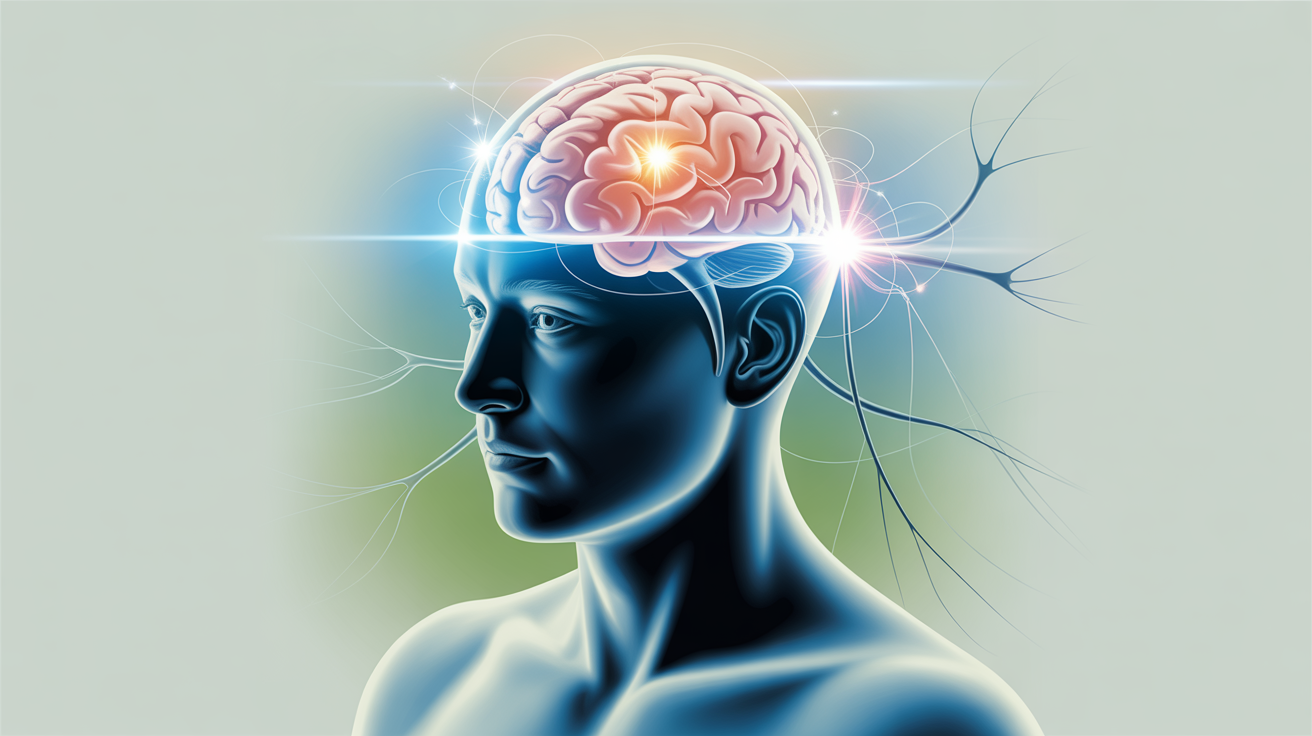
If you find it difficult to focus during the day, struggle to stay attentive at work, or frequently experience attention problems, fatigue and tiredness, this situation may not be random. Concentration issues are often the result of signals related to the brain, nervous system, stress levels, and nutritional deficiencies. To address the problem correctly, it is important to understand its main causes.
Why do concentration problems occur?
Mental overload and information pressure
In modern life, the brain processes a huge amount of information simultaneously. Constant screen exposure, notifications, and multitasking quickly exhaust mental resources. As a result, focus weakens and memory performance declines.
Fatigue and lack of energy
Fatigue and tiredness are among the most common enemies of concentration. When energy levels are low, the brain cannot function efficiently, making it difficult to maintain attention for long periods.
Stress and the nervous system
Long-term stress keeps the nervous system in a constant state of tension. This not only reduces concentration but may also lead to various nerve-related pains. Muscle tightness in the neck and back can indirectly affect brain performance and mental clarity.
The connection between the brain and blood circulation
Healthy brain function depends on proper blood circulation. Symptoms of impaired cerebral blood circulation may include difficulty concentrating, a feeling of heaviness in the head, and rapid mental exhaustion. While these symptoms should not be immediately associated with serious neurological conditions, they should not be ignored either.
The role of vitamins and minerals
Concentration problems are often linked to deficiencies in certain vitamins and minerals:
-
Vitamin B12 – plays a key role in nerve signal transmission
-
Magnesium – helps reduce stress and supports nervous system relaxation
-
Omega-3 fatty acids – support brain cell structure and cognitive function
For daily support, the following products may be considered:
Practical ways to improve concentration
Regulate your sleep routine
Quality sleep is essential for brain recovery. Sleep deprivation directly affects focus and mental performance.
Pay attention to nutrition
A balanced diet combined with adequate intake of essential vitamins and minerals supports brain function and attention.
Manage stress effectively
Breathing exercises, short breaks during work, and regular physical activity help lower stress levels and improve concentration.
Stimulate the brain
Simple brain games and attention exercises can help strengthen focus and cognitive flexibility.
Frequently Asked Questions
Is poor concentration always a sign of a serious brain disorder?
No. In most cases, it is related to stress, fatigue, or vitamin deficiencies. However, persistent or worsening symptoms should be evaluated by a specialist.
Do vitamins really improve concentration?
Yes. If there is a deficiency in nutrients such as B12, magnesium, or omega-3, proper supplementation can have a positive effect on focus and mental clarity.
How does the nervous system affect concentration?
When the nervous system is under constant stress, the brain struggles to process information efficiently, leading to attention difficulties.
Conclusion
Concentration problems rarely have a single cause. The brain, nervous system, stress levels, and vitamin balance are closely interconnected. With timely lifestyle adjustments, proper stress management, and appropriate nutritional support, it is possible to restore focus and mental performance. The key is recognizing and responding to the body’s signals early.