 EN − AZN

Why Does the Craving for Sweets Increase in the Evening?
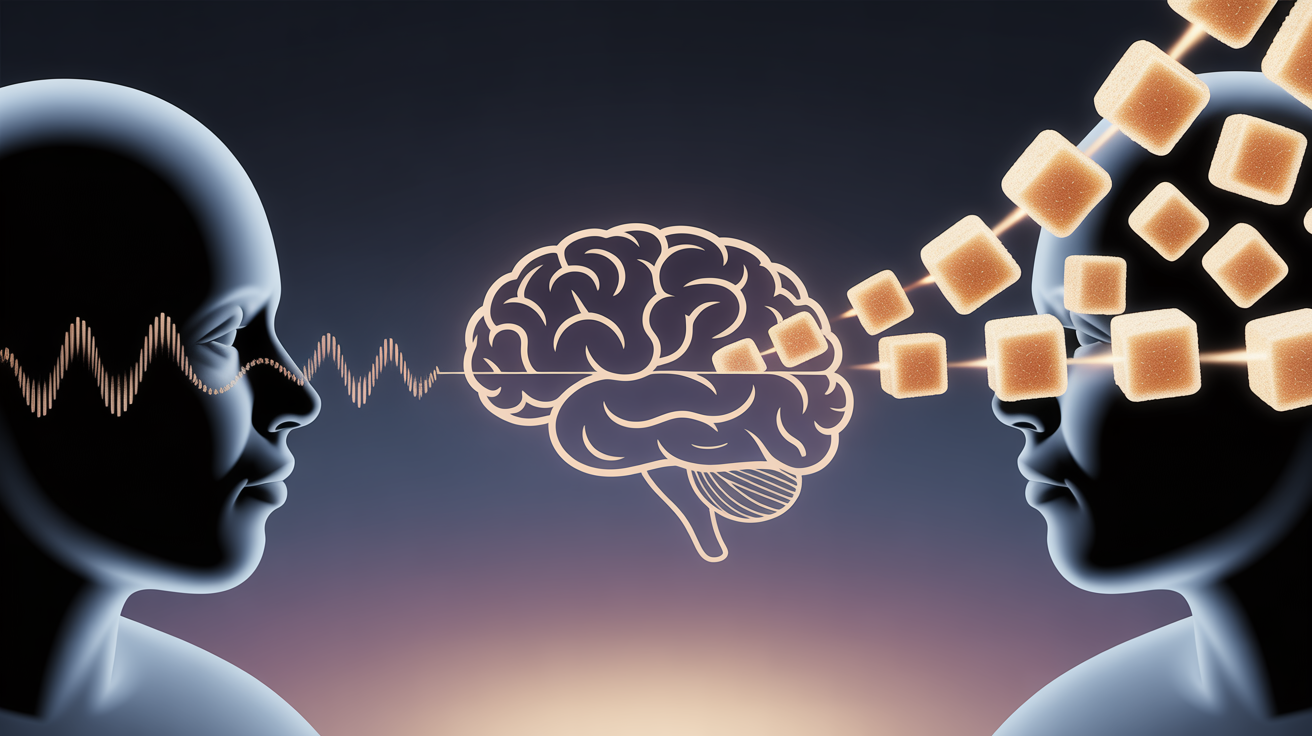
Many people eat in a balanced way throughout the day but experience a sudden craving for sweets in the evening. This phenomenon is not just about habits or lack of willpower. Evening sweet cravings are directly linked to glucose, insulin, dopamine, serotonin, cortisol, and metabolism. Over time, this pattern may contribute to chronic fatigue, low energy levels, and even increase the risk of diabetes.
What Causes Sweet Cravings in the Evening?
Changes in Glucose and Insulin Balance
After meals, blood glucose levels rise, and insulin is released to regulate this increase. Toward the evening:
-
Blood glucose levels may drop
-
Fluctuations or excess insulin activity may occur
-
The brain demands quick energy sources such as sugar
If this pattern repeats frequently, an insulin resistance analysis may be necessary.
Dopamine and the Brain’s Reward System
Understanding what dopamine is helps explain evening sugar cravings. Dopamine activates the brain’s reward mechanism. By the end of the day:
-
Energy levels decrease
-
Chronic fatigue becomes more noticeable
-
The brain seeks comfort and reward through sweets
This explains why searches for dessert recipes increase in the evening.
Serotonin, Stress, and Emotional Hunger
Decreased Serotonin Levels
Serotonin plays a key role in mood regulation. In the evening:
-
Serotonin levels naturally decline
-
Emotional emptiness or tension may appear
-
People turn to fast comfort foods like sugar and honey
This effect is stronger during periods of stress.
Cortisol and Evening Stress
Cortisol, the stress hormone, often fluctuates toward the end of the day:
-
Cortisol imbalance increases
-
The body seeks relaxation through food
-
Carbohydrates become more appealing
Poor food choices at this time can negatively affect metabolism.
Melatonin and Night-Time Hunger
In the evening, melatonin production begins. While melatonin prepares the body for sleep, it may also:
-
Disrupt appetite signals
-
Increase late-night food cravings
Although melatonin has benefits, melatonin supplements should only be used under medical supervision.
Metabolism and Evening Eating Habits
What Is Metabolism and Why Does It Slow Down in the Evening?
Metabolism naturally slows later in the day. As a result:
-
Speeding up metabolism becomes difficult
-
Carbohydrate-rich foods are more easily stored as fat
Over time, this may increase the risk of diabetes-related symptoms.
How to Reduce Evening Sweet Cravings
To help manage evening cravings:
-
Support the nervous system and stress balance
-
Ensure adequate intake of magnesium and B-group vitamins
-
Learn to distinguish emotional hunger from physical hunger
In this context, Magnimax N60 cap (containing magnesium and B vitamins) and Solgar Vitamin B-Complex 50 mg N50 cap may be used, under medical advice, to support nervous system function and energy balance.
When Are Sweet Cravings a Warning Sign?
Evening cravings require attention if:
-
Symptoms of diabetes are present
-
Questions such as “why does diabetes develop?” arise
-
Dietary restrictions for diabetes become relevant
-
Blood sugar levels in children are a concern
In such cases, professional medical consultation is recommended.
Frequently Asked Questions
Are evening sweet cravings normal?
Occasional cravings can be normal, but persistent cravings may indicate metabolic or hormonal issues.
Are sweet cravings linked to diabetes?
Yes. In individuals with diabetes or prediabetes, sweet cravings may be more pronounced.
Is it okay to eat carbohydrates in the evening?
Yes, if portion size and food type are carefully selected.
Can sweet cravings be reduced?
Yes. Managing stress, improving diet quality, and supporting hormonal balance can significantly reduce cravings.
Conclusion
Evening cravings for sweets are not random. They are closely connected to glucose, insulin, dopamine, serotonin, cortisol, and metabolism. When uncontrolled, this habit may increase the risk of diabetes, fatigue, and metabolic disorders. A balanced lifestyle, stress management, and—when appropriate—medical use of supplements such as Magnimax N60 cap and Solgar Vitamin B-Complex 50 mg N50 cap can help restore balance and reduce evening sugar cravings.