English
Azərbaycan
Русский
59 ₼ və üzəri sifarişlərə pulsuz çatdırılma
Sifarişimi izlə
Fish oil is one of the most sought-after dietary supplements, yet many people are unsure which product to choose, how much to take, or who can benefit from it. Containing the omega-3 fatty acids EPA and DHA, fish oil supports heart, brain, eye, joint, and skin health. In this article, you will learn about the benefits of fish oil, how to take it, potential risks, and quality options available at Avis Medical Market.

Fish oil capsules are a convenient source of the omega-3 fatty acids EPA and DHA.
Fish oil is extracted from oily fish such as salmon, sardines, mackerel, and anchovies. Its main active components are two omega-3 fatty acids:
| Fatty Acid | Full Name | Main Functions |
|---|---|---|
| EPA | Eicosapentaenoic acid | Supporting the body's inflammatory response and cardiovascular health; lowering triglycerides |
| DHA | Docosahexaenoic acid | Brain, eye, and nervous system health; infant development |
ALA, found in walnuts, flaxseeds, and chia seeds, is a type of omega-3. However, only a small amount is converted into EPA in the body, and even less into DHA. Many of the benefits discussed in research relate primarily to EPA and DHA.
EPA may lower triglyceride levels by 15–30%, help regulate blood pressure, and support arterial flexibility. For people at high risk of cardiovascular disease, high-dose prescription EPA (icosapent ethyl) has been studied extensively and is included in certain countries' clinical recommendations when used under medical supervision.
DHA is a structural component of brain tissue. Adequate DHA intake may help support attention and learning. During pregnancy, DHA is important for the baby's brain and eye development.
DHA is a major fatty acid in the retina. Some studies have suggested a potential role for DHA in reducing the risk of age-related macular degeneration (AMD). Omega-3 supplementation has also been reported to provide relief for some people with dry eye symptoms.
EPA's anti-inflammatory properties may help reduce symptoms such as stiffness and swelling in joint conditions including rheumatoid arthritis. Fish oil does not replace prescribed medication, but it may provide complementary support.
Omega-3 fatty acids help support the skin's moisture barrier and may reduce inflammation, potentially improving skin conditions such as eczema and psoriasis. Evidence for reducing hair loss, however, remains limited.
Several clinical studies have reported potential benefits of EPA for depressive symptoms. Fish oil is not a substitute for psychiatric treatment, although it may be considered as a complementary approach.

Eating oily fish two to three times a week is a natural way to obtain EPA and DHA.
Eating oily fish two to three times per week can be an alternative to taking fish oil supplements:
| Fish | Omega-3 (per 100 g) | Notes |
|---|---|---|
| Mackerel | ~2.6 g | Among the richest and most accessible sources |
| Atlantic Salmon | ~2.2 g | Also provides vitamin D |
| Sardines (Canned) | ~1.5 g | Also rich in calcium |
| Anchovies | ~1.0 g | Suitable for regular consumption |
| Cod Liver Oil | ~2.7 g + vitamins A and D | A traditional supplement option |
For general health, 250–500 mg of EPA + DHA per day is commonly mentioned in dietary recommendations. Higher doses may be used for specific medical purposes, such as managing triglycerides or inflammation, but only under a doctor's guidance.
Common side effects include a fishy aftertaste or breath, nausea, and gastrointestinal discomfort. Taking fish oil during a meal may help reduce these symptoms.

Taking fish oil with meals may help reduce digestive side effects.
Explore a selection of omega-3 supplements available at Avis Medical Market:
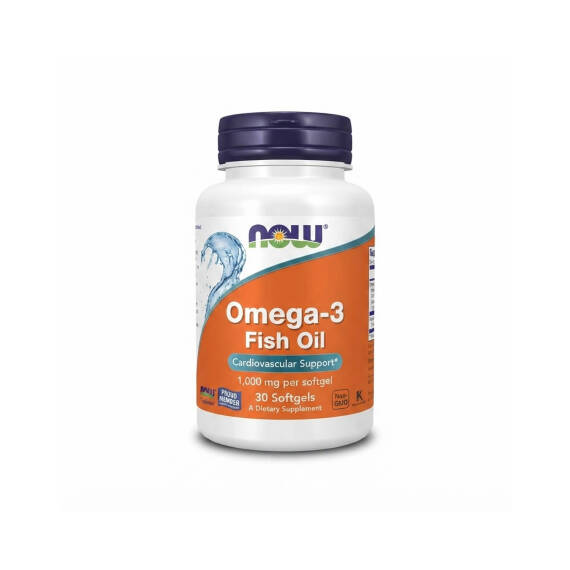


As a source of the omega-3 fatty acids EPA and DHA, fish oil is taken to support cardiovascular health, brain function, eye health, joint mobility, and skin hydration. Doctors may also recommend certain omega-3 products for people with high triglycerides or specific cardiovascular risks, or during pregnancy.
It depends on the EPA + DHA content of each capsule. A commonly cited general intake is 250–500 mg of EPA + DHA per day. One capsule may provide that amount, while other products may require two or three. Always check the EPA + DHA amounts on the label rather than relying on the total fish oil weight.
Taking it with a meal is generally the most practical approach, as this can help reduce digestive discomfort, a fishy aftertaste, and nausea. Morning versus evening is largely a matter of personal convenience; there is no clear evidence that one is inherently better.
Products designed specifically for children are available, including chewable, liquid, and lower-dose formulations. DHA is important for children's brain and eye development. However, a pediatrician should determine the appropriate dose, and adult high-dose capsules may not be suitable.
Fish oil is not a direct weight-loss treatment. Some research has explored possible effects on metabolism, insulin sensitivity, and inflammation, but evidence for meaningful weight loss is limited. Fish oil alone will not replace a balanced diet and regular physical activity.
That depends on your goal. Long-term use may be appropriate for some people as part of their nutritional routine. For a specific medical condition, a doctor should decide the dosage and duration. Some outcomes may be assessed after approximately 6–12 weeks of consistent use, although the timeframe varies.
Fish oil is a concentrated source of the omega-3 fatty acids EPA and DHA. It is among the world's most popular dietary supplements and may help support heart, brain, eye, joint, and skin health. Choosing the right product, understanding the actual EPA + DHA content, and using it appropriately are essential.
At avismed.az, you can explore a selection of omega-3 products and, with guidance from a healthcare professional, choose an option suited to your individual needs.
 Powered by
T-SOFT
E-Commerce