English
Azərbaycan
Русский
59 ₼ və üzəri sifarişlərə pulsuz çatdırılma
Sifarişimi izlə
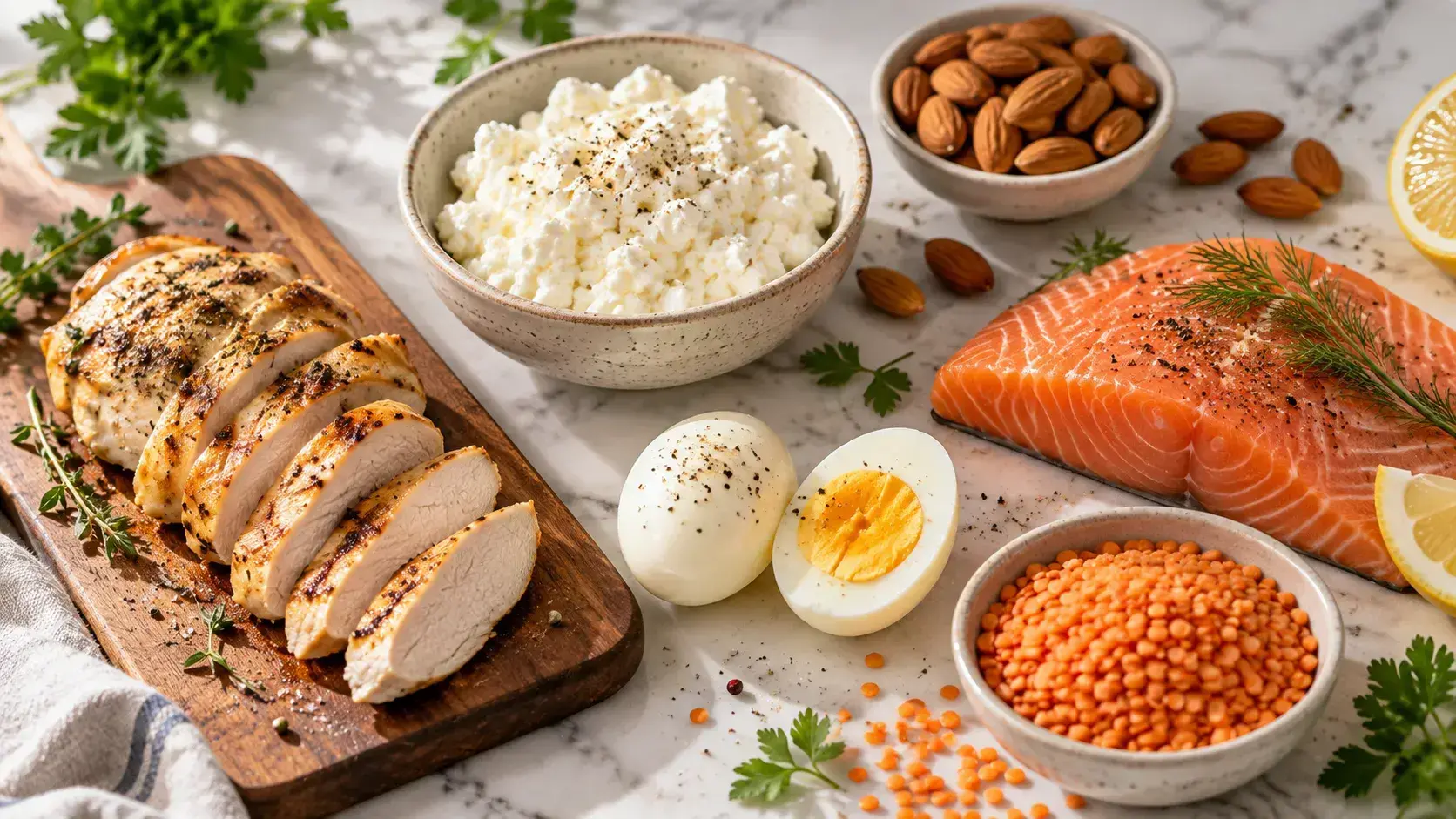
Protein-Rich Foods: Protein Sources, Daily Requirements, and Muscle Support. When people think about protein, they often imagine gyms, heavy weights, and protein powders. However, the human body needs protein every day, not only for muscle growth but also for essential functions such as immune defense, hormone production, tissue repair, and healthy hair and skin. In this article, you will discover the best protein-rich foods, how much protein your body needs each day, the role of amino acids in muscle recovery, and what to consider when choosing sports nutrition supplements.
Protein is one of the body's essential macronutrients, made up of smaller building blocks called amino acids. Unlike carbohydrates and fats, the body does not maintain a dedicated long-term storage reserve of protein. Therefore, regular dietary intake is important. Of the 20 amino acids commonly used to build proteins, nine are essential amino acids. The body cannot produce these in sufficient amounts, so they must be obtained from food.
Physical exercise creates stress in muscle tissue. Protein provides amino acids needed to repair muscle fibers and support muscle adaptation and growth following training.
Antibodies, many immune signaling molecules, and numerous cellular components depend on proteins. Inadequate protein intake can negatively affect normal immune function.
Protein-rich foods can help increase feelings of fullness and may support appetite regulation. Including sufficient protein in meals can be useful for weight management.
Keratin is a structural protein found in hair and nails, while collagen supports the structure of skin and connective tissues. Protein deficiency may negatively affect these tissues.
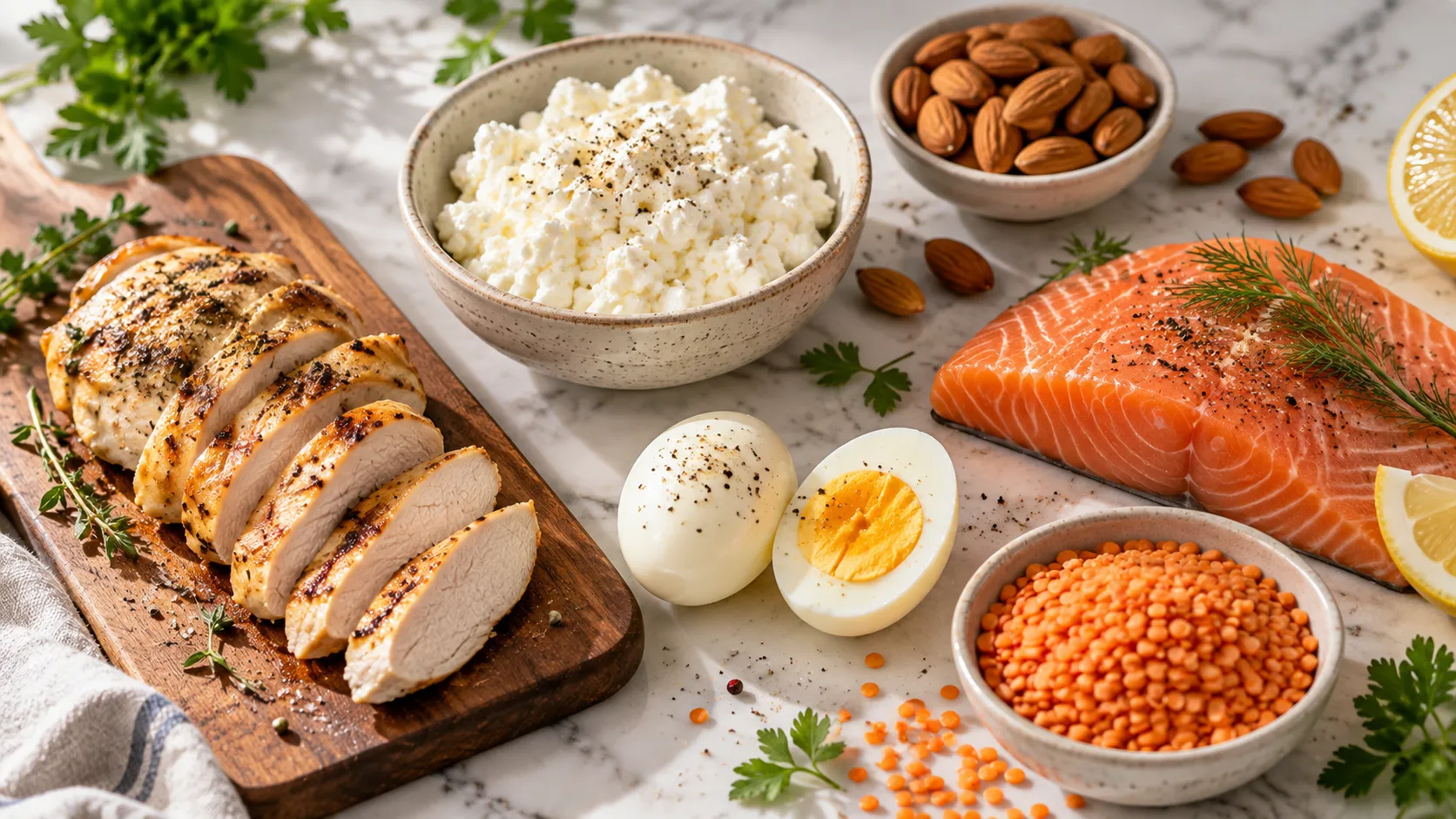
Cooked lentils and chickpeas provide approximately 8–9 g of protein per 100 g, along with dietary fiber. They are affordable options for balanced meals.
Depending on the variety, nuts provide approximately 12–16 g of protein per 100 g, as well as healthy fats. They make convenient snacks, but are relatively calorie-dense.
Dry soybeans contain approximately 36 g of protein per 100 g. Soy provides all essential amino acids and can be consumed in forms such as tofu, tempeh, and edamame.
1.0–1.2 g/kg may be a practical intake range for some adults. For a person weighing 70 kg, this equals approximately 70–84 g of protein per day. The standard recommended dietary allowance for many healthy adults is approximately 0.8 g/kg/day.
1.4–1.6 g/kg may be suitable for physically active individuals. For a person weighing 70 kg, this equals approximately 98–112 g per day.
Athletes engaged in intensive resistance training may aim for approximately 1.8–2.2 g/kg. For a person weighing 70 kg, this equals approximately 126–154 g per day.
Distributing protein intake across meals can help support muscle protein synthesis throughout the day. For many active adults, consuming approximately 25–40 g of protein per meal is a practical approach. However, protein consumed beyond this range is not automatically wasted. The body continues to digest and use it for various physiological functions.
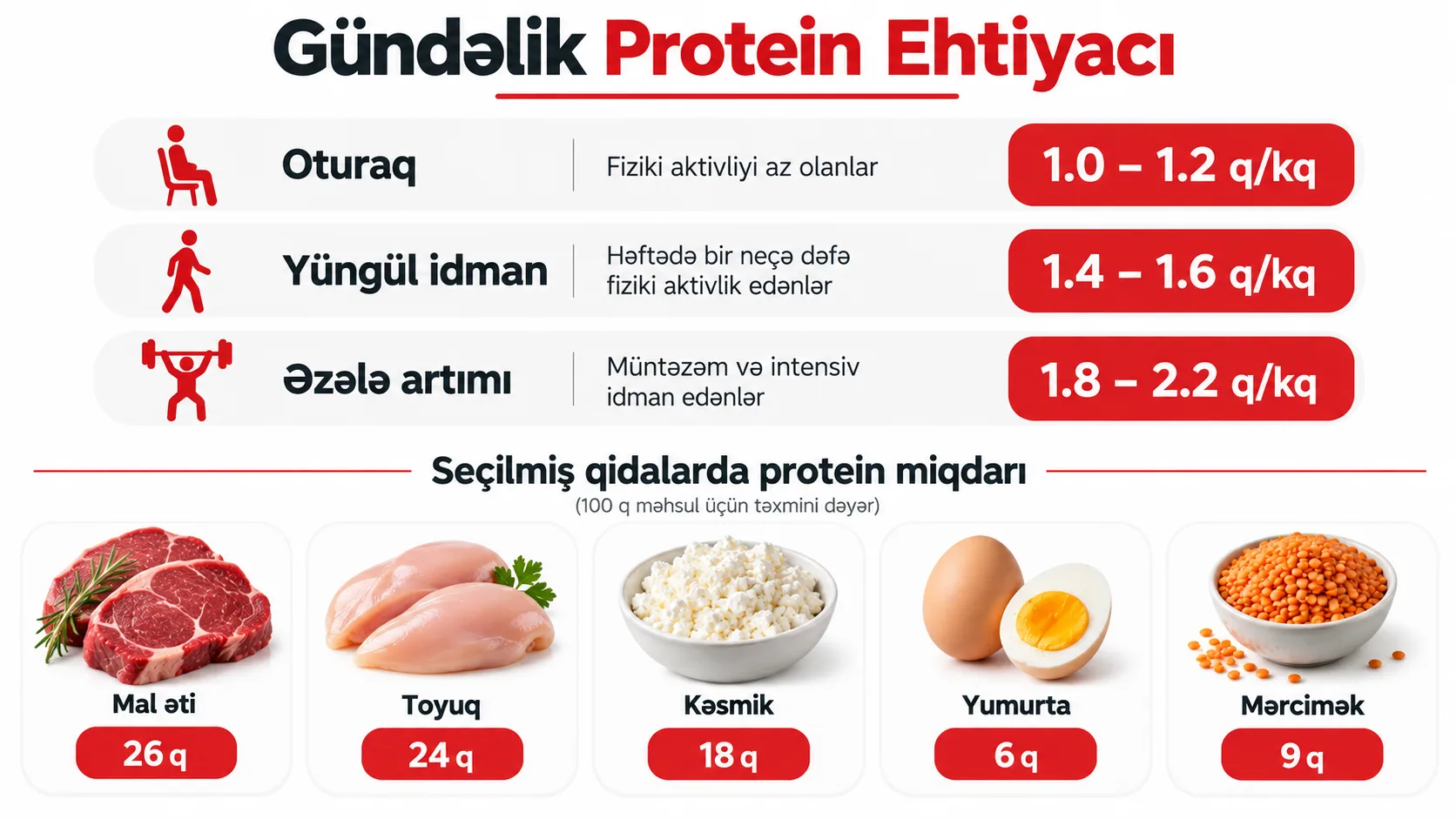
Note: Protein values are approximate and may vary according to portion size, food type, brand, and cooking method.
Amino acids are the building blocks of proteins. Of the 20 amino acids commonly found in proteins, nine are classified as essential because the body cannot produce them in sufficient amounts. The remaining amino acids are considered non-essential or conditionally essential, depending on the body's physiological needs. Amino acid supplements may provide various combinations of these nutrients and can be used as part of a sports nutrition routine. However, obtaining sufficient high-quality protein from food is usually the primary priority.
BCAAs (Branched-Chain Amino Acids) are three essential amino acids:
These amino acids are involved in muscle protein metabolism. Leucine, in particular, plays an important role in signaling pathways associated with muscle protein synthesis. BCAA supplements are commonly marketed to support muscle recovery, reduce exercise-related muscle soreness, and help manage fatigue. However, evidence for additional benefits is mixed, especially when a person already consumes enough complete dietary protein. A balanced diet containing all essential amino acids remains important for optimal muscle recovery.
Arginine is a conditionally essential amino acid involved in several important physiological processes. It serves as a precursor for nitric oxide (NO), a molecule that helps regulate blood vessel relaxation and blood flow. For this reason, arginine supplements are often used in sports nutrition products marketed for circulation and the exercise-related "muscle pump" sensation. However, studies on oral arginine supplementation and athletic performance have produced mixed results. Products such as Argipower 1500 provide L-arginine, but individual effects may vary. People with cardiovascular conditions, blood pressure problems, or those taking medications should consult a healthcare professional before using arginine supplements.

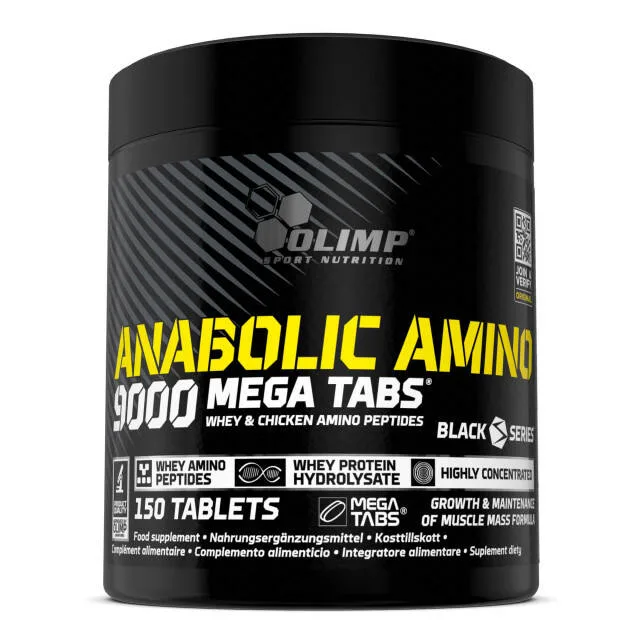
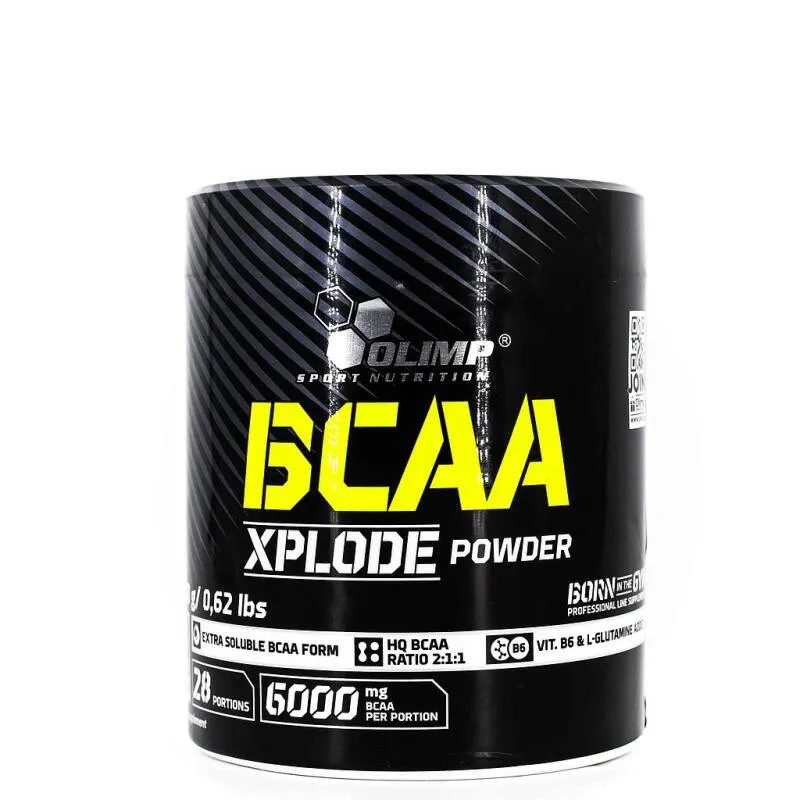
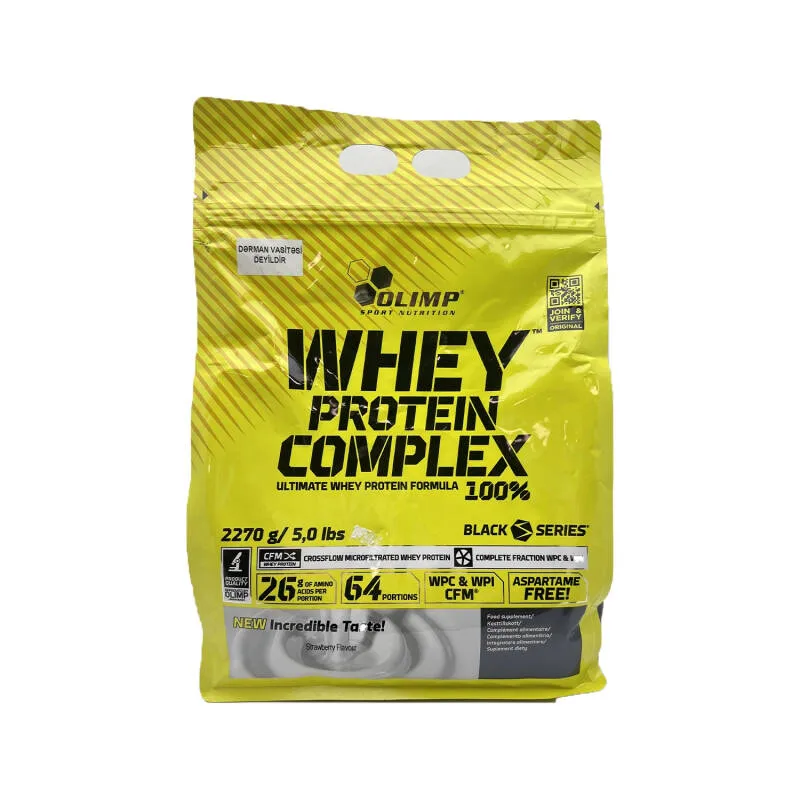
Meeting your daily protein needs does not have to be complicated. Protein-rich foods such as chicken, eggs, cottage cheese, fish, beans, lentils, and soy products can easily become part of everyday meals. For athletes, products such as Olimp Anabolic Amino 9000, BCAA Xplode, and Argipower 1500 are available as optional sports nutrition supplements. However, the foundation of muscle growth and recovery remains a balanced diet, adequate daily protein intake, consistent training, and sufficient rest. Protein is required every day, so maintaining a consistent and appropriate intake is more important than relying on individual supplements.
This article is intended for informational purposes only and does not replace professional medical or nutritional advice. Consult a healthcare professional before using dietary supplements, especially if you have an existing medical condition, take medications, or are pregnant or breastfeeding. Product availability and formulations should be checked before purchase. Avismed.az — pharmacy and medical products in Azerbaijan.
 Powered by
T-SOFT
E-Commerce