● Flu · Common Cold ● Paracetamol · Theraflu · Fever ● Children · Adults · Dosage ● Immunity · Prevention · Flu Season
Flu and Fever: A Guide to Paracetamol, Theraflu, and Treatment. Flu activity often increases during autumn and winter, including October and November. In this guide, you will learn how to distinguish flu symptoms from the common cold, how to use fever-reducing medicines appropriately, when paracetamol or Theraflu may be suitable, how flu is managed in children, and when medical attention is necessary.
Understanding Influenza
What Is the Flu? How Is It Different from the Common Cold?
How Does the Flu Spread?
Influenza (flu) is a contagious respiratory infection caused by influenza viruses, mainly influenza A and B. The virus spreads through respiratory particles released when infected people cough, sneeze, talk, or breathe. Transmission is more likely during close contact, particularly in poorly ventilated indoor environments. The incubation period is usually 1–4 days. An infected person may spread the virus before developing noticeable symptoms.
Flu vs. Common Cold: Key Differences
🤒 Influenza (Flu)
- Usually starts suddenly
- Fever, sometimes 38.5–40°C
- Significant body aches and headaches
- Marked fatigue and weakness
- Often a dry, persistent cough
- Nasal symptoms may be less prominent
- Recovery may take 1–2 weeks
🤧 Common Cold
- Usually develops gradually
- Mild fever or no fever
- Mild headache
- Less severe fatigue
- Cough may be mild or productive
- Runny or stuffy nose is common
- Often improves within 5–7 days

Flu Symptoms
Flu Symptoms: A Guide to Recognizing Influenza
Classic Symptoms of the Flu
🌡️ High Fever
A sudden fever, sometimes reaching 38.5–40°C, may occur with chills and sweating. Not everyone with influenza develops a fever. Seek medical advice for very high or concerning temperatures, especially when other warning signs are present.
💪 Body Aches
Muscle and joint pain can be pronounced, sometimes making people feel as though their whole body aches. Headaches are also common and may be more severe than with a typical cold.
😮💨 Dry Cough
Influenza often causes a dry or uncomfortable cough. Chest discomfort may occur. A worsening cough, breathing difficulty, or chest pain should prompt medical evaluation.
😴 Severe Fatigue
Significant weakness and exhaustion are characteristic symptoms. Rest is important during recovery, particularly during the first few days of illness.
Who Is at Higher Risk?
Some people are more likely to develop severe flu complications, including:
- Adults aged 65 and older
- Children younger than 2 years
- Pregnant women
- People with chronic heart, lung, or kidney diseases
- People with diabetes
- People with weakened immune systems
- People receiving immunosuppressive treatment
Annual influenza vaccination is especially important for high-risk groups. Vaccination reduces the risk of influenza and serious complications, although effectiveness varies from season to season.
People at increased risk of complications should contact a healthcare professional promptly when flu symptoms develop, as prescription antiviral treatment may be most beneficial when started early.
Fever Management
Fever-Reducing Medicines: When Should You Take Them?
When Should a Fever Be Treated?
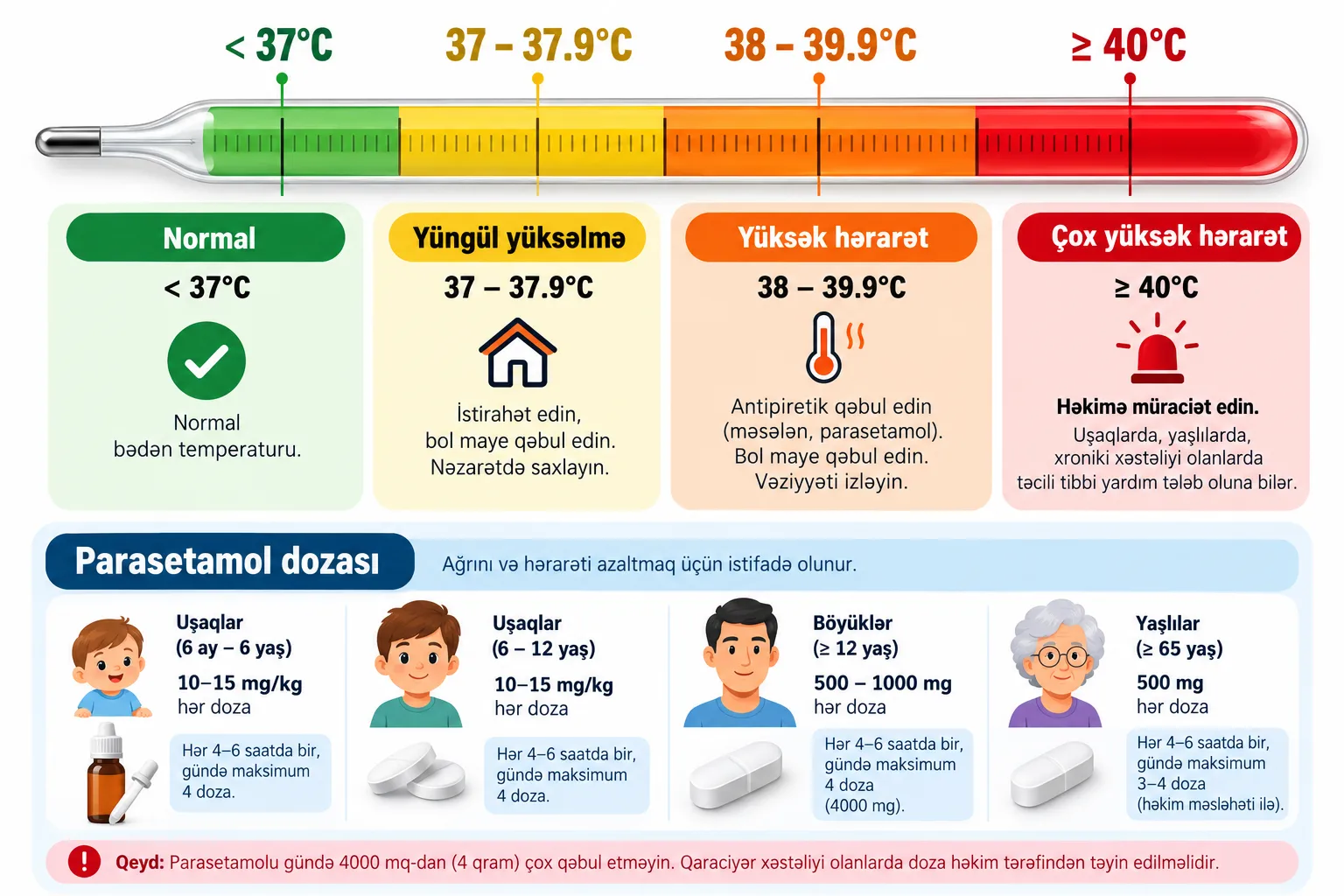
Fever is a natural response of the immune system to infection. A mild fever does not always require medication. The decision to use fever-reducing medicine should depend on discomfort, age, underlying medical conditions, and the overall clinical situation rather than temperature alone.
For adults, paracetamol or another appropriate medicine may help relieve fever-related discomfort. For children, the main goal of fever treatment is to improve comfort rather than simply lower the number on the thermometer. Babies younger than 3 months with a temperature of 38°C or higher require urgent medical assessment.
Paracetamol Dosage by Age
Adults
A commonly used oral dose is 500–1,000 mg, with at least 4–6 hours between doses as directed on the product label. The total daily maximum depends on the product and local guidance and must never be exceeded. A lower limit may be necessary for people with liver disease, low body weight, or other risk factors.
Children
Paracetamol dosing is based on body weight, age, and product concentration. A commonly used dose is 10–15 mg/kg per dose, generally every 4–6 hours when needed, subject to the product's age limits and maximum daily dose. Always use an appropriate pediatric formulation and measuring device.
Pregnant Women
Paracetamol is commonly used when fever or pain relief is needed during pregnancy. It should be taken at the lowest effective dose for the shortest necessary duration, following medical advice. Ibuprofen and other NSAIDs require particular caution during pregnancy and are generally avoided from 20 weeks onward unless specifically advised by a clinician.
What Should You Do If Your Temperature Reaches 39°C?
🌡️ Managing a Fever of 39°C or Higher
- Assess how you feel and check for concerning symptoms such as breathing difficulty, confusion, severe dehydration, or chest pain.
- Use an appropriate fever-reducing medicine if needed, following the product instructions and medical advice.
- Drink fluids regularly to prevent dehydration.
- Wear light, comfortable clothing and keep the room at a comfortable temperature.
- Avoid ice baths, alcohol rubs, and excessive bundling.
- Contact a healthcare professional if the fever persists, symptoms worsen, or you belong to a high-risk group.
Flu Medicines
Flu Medicines: Theraflu, Paracetamol, and Paraferin
What Is Theraflu and When Is It Used?
Theraflu is a brand of combination medicines designed to relieve certain cold and flu symptoms. Depending on the specific formulation, Theraflu products may contain:
- Paracetamol: helps reduce fever and relieve pain.
- Phenylephrine: is included in some formulations for nasal congestion, although evidence for the effectiveness of oral phenylephrine is limited.
- Vitamin C: is included in some products.
- Other ingredients: some formulations may contain antihistamines or different active substances.
Some Theraflu products are powders dissolved in hot water to make a warm drink. Dosage, age restrictions, and dosing intervals vary by formulation. Always follow the leaflet supplied with the exact product. Theraflu relieves symptoms but does not directly eliminate the influenza virus.
Paracetamol vs. Theraflu: Which Should You Choose?
Paracetamol May Be Suitable When:
- Fever or pain is the main symptom.
- You do not need additional cold medicine ingredients.
- A healthcare professional recommends it during pregnancy.
- A suitable age-appropriate formulation is needed.
A Combination Product May Be Considered When:
- Several cold or flu symptoms occur together.
- The ingredients match your symptoms.
- The product is suitable for your age and medical conditions.
- You are not already taking medicines containing the same active ingredients.
Important: Many Theraflu formulations already contain paracetamol. Taking additional paracetamol at the same time can cause an accidental overdose and serious liver injury. Always check the active ingredients before combining medicines.
Flu in Children
Flu in Children: Medicines, Dosage, and Treatment
Which Flu Medicines Can Children Take?
When choosing medicines for children with flu symptoms, age limits and correct dosing are extremely important.
- Paracetamol: may be used in age-appropriate formulations, with doses based on weight and product instructions. Young infants require medical guidance.
- Ibuprofen: may be appropriate for some children, depending on age, weight, hydration, and medical history. It should not be used in certain conditions, including dehydration.
- Paraferin Plus Syrup: is a combination product. Its active ingredients, age restrictions, and dosage must be checked before use.
- Aspirin: should not be given to children or teenagers with suspected influenza because of the risk of Reye syndrome.
- Combination cold and flu medicines: should not be used in young children unless specifically approved for their age and recommended by a healthcare professional.
For children at risk of flu complications, doctors may prescribe an influenza antiviral medicine, such as oseltamivir, when appropriate.
When Should You Seek Immediate Medical Attention?
🚨 Warning Signs in Children
- Difficulty breathing or unusually rapid breathing
- Bluish lips or face
- Severe drowsiness, confusion, or difficulty waking
- Seizures
- Signs of dehydration, such as very little urination or inability to drink
- Chest pain or severe weakness
- Symptoms that improve and then return with worsening fever or cough
- Fever of 38°C or higher in an infant younger than 3 months
Children under 2 years are at increased risk of complications and should receive prompt medical advice if influenza is suspected.
Antibiotics
Antibiotics for a Cold: When Are They Necessary?
Antibiotics are not effective against influenza or the common cold because these illnesses are caused by viruses. Taking antibiotics unnecessarily can cause side effects, disrupt normal bacteria in the body, and contribute to antibiotic resistance. A doctor may prescribe antibiotics if a secondary bacterial infection develops, such as:
- Bacterial pneumonia
- Certain bacterial sinus infections
- Some middle ear infections
- Streptococcal throat infections
Prescription antiviral medicines, not antibiotics, may be considered for confirmed or suspected influenza, especially in people at higher risk of complications.
Home Care for the Flu: What Should You Do?
1
Get enough rest. Stay home while you are ill and avoid unnecessary physical exertion.
2
Stay hydrated. Drink water and other suitable fluids regularly, especially when experiencing fever or sweating.
3
Ventilate your room. Maintain comfortable indoor conditions and allow fresh air to circulate.
4
Avoid alcohol. Alcohol may worsen dehydration and increase the risk of interactions with certain medicines.

Immune Support and Prevention
Immune Support: How to Prevent the Flu
How Can You Protect Yourself During Flu Season?
Annual influenza vaccination is one of the most effective measures for preventing influenza and reducing the risk of serious complications. Influenza viruses change over time, which is why updated vaccines are recommended each season. Vaccination is especially important for:
- Pregnant women
- Older adults
- People with chronic medical conditions
- People with weakened immune systems
- Young children eligible for vaccination
Ideally, vaccination should take place before influenza activity increases, although vaccination may still be beneficial later in the season.
Everyday Prevention Measures
Healthy habits can support normal immune function and help reduce the spread of respiratory infections.
- Vitamin D: adequate vitamin D is important for normal immune function. Supplements may be appropriate for people with inadequate intake or deficiency.
- Vitamin C: contributes to normal immune function, although high doses have not been shown to reliably prevent influenza.
- Zinc: is necessary for normal immune cell function. Supplementation is most useful when intake is insufficient.
- Adequate sleep: aim for sufficient, regular sleep to support overall health.
- Hand hygiene: wash your hands with soap and water for at least 20 seconds.
- Ventilation: improve airflow in indoor spaces.
- Face masks: wearing a well-fitting mask in crowded indoor settings may help reduce respiratory virus transmission.
Cold weather itself does not directly cause influenza. The virus spreads through contact with infected people and respiratory particles, particularly in indoor settings with close contact and poor ventilation.
Available at the Pharmacy
Three Pharmacy Products for Flu and Cold Symptoms
Multi-Symptom Cold and Flu Relief
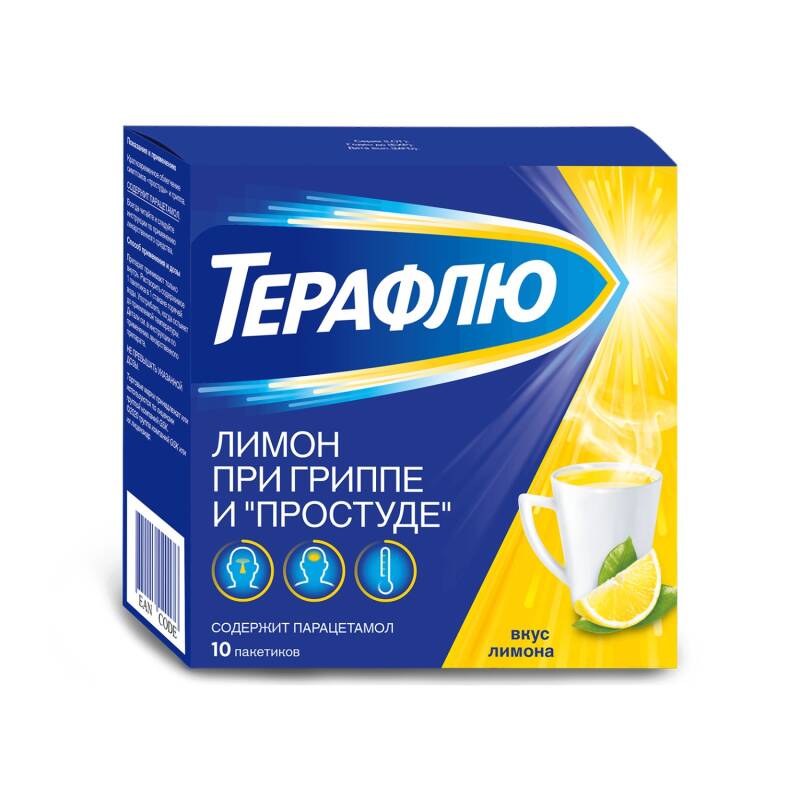
Theraflu N10 Sachets
A combination product intended to relieve certain cold and flu symptoms, such as fever, headache, body aches, and nasal congestion, depending on the specific formulation. Check the package leaflet for active ingredients, age restrictions, and dosing instructions.
View Product → ✓ Multi-Symptom Relief✓ Hot Drink Format✓ N10 Sachets✓ Check Age Restrictions
Fever Reducer and Pain Reliever
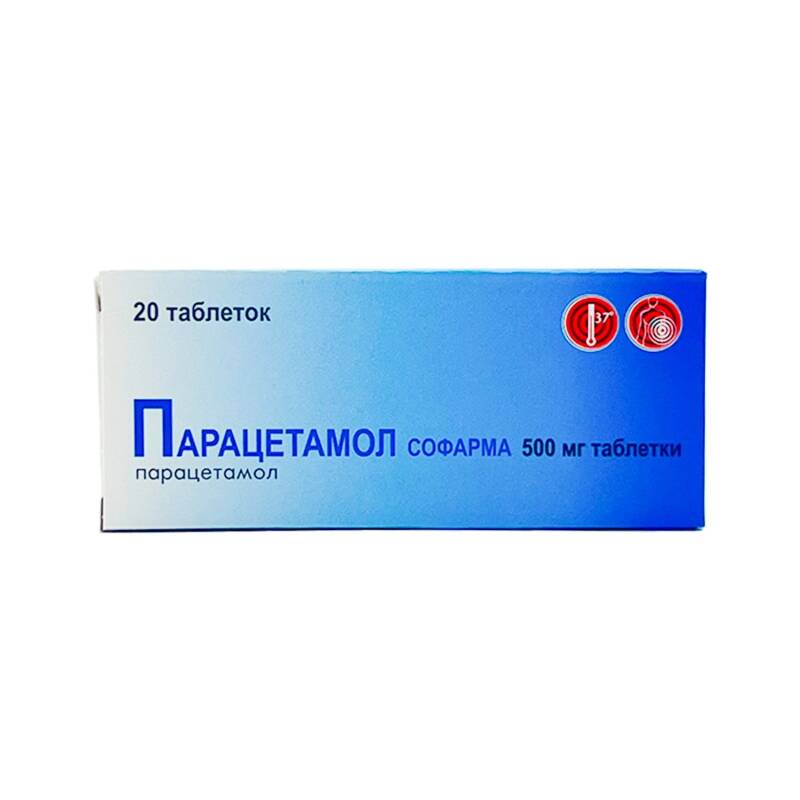
Paracetamol 500 mg N20 Tablets
Paracetamol 500 mg helps reduce fever and relieve headaches, muscle aches, and other pain associated with influenza or the common cold. It may be used during pregnancy when medically appropriate. Follow the recommended dose and avoid combining it with other paracetamol-containing products.
View Product → ✓ 500 mg✓ Fever Relief✓ Pain Relief✓ N20 Tablets
Combination Cold and Flu Syrup
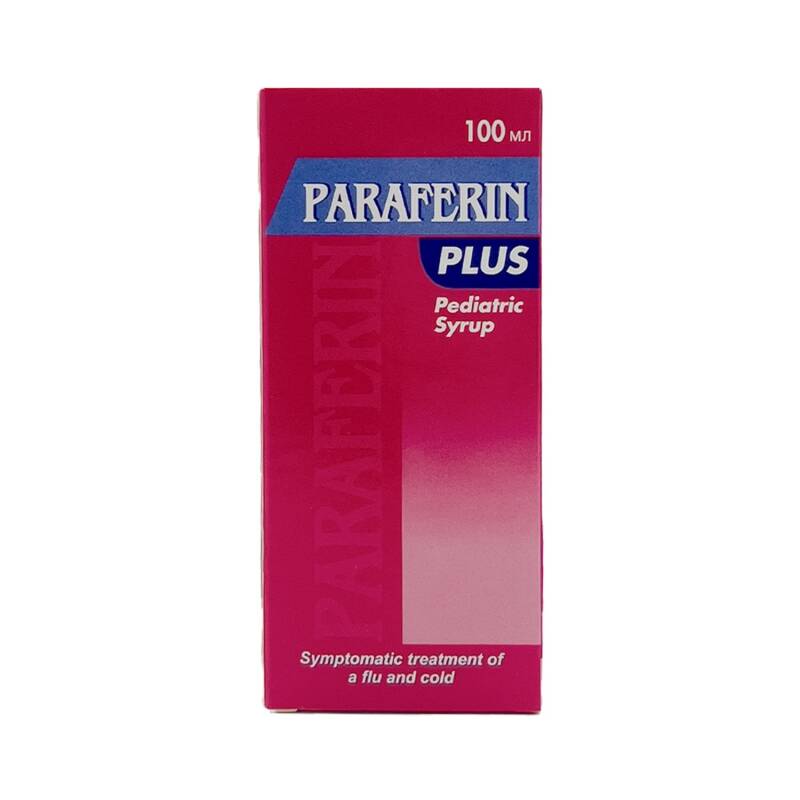
Paraferin Plus 100 ml Syrup
A combination syrup containing ingredients intended to relieve certain cold and flu symptoms. Depending on the formulation, these may include paracetamol and an antihistamine. Check the package instructions carefully before use, especially for children. Combination cold medicines are not suitable for every age group.
View Product → ✓ Syrup Format✓ Symptom Relief✓ 100 ml✓ Follow Label Instructions
FAQ
Frequently Asked Questions
What is the difference between the flu and the common cold?
The flu usually begins suddenly and often causes fever, significant muscle aches, headaches, and severe fatigue. The common cold typically develops more gradually and is more likely to cause a runny nose, sneezing, and milder symptoms. Influenza generally carries a higher risk of complications.
At what temperature should a fever be treated?
There is no single temperature at which every fever must be treated. Fever-reducing medicine is generally used to relieve discomfort. Age, medical history, accompanying symptoms, and overall condition are important. A baby younger than 3 months with a temperature of 38°C or higher needs urgent medical evaluation.
What is the recommended paracetamol dosage?
A commonly used adult dose is 500–1,000 mg per dose, following the recommended interval and daily maximum on the product label. Children's doses are calculated according to body weight, age, and formulation. A common pediatric dose is 10–15 mg/kg, subject to product-specific restrictions and maximum daily limits. Always check with a healthcare professional if unsure.
When should Theraflu be taken?
Theraflu may be used for temporary relief of several cold and flu symptoms when the selected formulation is suitable for the patient's age and health conditions. Some products are dissolved in hot water. Follow the specific product instructions, and do not take additional paracetamol if the Theraflu product already contains it.
Are antibiotics necessary for the flu?
No. Influenza is caused by a virus, and antibiotics do not treat viral infections. Antibiotics may be prescribed only when a bacterial infection is diagnosed or strongly suspected. Influenza antiviral medicines may be appropriate in certain cases.
When should I see a doctor for flu symptoms?
Seek urgent medical attention for difficulty breathing, chest pain, severe confusion, seizures, or signs of severe dehydration. Persistent or worsening fever and symptoms that initially improve but then return also require medical assessment. People at higher risk of complications, including pregnant women, older adults, and young children, should seek advice early.
Conclusion
Managing the Flu: Appropriate Medication, Rest, and Timely Medical Care
Influenza often resolves with supportive care, but some people may develop serious complications. Appropriate symptom management, adequate rest, hydration, and timely medical advice are essential. Theraflu products may help relieve several cold and flu symptoms, depending on their ingredients. Paracetamol 500 mg is commonly used for fever and pain relief. Paraferin Plus syrup is another combination product whose suitability depends on its ingredients and the patient's age. Always follow product instructions, avoid taking multiple medicines containing the same active ingredients, and consult a healthcare professional when necessary. Antibiotics should not be used to treat influenza unless a bacterial infection is also present and a doctor prescribes them.
Theraflu — Symptom ReliefParacetamol — Fever and PainRest and HydrationAntibiotics — Only When PrescribedAnnual Flu Vaccination
This article is for informational purposes only and does not replace professional medical advice. Always consult a doctor or pharmacist before taking medication, especially for children, pregnant women, and people with chronic health conditions. Product formulations and age restrictions may vary. Avismed.az — online pharmacy and medical products in Azerbaijan.

 Powered by
T-SOFT
E-Commerce