English
Azərbaycan
Русский
59 ₼ və üzəri sifarişlərə pulsuz çatdırılma
Sifarişimi izlə
Head Lice: A Complete Guide to Lice Treatment, Shampoos, and Removal. As the school season begins, head lice infestations can become more common among children. In this guide, you will learn about different head lice treatments, how to choose a suitable lice shampoo, effective methods for removing lice and nits, whether vinegar can help, how to clean household items, and how to reduce the spread of head lice at school. Successful treatment requires careful application of suitable products, regular checking, and sometimes repeat treatment according to the product instructions.
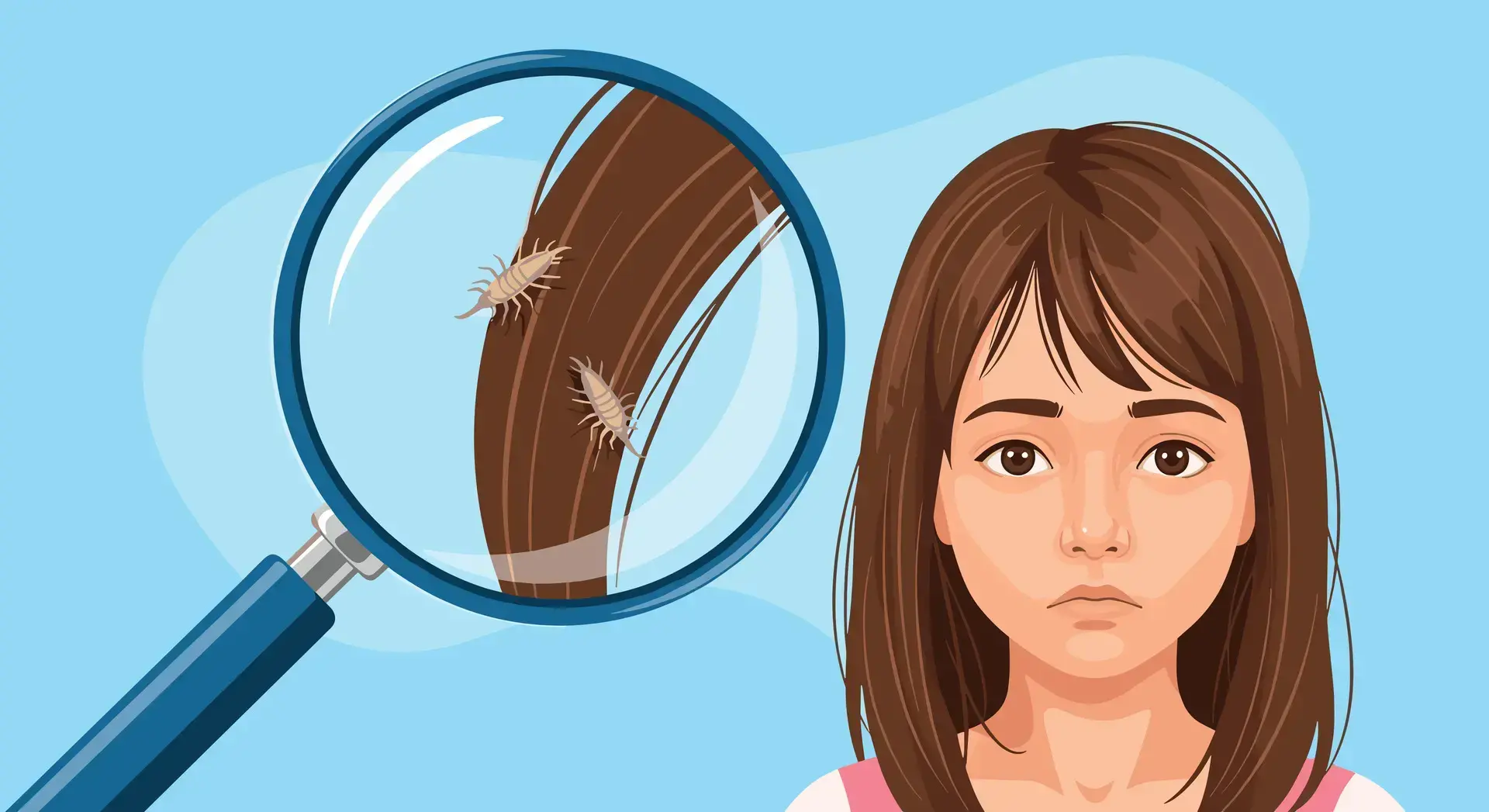
Head lice (Pediculus humanus capitis) are small parasitic insects that live on the human scalp and feed on blood. Adult head lice are approximately 2–3 mm long, while their eggs, known as nits, are much smaller. Nits are attached firmly to individual hair shafts, usually close to the scalp. Live head lice may appear grayish, tan, or brown. Nits are often oval-shaped and may look whitish or yellowish. Unlike dandruff, nits are not easily brushed or shaken off. Head lice spread mainly through direct head-to-head contact. Transmission through shared objects such as hats, brushes, or bedding is possible but much less common. Adult lice generally survive for only about 1–2 days away from the human scalp.
One of the most common symptoms is itching, particularly behind the ears and around the back of the neck. Itching may become more noticeable at night, although some people with head lice experience no itching.
Tiny oval eggs may be attached to hair shafts close to the scalp. Unlike dandruff, they are difficult to slide or brush off.
Lice bites and repeated scratching may cause small red marks, irritation, or sores, especially behind the ears and near the neckline.
Itching and scalp irritation may interfere with sleep, sometimes causing restlessness, irritability, or reduced concentration.
Head lice are particularly common among school-aged children, especially those aged 3–12 years. Children often have close head-to-head contact while playing, studying, or taking part in group activities. Long hair may increase opportunities for contact, but lice can affect people with any hair length. Head lice are not a sign of poor hygiene. They can occur in clean or unwashed hair and affect people from all backgrounds. Schools, childcare centers, camps, and other settings where children spend time in close contact can facilitate transmission.
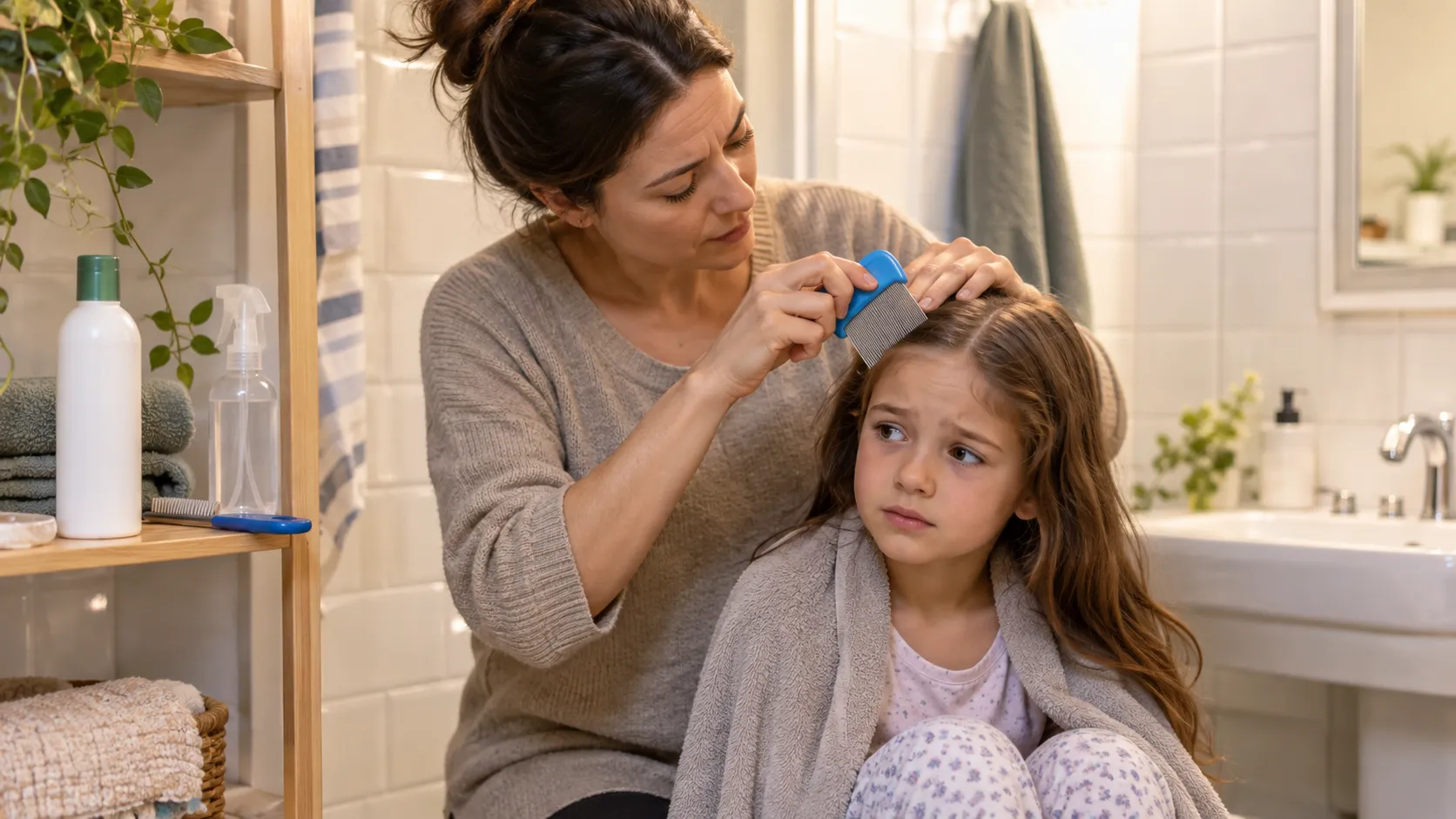
Head lice treatments are available in several formulations. Two commonly used approaches are chemical insecticides and physical-action products.
Chemical insecticides, such as permethrin and malathion, target the nervous system of lice. These treatments have been widely used for many years, although resistance to some insecticides has been reported. Physical-action products, including certain dimeticone-based formulations, work by physically interfering with the lice's ability to survive. Because their mechanism differs from traditional neurotoxic insecticides, they are less affected by the same resistance mechanisms. The choice of treatment should depend on the patient's age, medical history, pregnancy or breastfeeding status, and the approved instructions for the specific product.
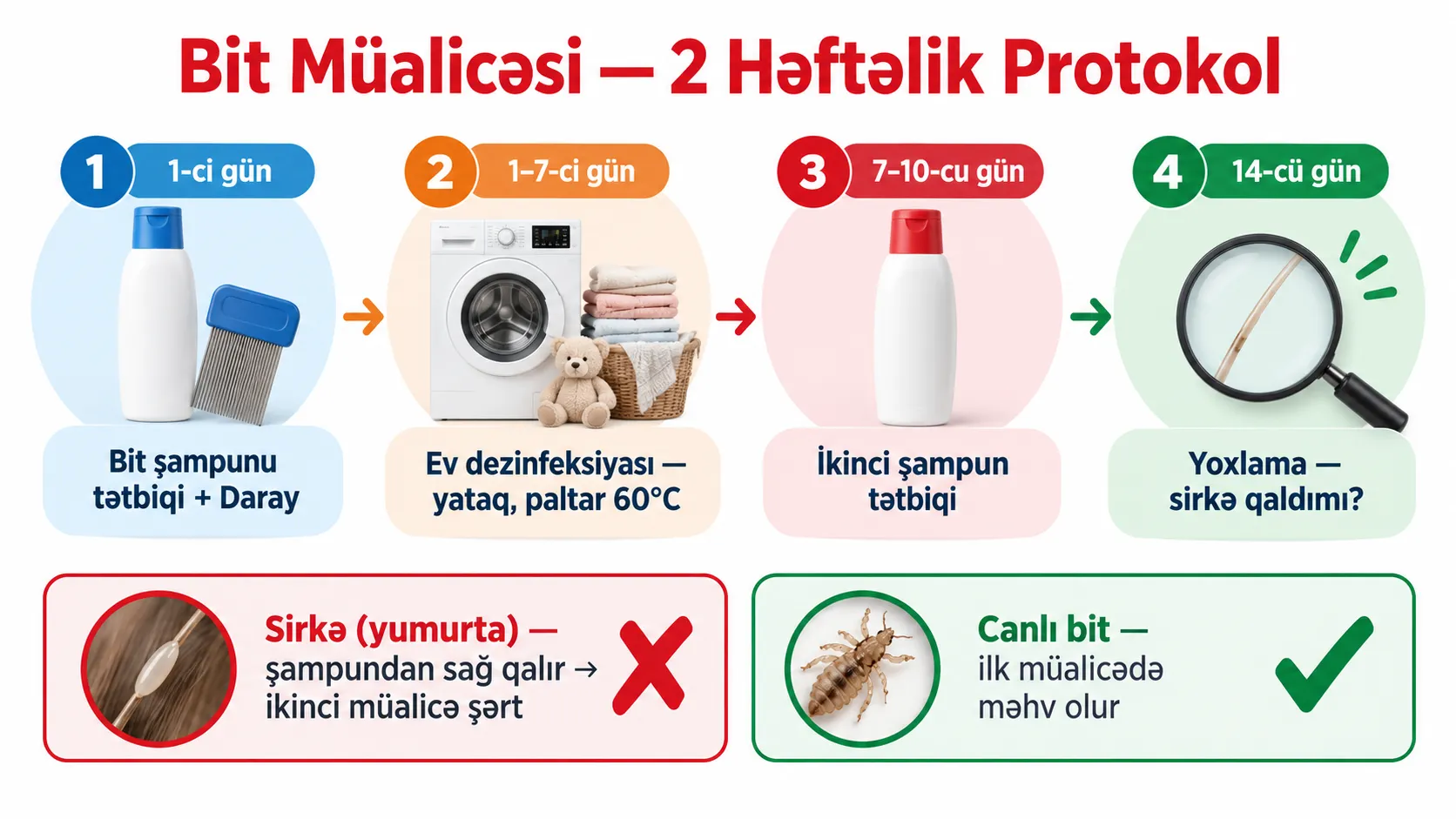
Permethrin is a chemical insecticide used in certain head lice treatments. Application time and minimum age vary by formulation. Some products require repeat treatment after approximately 7–10 days because not all eggs may be killed during the first application.
Dimeticone-based formulations act physically on lice rather than targeting their nervous system. Application times, effectiveness against eggs, and age limits vary. Pregnant women and parents of infants should confirm product suitability with a healthcare professional.
A head lice treatment may be unsuccessful for several reasons:
Although head lice treatment prices may vary, choosing an appropriate product and completing the recommended treatment correctly are more important than price alone. Household members and close contacts should be checked. Only those with an active infestation generally need treatment.
Different head lice products have different application instructions. Always check whether the chosen product is intended for dry or wet hair and follow the exact contact time stated in its leaflet.
When comparing anti-lice shampoos, consider more than the price. Important factors include:
Dimeticone-based products may be useful alternatives to certain traditional insecticides, especially when resistance is suspected. However, not every product is suitable for every age group or health condition. Consult a pharmacist or healthcare professional if you are unsure which treatment to choose.
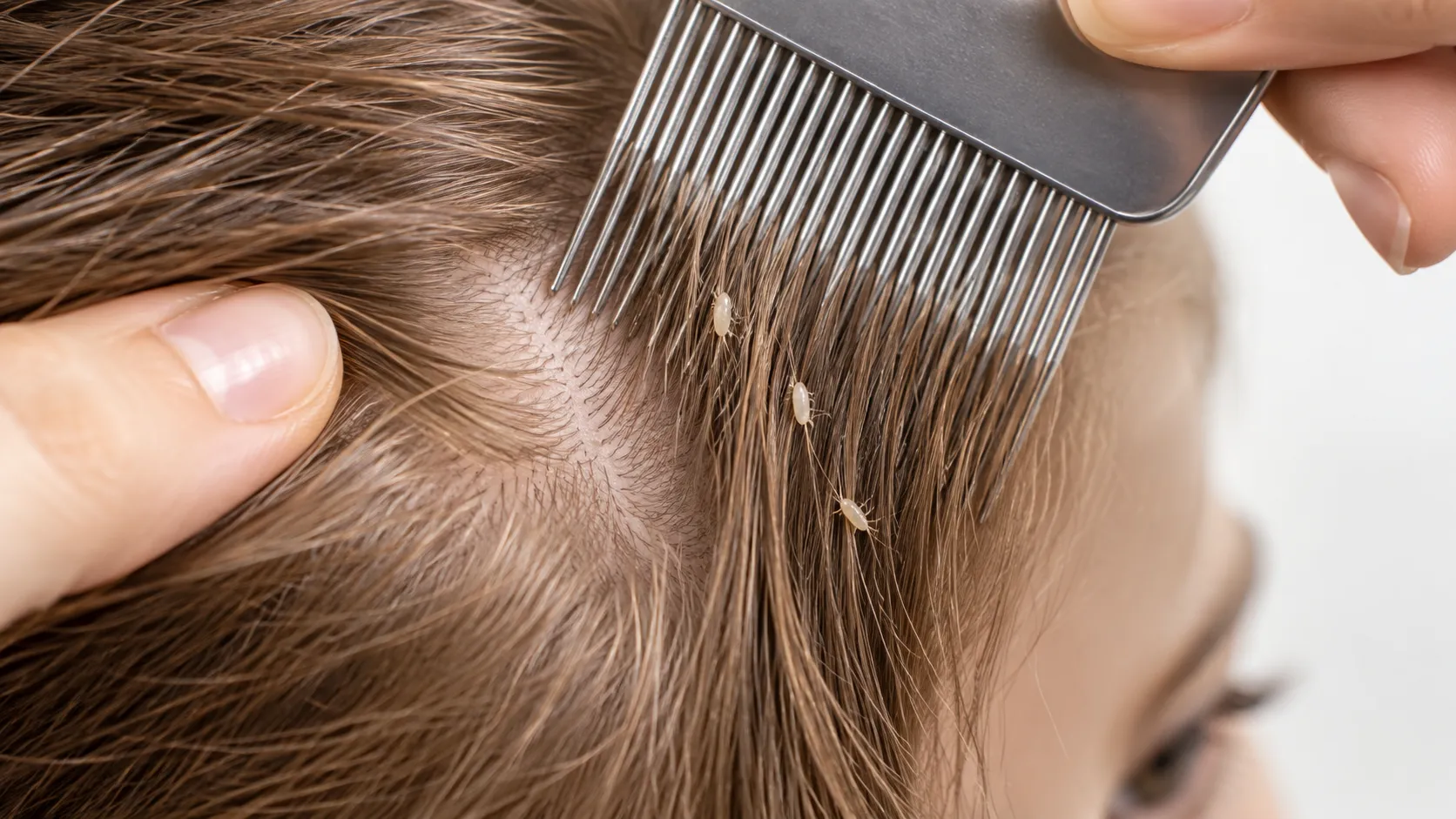
Using vinegar for head lice is a common traditional home remedy. However, scientific evidence does not support vinegar as a reliable treatment for killing live head lice or their eggs. Vinegar is sometimes claimed to help loosen the substance that attaches nits to hair shafts, but evidence for this benefit is limited. Vinegar should not replace an effective head lice treatment. A suitable lice treatment and careful combing are more reliable methods for managing an active infestation.
Some traditional methods involve applying diluted vinegar to the hair before combing. However, vinegar may irritate the scalp, particularly if the skin is already inflamed or scratched. It may also cause discomfort if it comes into contact with the eyes. Because there is insufficient evidence that vinegar improves treatment outcomes, it is generally better to use an approved head lice product according to its instructions and remove lice and nits with a fine-toothed comb. Other home remedies, including olive oil and mayonnaise, have also been used traditionally, but they are not considered consistently reliable treatments.
Head lice survive primarily on the human scalp and generally die within approximately 1–2 days when they cannot feed. Their eggs require suitable conditions close to the scalp to hatch successfully. Although transmission through household objects is uncommon, cleaning items used recently by a person with active head lice may help reduce the small risk of reinfestation. Extensive household disinfection is not necessary. Focus on personal items, bedding, and clothing used during the two days before treatment.
Wash recently used bedding, pillowcases, clothing, hats, and scarves in hot water where the fabric allows. Machine drying on a high-heat setting may help eliminate lice.
Items that cannot be washed or dry-cleaned can be sealed in a plastic bag for approximately two weeks when appropriate.
Clean combs and brushes used by the affected person. Where suitable, soak them in hot water of at least 54°C for 5–10 minutes, taking care to avoid burns.
Vacuum areas where the affected person has recently sat or rested, such as sofas, mattresses, and car seats. Household insecticide sprays and foggers are not recommended.
When schools reopen, children spend more time in close contact with classmates. Activities involving direct head-to-head contact can make it easier for lice to spread. Children in primary school may be particularly exposed while playing together, sharing close spaces, or participating in group activities. However, not every child exposed to someone with head lice becomes infested. Prompt identification, appropriate treatment, and communication with the school can help limit transmission.
It is important to avoid stigma. Head lice are common among children and are not related to cleanliness, parental care, or household hygiene. Preventive use of medicated lice treatments in children without an active infestation is generally not recommended unless specifically directed by a healthcare professional.
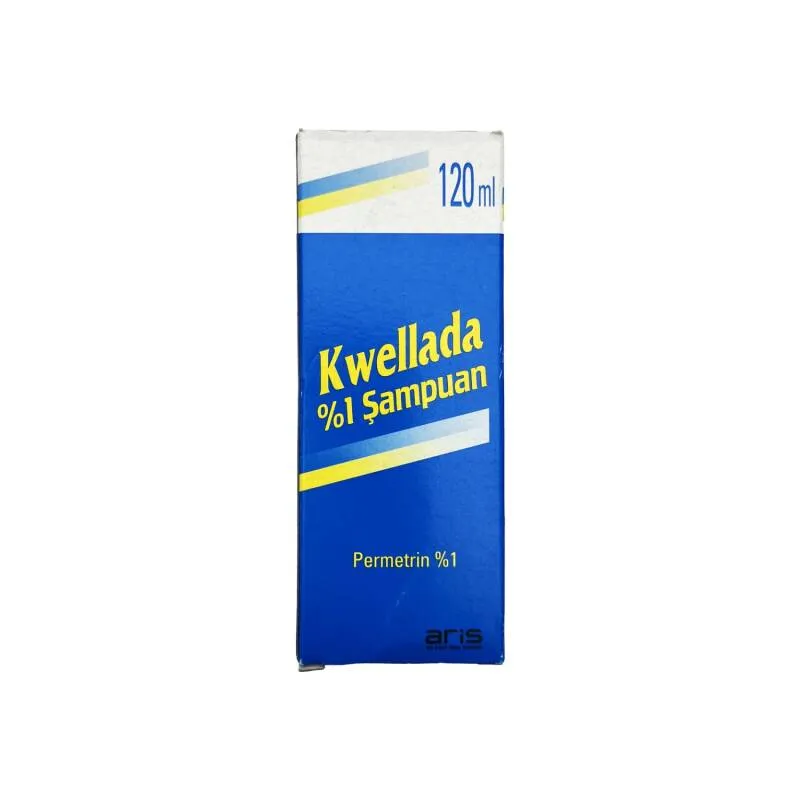
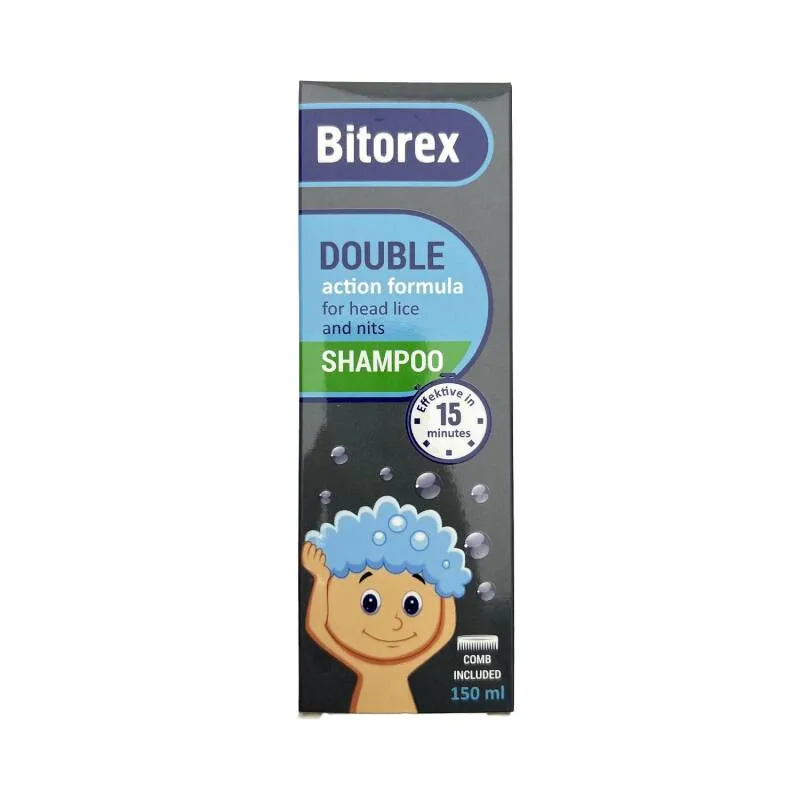
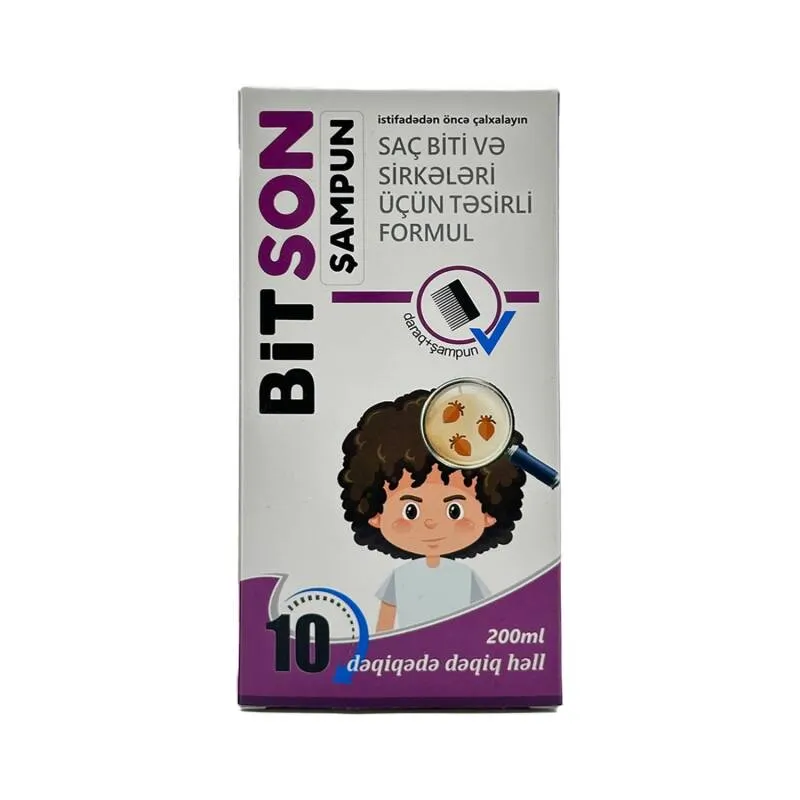
Head lice are common, particularly among school-aged children, but effective treatment is available. Successful management usually involves selecting an appropriate head lice treatment, carefully following the instructions, using a fine-toothed lice comb, checking close contacts, and repeating treatment when necessary. Household cleaning should focus on recently used personal items and bedding rather than extensive disinfection. Products such as Kwellada, Bitorex, and Bitson are among the head lice care options listed at Avismed.az. However, it is important to confirm each product's composition, age restrictions, and approved instructions before use. Vinegar is not a reliable substitute for an effective head lice treatment. Regular checking during the school season and appropriate communication with teachers can help identify infestations early and reduce transmission.
This article is intended for informational purposes only and does not replace professional medical advice, diagnosis, or treatment. Consult a doctor or pharmacist before using head lice treatments, especially for infants, young children, pregnant or breastfeeding women, and individuals with sensitive skin or allergies. Product formulations, age restrictions, availability, and instructions should be verified before purchase. Avismed.az — pharmacy and medical products in Azerbaijan.
 Powered by
T-SOFT
E-Commerce