 EN − AZN

Why Does Recovery Why Does Recovery Take So Long After Antibiotics?Take So Long After Antibiotics?
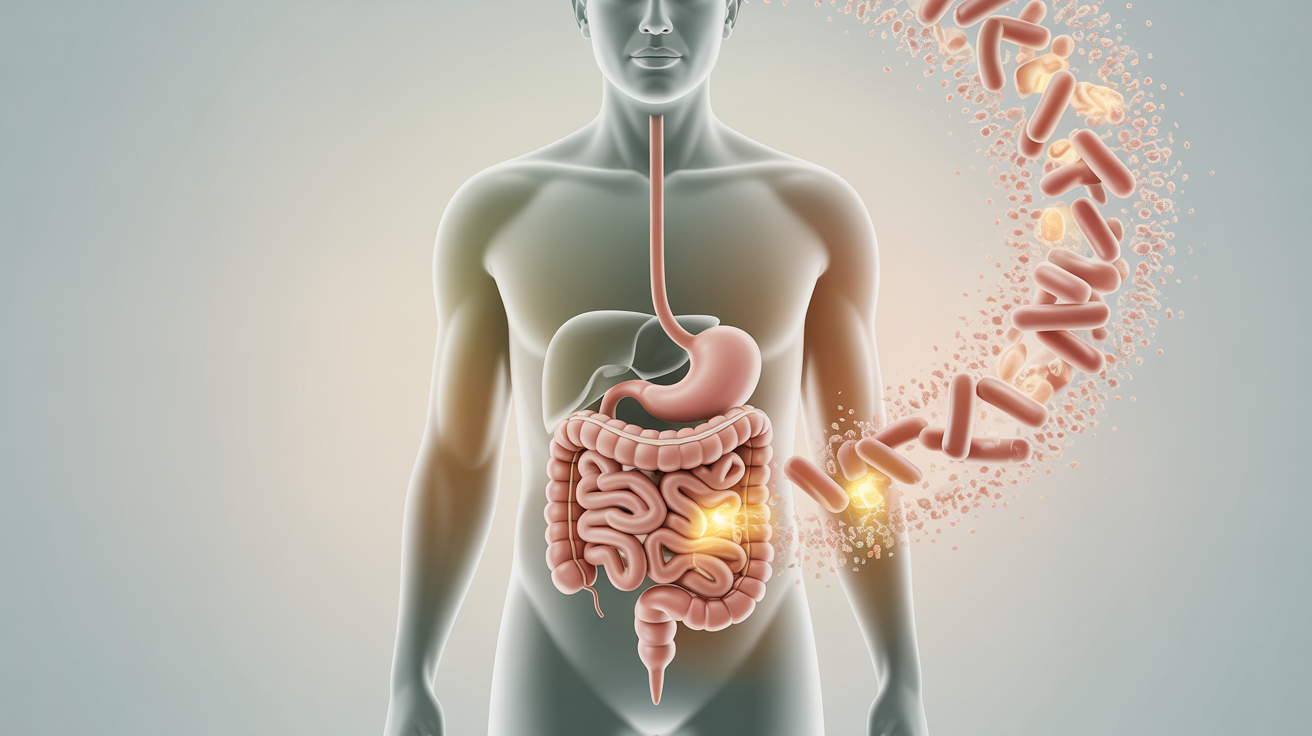
Although antibiotics play a vital role in treating infections, many people experience prolonged symptoms such as diarrhea, constipation, bloating, intestinal pain, and fatigue after completing antibiotic therapy. The main reason is that antibiotics not only eliminate harmful bacteria but also disrupt the gut flora, which is essential for overall health.
What Changes Do Antibiotics Cause in the Body?
Antibiotics and Gut Balance
After taking an antibiotic, the number of beneficial bacteria in the intestines decreases. This can lead to:
-
weakened digestive function
-
disrupted bowel movements
-
temporary weakening of immune defenses
As a result, even after the infection is gone, the body may struggle to return to its normal balance.
Why Does Diarrhea Occur After Antibiotics?
What Is the Main Cause of Diarrhea?
Post-antibiotic diarrhea is commonly linked to disruption of the gut microbiota. When beneficial bacteria are reduced, the intestinal lining becomes more sensitive and water absorption decreases. During this phase, intestinal protectants such as Smekta 3 g N10 sachets may be used to help support the gut.
Why Does Constipation Occur After Antibiotics?
How Does Constipation Develop?
In some cases, bowel motility slows down after antibiotic use, leading to constipation. Reduced physical activity, inadequate fluid intake, and slowed digestion further worsen the condition. In such situations, bowel-regulating agents like Guttalaks 7.5 mg 30 ml drops may be used.
Bloating and Gas Problems
What Causes Bloating?
When digestive enzyme activity decreases and gas accumulates in the intestines, abdominal bloating and discomfort may occur. Slower bowel movements after antibiotics can intensify this issue. Products that help break down gas, such as Espumizan 40 mg N25 capsules, are often used in these cases.
Intestinal Pain and Spasms
Why Does the Pain Persist?
Disruption of gut flora may trigger spasms in the intestinal muscles, causing persistent intestinal or colonic pain. For spasmodic abdominal discomfort, medications like Duspatalin 200 mg N30 capsules are commonly used to help relax the smooth muscles of the gut.
Digestive Disorders and Enzyme Deficiency
Why Does Digestion Become Difficult?
After antibiotics, digestive enzyme activity may be temporarily reduced. This can cause:
-
heaviness after meals
-
bloating
-
incomplete digestion of food
In such cases, enzyme support products like Kreon 10000 I.U. N20 capsules may help improve digestion.
Why Are Probiotics So Important?
Restoring Gut Flora
One of the most important steps in recovery after antibiotics is probiotic support. Probiotics help restore beneficial bacteria and rebalance the intestinal microbiota.
For this purpose:
-
Enterojermina 5 mg N10 vials are used to support gut flora restoration
-
Bigflor N10 capsules help maintain long-term bacterial balance
Fatigue and Low Energy After Antibiotics
Where Does the Fatigue Come From?
Post-antibiotic fatigue and weakness are not caused only by the infection itself. They may also result from:
-
reduced nutrient absorption in the gut
-
imbalance of vitamins and minerals
-
slowed metabolic processes
Proper nutrition and gut health support are essential during recovery.
Frequently Asked Questions
How long does recovery take after antibiotics?
Recovery usually takes several weeks, but in some individuals it may take longer.
Is it necessary to take probiotics after antibiotics?
In most cases, yes. Probiotics help restore gut balance and support recovery.
Can diarrhea and constipation occur in the same period?
Yes. When gut balance is disrupted, symptoms may alternate.
Can these medications be used without medical advice?
No. Medications should always be used under the guidance of a doctor or pharmacist.
Conclusion
Taking a long time to recover after antibiotics is a natural process. Disruption of gut flora, weakened digestion, and reduced energy levels are common during this period. With the right approach, restoration of gut health, and appropriate supportive measures, the body can gradually regain its balance. The key is recognizing symptoms early and responding correctly.