English
Azərbaycan
Русский
59 ₼ və üzəri sifarişlərə pulsuz çatdırılma
Sifarişimi izlə
Iron deficiency anemia is one of the most common nutritional deficiency disorders worldwide. Women of reproductive age and pregnant women are particularly vulnerable to iron deficiency. Persistent fatigue, hair loss, pale skin, and shortness of breath may indicate low hemoglobin levels caused by insufficient iron. Sorbifer Durules, containing ferrous sulfate and ascorbic acid (vitamin C), is an iron medication commonly used to treat iron deficiency anemia. In this article, you will learn how Sorbifer Durules works, how it is taken, its potential benefits and side effects, its role during pregnancy, and the importance of maintaining adequate iron levels.
Anemia is a condition in which the number of red blood cells or the amount of hemoglobin in the blood falls below normal levels. Hemoglobin is responsible for transporting oxygen throughout the body. When hemoglobin levels decrease, tissues receive less oxygen, which can lead to fatigue, headaches, weakness, and shortness of breath. There are several types of anemia, including vitamin B12 deficiency anemia, sickle cell anemia, and aplastic anemia. However, iron deficiency anemia (IDA) is among the most common types worldwide.
Iron deficiency anemia develops when the body does not have enough iron to produce adequate amounts of hemoglobin. Iron is an essential component of heme, the oxygen-binding part of hemoglobin. Without sufficient iron, the body cannot produce enough healthy red blood cells. Typical laboratory findings may include:
A complete blood count (CBC), serum ferritin, and iron studies, including total iron-binding capacity (TIBC) and transferrin saturation, can help establish the diagnosis.
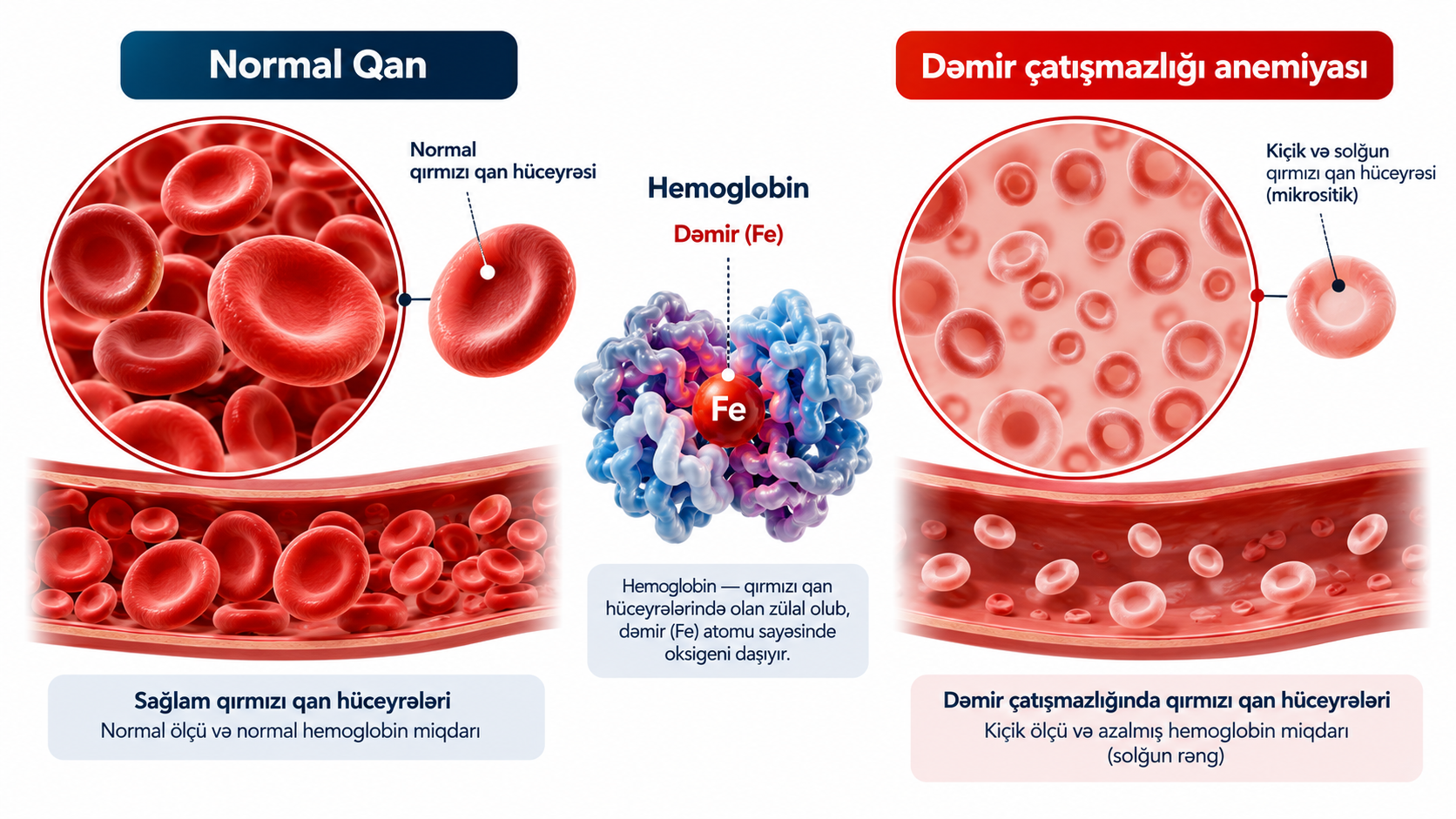
Iron deficiency can develop gradually and may remain unnoticed for a long time. As iron stores decline, symptoms may begin to affect daily activities and quality of life.
Certain groups have a higher risk of developing iron deficiency:
People who donate blood regularly may benefit from monitoring their hemoglobin and iron stores, particularly if they develop symptoms of deficiency.
Sorbifer Durules, manufactured by Egis Pharmaceuticals in Hungary, is a combination medication containing ferrous sulfate and ascorbic acid (vitamin C). Each tablet contains approximately:
The name "Durules" refers to a modified-release technology designed to release the active ingredient gradually over several hours. This controlled-release formulation is intended to provide a gradual supply of iron in the gastrointestinal tract. Vitamin C supports iron absorption by helping maintain iron in a form that can be absorbed by intestinal cells.
Ascorbic acid can help convert ferric iron (Fe³⁺) into ferrous iron (Fe²⁺), which is more readily absorbed. However, the degree of improvement in absorption varies, and vitamin C does not eliminate the possibility of gastrointestinal side effects.
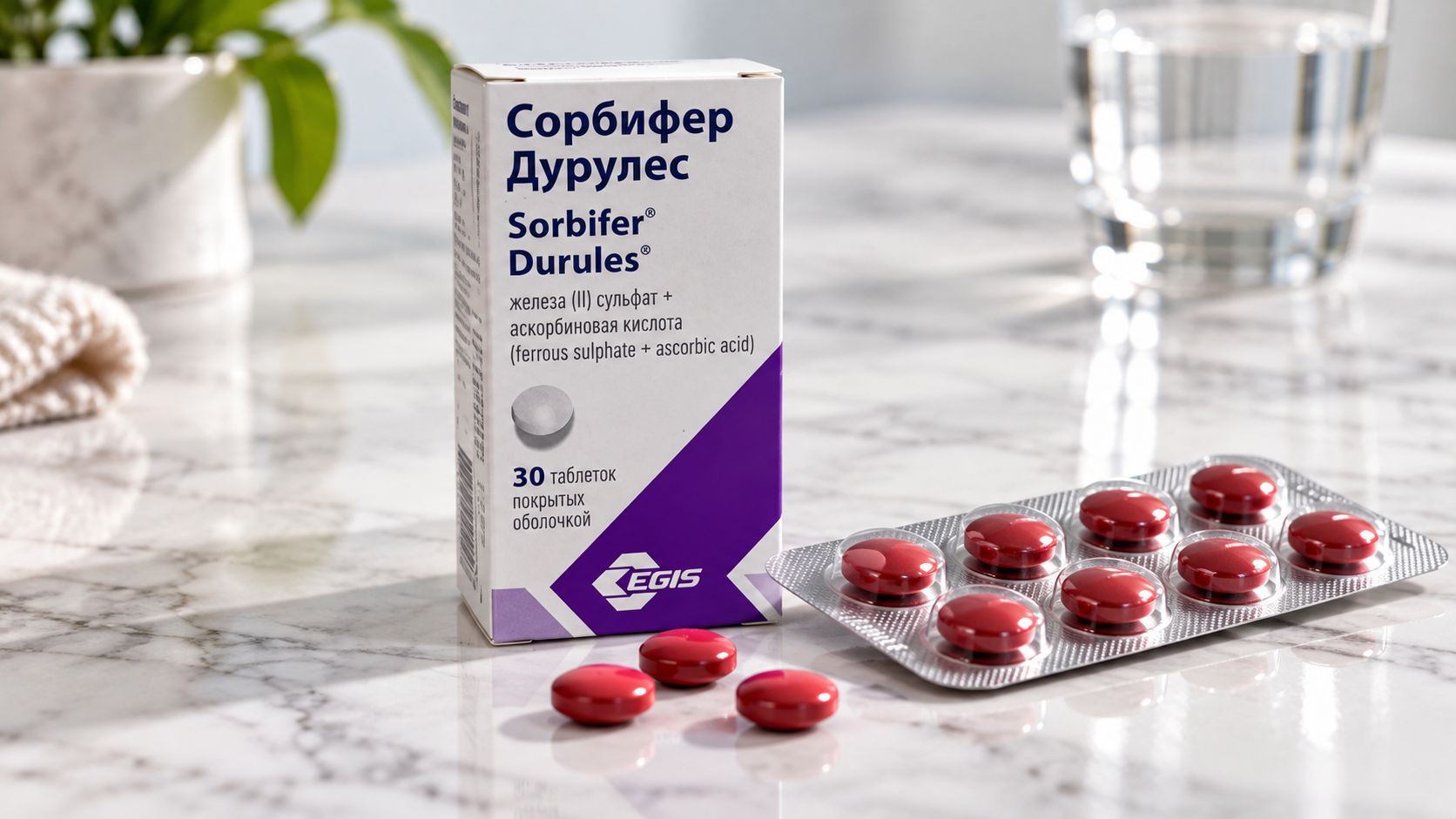
Several other iron preparations are available, including Ferrum Lek, Ferratonal, and liquid iron products such as Tot'hema. Sorbifer Durules contains ferrous iron (Fe²⁺), a commonly used form in the treatment of iron deficiency anemia. Some individuals may experience gastrointestinal side effects, such as nausea, abdominal discomfort, or constipation. Other formulations, including ferric iron complexes, may be better tolerated by certain patients, although absorption and clinical effectiveness depend on the specific product. The most appropriate iron preparation should be selected by a healthcare professional based on laboratory results, gastrointestinal tolerance, age, pregnancy status, and individual medical needs.
The appropriate dose of Sorbifer Durules depends on the severity of iron deficiency and the patient's medical condition. A commonly used treatment regimen may involve one tablet once or twice daily, depending on the prescribing instructions and medical assessment. Higher or lower doses may be recommended by a physician based on laboratory results and tolerance. For prevention in certain high-risk groups, such as during pregnancy, the dosage should be individually determined by a healthcare professional. Treatment may continue for approximately 3–6 months, although the duration varies. Iron supplementation is often continued after hemoglobin levels improve to replenish iron stores, as assessed through follow-up blood tests.
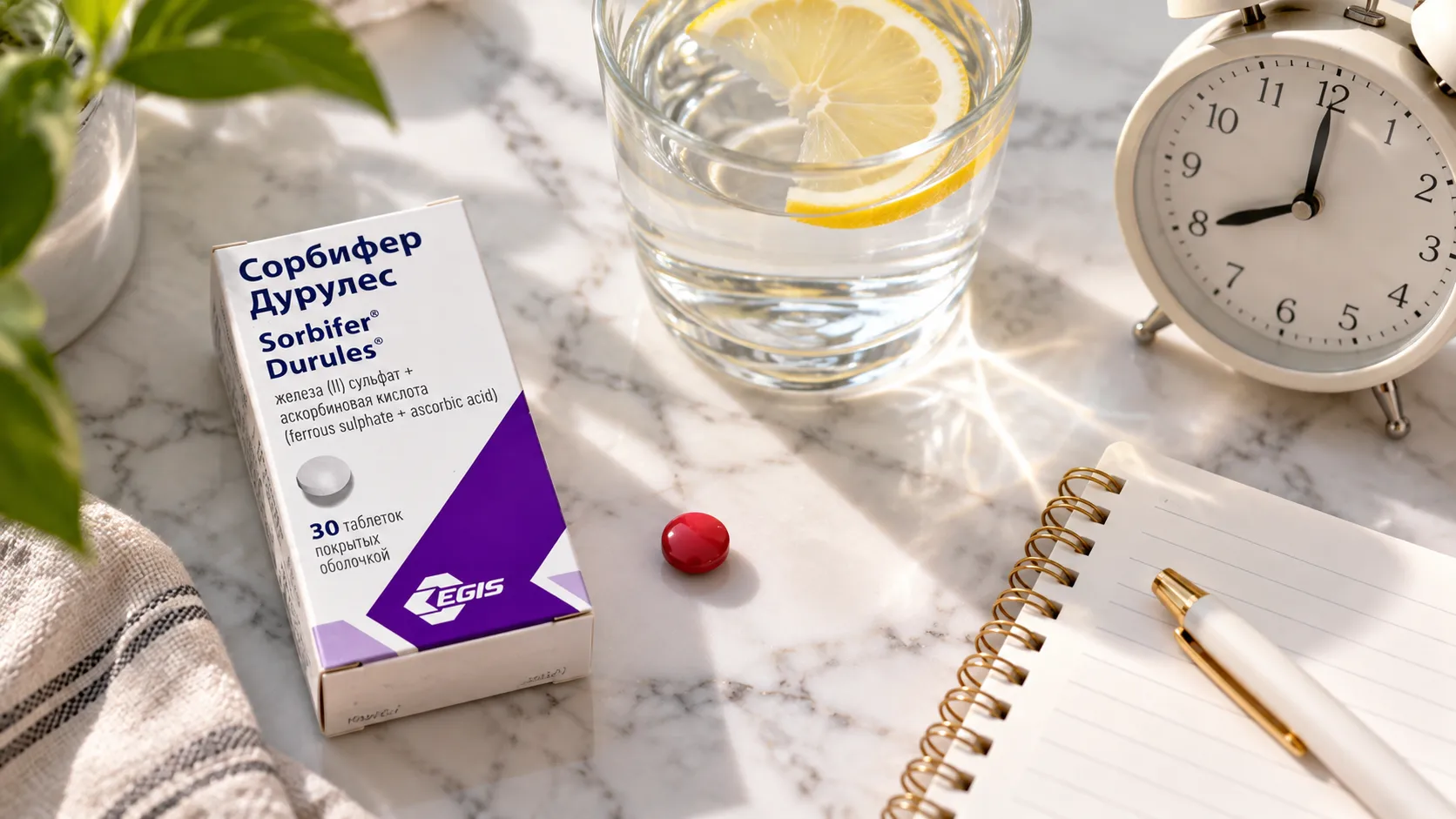
Iron is generally absorbed more efficiently on an empty stomach. Depending on the product instructions and medical advice, Sorbifer Durules may be taken before meals with a glass of water. If nausea or stomach discomfort occurs, taking the medication with food may improve tolerability, although food can reduce iron absorption. Swallow the tablet whole. Do not crush, chew, or split it, as this can interfere with the modified-release formulation.
It is generally recommended to take Sorbifer Durules with a glass of water. Vitamin C can support iron absorption, and the medication already contains ascorbic acid. Certain foods, drinks, and medications can interfere with iron absorption, including:
A gap of at least 2 hours may be appropriate for some of these products, although certain medication interactions require a longer interval. Follow your pharmacist's or doctor's specific instructions.
⚠️ Important: Iron supplements may cause stools to become dark or black, which is often harmless. However, black, tarry stools accompanied by severe abdominal pain, vomiting, dizziness, or weakness may indicate gastrointestinal bleeding and require urgent medical attention.
When iron deficiency anemia is correctly diagnosed and treated, improvements may begin within the first few weeks. Some patients notice increased energy and reduced fatigue after approximately 2–4 weeks. Hemoglobin levels may begin to rise earlier, while the time required for normalization depends on the severity of anemia and the underlying cause. Hair and nail changes usually improve more slowly because restoring iron stores takes time. If hair loss is related to iron deficiency, improvement may become noticeable over several months following successful treatment.
Potential benefits of correcting iron deficiency with Sorbifer Durules include:
The most common side effects of oral iron supplements include:
If side effects become persistent or severe, consult your healthcare provider. Taking the medicine with food may improve gastrointestinal tolerance. Any dose adjustment should be discussed with the prescribing physician. Drinking adequate fluids and maintaining a balanced diet may help manage constipation.
During pregnancy, maternal blood volume increases significantly, often by approximately 40–50%. This increases iron requirements because more iron is needed to produce red blood cells and support fetal development. The recommended daily dietary iron intake during pregnancy is generally around 27 mg, compared with approximately 18 mg for many non-pregnant women of reproductive age. Insufficient iron intake or depleted iron stores may result in iron deficiency anemia.
Iron deficiency anemia during pregnancy may be associated with:
Sorbifer Durules may be prescribed during pregnancy when iron supplementation is medically indicated. Oral iron preparations are commonly used to prevent or treat iron deficiency anemia in pregnant women. The appropriate dosage should be determined by an obstetrician or another qualified healthcare professional based on blood test results. Iron requirements often increase during the second and third trimesters. Consult your doctor before starting treatment, particularly during the first trimester. Sorbifer Durules may also be considered during breastfeeding when appropriate, but the decision should be guided by a healthcare professional.
Dietary iron occurs in two main forms:
Heme iron is found in animal-based foods such as meat, poultry, and fish. It is generally absorbed more efficiently, with absorption rates often estimated at approximately 15–35%. Non-heme iron is found primarily in plant-based foods, including vegetables, legumes, and grains. Its absorption varies and may increase when consumed with vitamin C-rich foods.
Including iron-rich foods in your diet can support the treatment of iron deficiency.
Tannins and polyphenols found in tea and coffee can reduce non-heme iron absorption. Avoiding these beverages around iron-rich meals or iron supplement doses may help improve absorption. Pomegranate juice can be part of a balanced diet, but it cannot replace medically indicated iron supplementation for the treatment of iron deficiency anemia.
Folic acid (vitamin B9) is essential for DNA synthesis, cell division, and normal red blood cell formation. Iron and folate both contribute to healthy blood cell production, but they perform different biological functions. Folate deficiency may cause megaloblastic anemia, which differs from iron deficiency anemia. In some cases, both deficiencies may occur simultaneously.
During pregnancy, adequate folic acid intake is especially important because it supports the development of the baby's neural tube and helps reduce the risk of neural tube defects.
Important: Standard Sorbifer Durules tablets contain ferrous sulfate and vitamin C, not folic acid. If folic acid supplementation is required, your healthcare professional may recommend a separate product or an appropriate combined formulation.
Good dietary sources of folate include:
Although these foods provide folate, supplements are often recommended for people planning pregnancy or during pregnancy because adequate folic acid intake is essential for early fetal development. Supplementation should follow professional guidance.
A healthcare professional may recommend the following tests when evaluating suspected iron deficiency or related anemia:
Additional tests, including vitamin B12 or inflammatory markers, may be required depending on the clinical situation. A doctor should interpret the results together rather than relying on a single measurement.
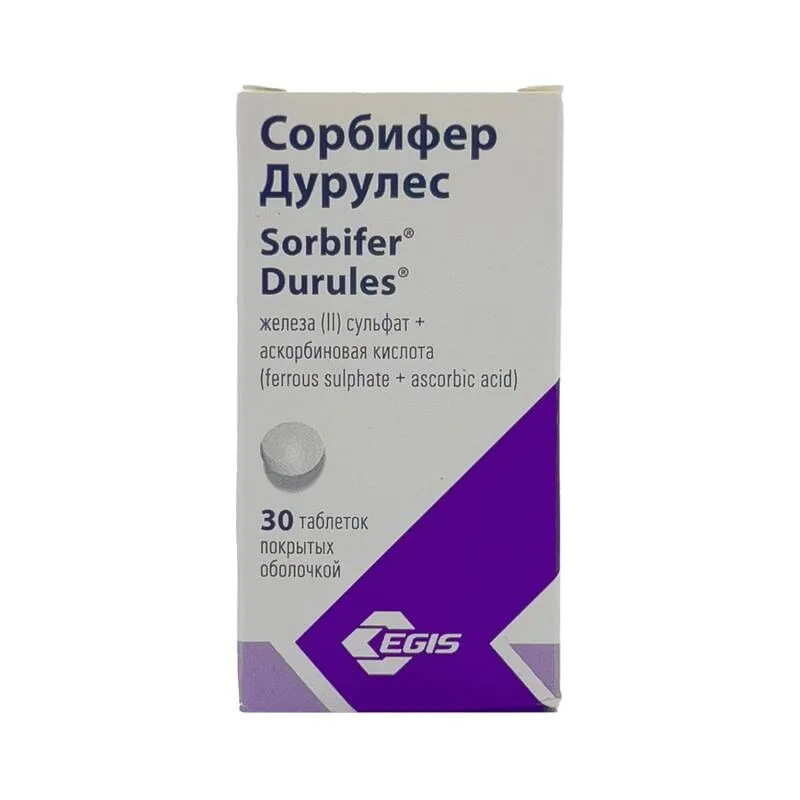
Sorbifer Durules is an oral iron preparation used to treat iron deficiency anemia. Each tablet provides 100 mg of elemental iron and 60 mg of vitamin C. Its modified-release formulation gradually releases iron over several hours. The medication may be prescribed during pregnancy, breastfeeding, or after blood donation when iron supplementation is medically indicated. Use only according to professional medical advice.
Order at Avismed.az →
12.00 AZN
Ferrum Lek contains an iron(III)-hydroxide polymaltose complex. This formulation may be better tolerated by some patients who experience gastrointestinal discomfort with other iron preparations. The chewable tablet format can provide an alternative for patients who have difficulty swallowing conventional tablets. Suitability, including use in children, depends on age, product instructions, and professional medical advice.
Order at Avismed.az →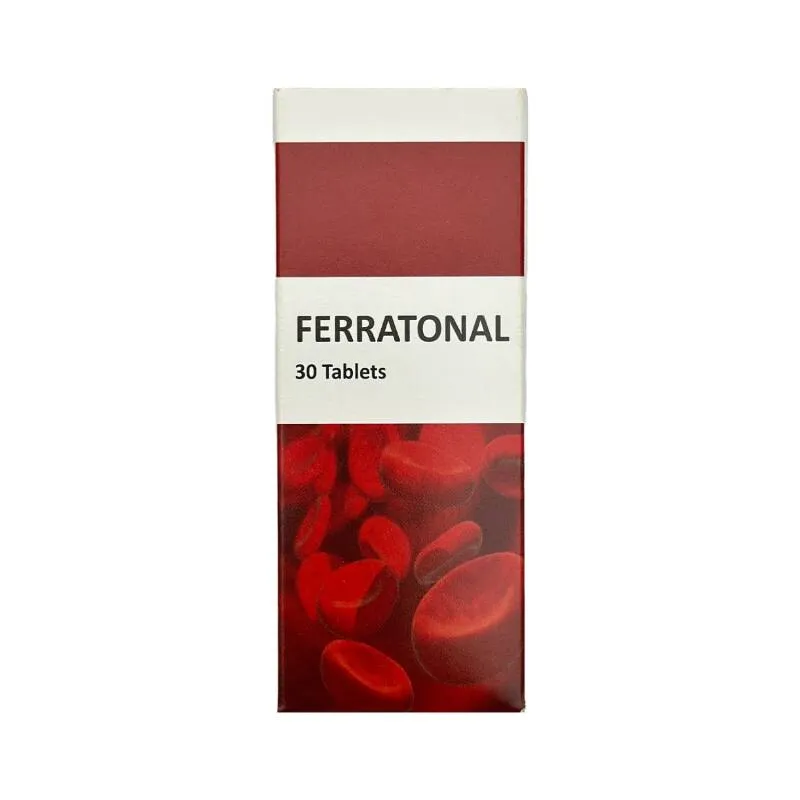
33.50 AZN
Ferratonal is presented as a combined formulation containing iron fumarate, vitamin B12, folic acid, and vitamin C. These nutrients contribute to normal red blood cell formation and iron metabolism. Combined supplementation may be considered when multiple nutrient deficiencies are identified. Use during pregnancy, breastfeeding, or for anemia treatment should be based on the product's approved instructions and a healthcare professional's recommendation.
Order at Avismed.az →Iron is generally better absorbed on an empty stomach. However, taking it with food may reduce nausea and abdominal discomfort. Follow the instructions supplied with Sorbifer Durules and your doctor's recommendations regarding the timing of each dose.
Sorbifer Durules may be prescribed once or twice daily, depending on the patient's iron requirements and medical condition. The dose should be determined by a healthcare professional. Swallow the tablets whole without chewing or crushing them.
Common symptoms include persistent fatigue, weakness, pale skin, hair loss, brittle nails, shortness of breath, dizziness, poor concentration, and sensitivity to cold. Blood tests, including hemoglobin and serum ferritin measurements, can help determine whether iron deficiency is present.
Sorbifer Durules may be prescribed during pregnancy when iron supplementation is needed. Iron requirements increase during pregnancy, particularly in the second and third trimesters. However, dosage and treatment duration must be determined by a healthcare professional.
Tea, coffee, milk, calcium supplements, and certain antacids may interfere with iron absorption. These should generally not be taken at the same time as the iron supplement. Your pharmacist can advise on the appropriate interval for individual products and medications.
Iron deficiency treatment may last approximately 3–6 months or longer, depending on the severity of deficiency and the response to treatment. Iron supplementation may continue after hemoglobin levels normalize to help restore iron stores. A healthcare professional should determine the treatment duration using follow-up blood tests.
Yes. Iron and folic acid perform different but complementary roles in normal red blood cell production. Combined supplementation is commonly used during pregnancy when indicated. Standard Sorbifer Durules contains iron and vitamin C but does not contain folic acid. Consult your healthcare professional before adding other supplements.
Persistent fatigue, hair loss, pale skin, and reduced physical performance may be signs of iron deficiency. Measuring hemoglobin and serum ferritin levels can help identify the problem. Sorbifer Durules is a modified-release iron medication containing ferrous sulfate and vitamin C. It is used to replenish iron levels when supplementation is medically indicated. Whether iron deficiency occurs during pregnancy, after blood donation, or as a result of other medical conditions, appropriate diagnosis and treatment are essential. At Avismed.az, you can explore iron preparations including Sorbifer Durules, Ferrum Lek, and Ferratonal, and find products suited to your healthcare professional's recommendations.
Order Sorbifer Durules →Medical Disclaimer: This article is provided for informational purposes only and does not replace professional medical advice, diagnosis, or treatment. Consult a qualified healthcare professional before taking iron supplements, especially during pregnancy, breastfeeding, or if you have a chronic medical condition. Excessive iron intake may be harmful. Product availability, prices, and formulations should be verified before purchase.
 Powered by
T-SOFT
E-Commerce