 EN − AZN

Why Do Digestive Problems Increase in Winter?
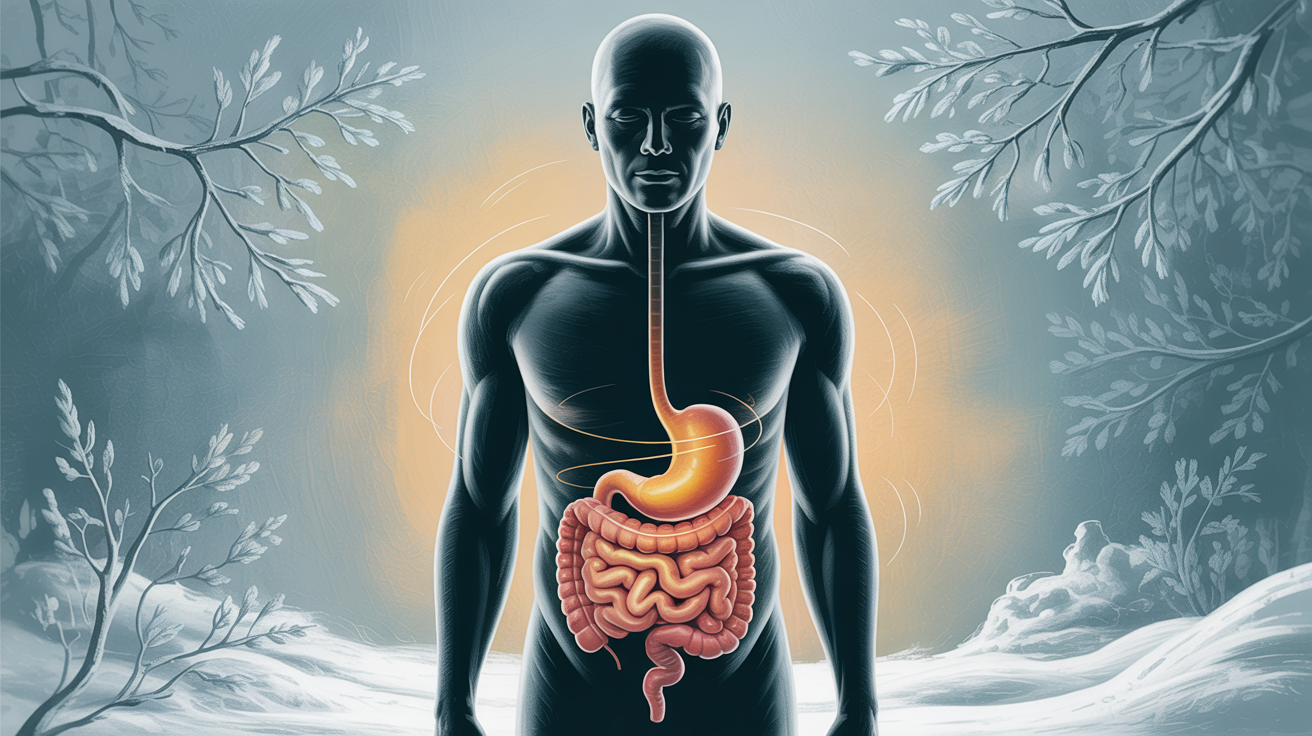
During the winter months, many people notice an increase in digestive complaints such as stomach pain, bloating, constipation, or diarrhea. While these issues are often blamed on diet alone, in reality, the digestive system undergoes natural physiological changes as the body adapts to colder weather.
Why Does the Digestive System Become More Sensitive in Winter?
Seasonal Changes and the Digestive System
In winter:
-
physical activity decreases
-
fluid intake is often reduced
-
heavier and fattier foods are consumed more frequently
These factors increase the risk of gastrointestinal disturbances and slow down digestion.
Why Do Stomach Pain and Spasms Increase in Winter?
Common Causes of Stomach Pain
Stomach pain becomes more frequent during winter due to:
-
cold-induced muscle spasms
-
irregular eating habits
-
increased sensitivity of the gastrointestinal tract
In cases of spasmodic abdominal pain, Duspatalin 200 mg N30 capsules are commonly used to help relax intestinal muscles.
Bloating and Gas Problems
Why Does Abdominal Bloating Occur?
Bloating and abdominal distension are usually caused by gas accumulation in the intestines. In winter, this problem is aggravated by:
-
slowed intestinal motility
-
digestive enzyme insufficiency
-
consumption of heavy meals
In such cases, Espumizan 40 mg N25 capsules may help reduce gas-related discomfort.
Why Is Constipation More Common in Winter?
During the colder months:
-
physical movement decreases
-
water intake is lower
-
fiber consumption is insufficient
All of these factors contribute to constipation. Guttalaks 7.5 mg 30 ml drops are often used to support bowel movements when necessary.
Digestive Disorders and Enzyme Deficiency
Why Does Digestion Become Difficult?
After consuming heavy or fatty foods, digestive disorders may occur due to insufficient enzyme activity. In such situations, Kreon 10000 I.U. N20 capsules help support the digestion of food by providing digestive enzymes.
Diarrhea and Intestinal Imbalance
Why Does Diarrhea Occur in Winter?
Winter-related diarrhea is often linked to:
-
gastrointestinal infections
-
sudden dietary changes
-
disruption of intestinal flora
In these cases, Smekta 3 g N10 sachets may help protect the intestinal lining and reduce symptoms.
Probiotics and Intestinal Flora
Why Is Gut Balance Important?
Stress, antibiotic use, and dietary changes can weaken intestinal microbiota. Probiotic support becomes especially important during winter.
-
Enterojermina 5 mg N10 vials help restore healthy intestinal flora
-
Bigflor N10 capsules support beneficial bacteria balance in the gut
Frequently Asked Questions
Are digestive problems normal in winter?
Yes, seasonal changes can increase digestive issues, but persistent symptoms should be evaluated by a healthcare professional.
Is bloating dangerous?
In most cases, bloating is harmless. However, frequent or severe bloating may require medical attention.
Can constipation medications be used long-term?
No. Long-term use should only be done under medical supervision.
When are probiotics useful?
Probiotics are beneficial when intestinal flora is disrupted, especially after antibiotic use.
Conclusion
Digestive problems in winter are part of the body’s natural adaptation to seasonal changes. Symptoms such as stomach pain, bloating, constipation, diarrhea, and digestive discomfort are often linked to lifestyle and dietary habits. However, if these symptoms persist or worsen, proper medical evaluation and an appropriate approach are essential. Understanding and responding to the body’s signals is key to maintaining healthy digestion during winter.