English
Azərbaycan
Русский
59 ₼ və üzəri sifarişlərə pulsuz çatdırılma
Sifarişimi izlə
Diarrhea Treatment: Loperamide, Enterol, Regidron, and Smecta. Diarrhea is a common digestive problem that can cause significant discomfort and dehydration. In this guide, you will learn about the different types of diarrhea, appropriate loperamide use, managing dehydration with Regidron, the difference between Smecta and Enterol, how diarrhea is managed in children, and what foods may help during recovery. Choosing the right treatment depends on the cause and severity of diarrhea. Although many episodes improve within a few days, the most important priority is maintaining adequate fluid and electrolyte levels.
Diarrhea is generally defined as passing three or more loose or watery stools per day, or more frequently than is normal for an individual. It develops when the intestines absorb less water or release more fluid than usual. Common causes include:
Often lasts several days and usually resolves without specific antimicrobial treatment. Oral rehydration is the main priority. Additional medicines may be considered depending on age and symptoms.
Antibiotic treatment can disrupt the intestinal microbiome. Some cases are mild, but persistent or severe symptoms may indicate a condition such as Clostridioides difficile infection and require medical evaluation.
Foodborne illness may result from bacteria, viruses, or toxins. Hydration is essential. Antibiotics are needed only in selected cases and should be prescribed by a healthcare professional.
Stress can affect communication between the brain and gut. Occasional symptoms may improve with supportive care, while recurrent diarrhea may require evaluation for irritable bowel syndrome or other conditions.
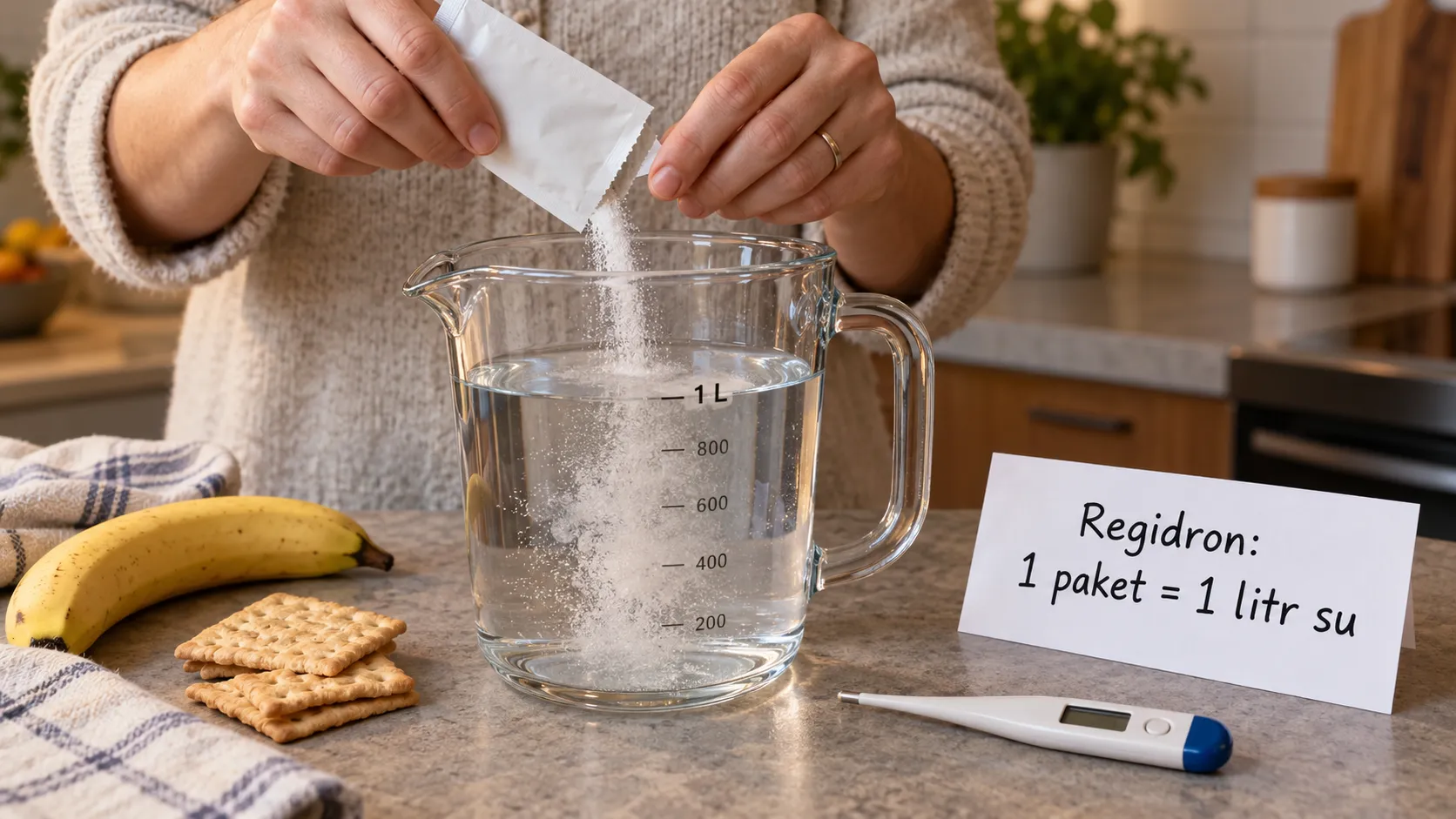
During diarrhea, the body loses both water and important electrolytes, including sodium, potassium, and chloride. Drinking fluids is essential, but significant electrolyte losses may require a specially formulated oral rehydration solution. Products such as Regidron contain salts and glucose designed to help replace fluid and electrolyte losses.
Common signs of dehydration include:
Severe dehydration requires urgent medical attention. People who cannot drink or retain sufficient fluids may need treatment in a healthcare setting.
Regidron is an oral rehydration salts product used to replace fluids and electrolytes lost through diarrhea or vomiting. Depending on the formulation, it contains ingredients such as:
These ingredients help the intestines absorb water and electrolytes. Preparation: Follow the instructions printed on the exact Regidron package. Some formulations require dissolving one sachet in one liter of safe drinking water, but other formulations may require a different water volume. Use the specified amount of clean water. Do not mix the powder with milk, fruit juice, or sweetened drinks. An incorrect dilution can affect the balance of electrolytes.
Important: Oral rehydration is the foundation of diarrhea management. Antidiarrheal medicines, sorbents, and probiotics do not replace adequate fluid and electrolyte replacement.
Loperamide is an antidiarrheal medicine that slows intestinal movement. It acts on opioid receptors in the intestinal wall, allowing more time for water to be absorbed and helping reduce stool frequency. Loperamide may provide temporary symptom relief for certain types of acute, uncomplicated diarrhea in adults. It may also be prescribed for selected chronic bowel conditions under medical supervision. However, loperamide does not treat the underlying cause of infection.
Do not use loperamide without medical advice if diarrhea is accompanied by blood in the stool, high fever, significant abdominal swelling, severe abdominal pain, or suspected Clostridioides difficile infection.
A commonly used adult regimen for acute diarrhea begins with 4 mg, followed by 2 mg after each subsequent loose stool. However, the maximum daily dose differs between non-prescription and prescription products and across countries. Always follow the product's approved instructions and never exceed its stated maximum. Seek medical advice if symptoms persist beyond 48 hours.
Loperamide is not routinely recommended for acute infectious diarrhea in children. Age restrictions vary by country and product. It should not be given to young children without explicit medical guidance. Oral rehydration is the primary treatment.
Loperamide may be unsuitable when:
For antibiotic-associated diarrhea, the underlying cause should be assessed, particularly if symptoms are severe or persistent. For food poisoning, hydration is essential, while additional treatment depends on the suspected cause. Loperamide, Smecta, and Regidron should not automatically be combined. Treatment should be selected according to individual symptoms, contraindications, and professional advice.
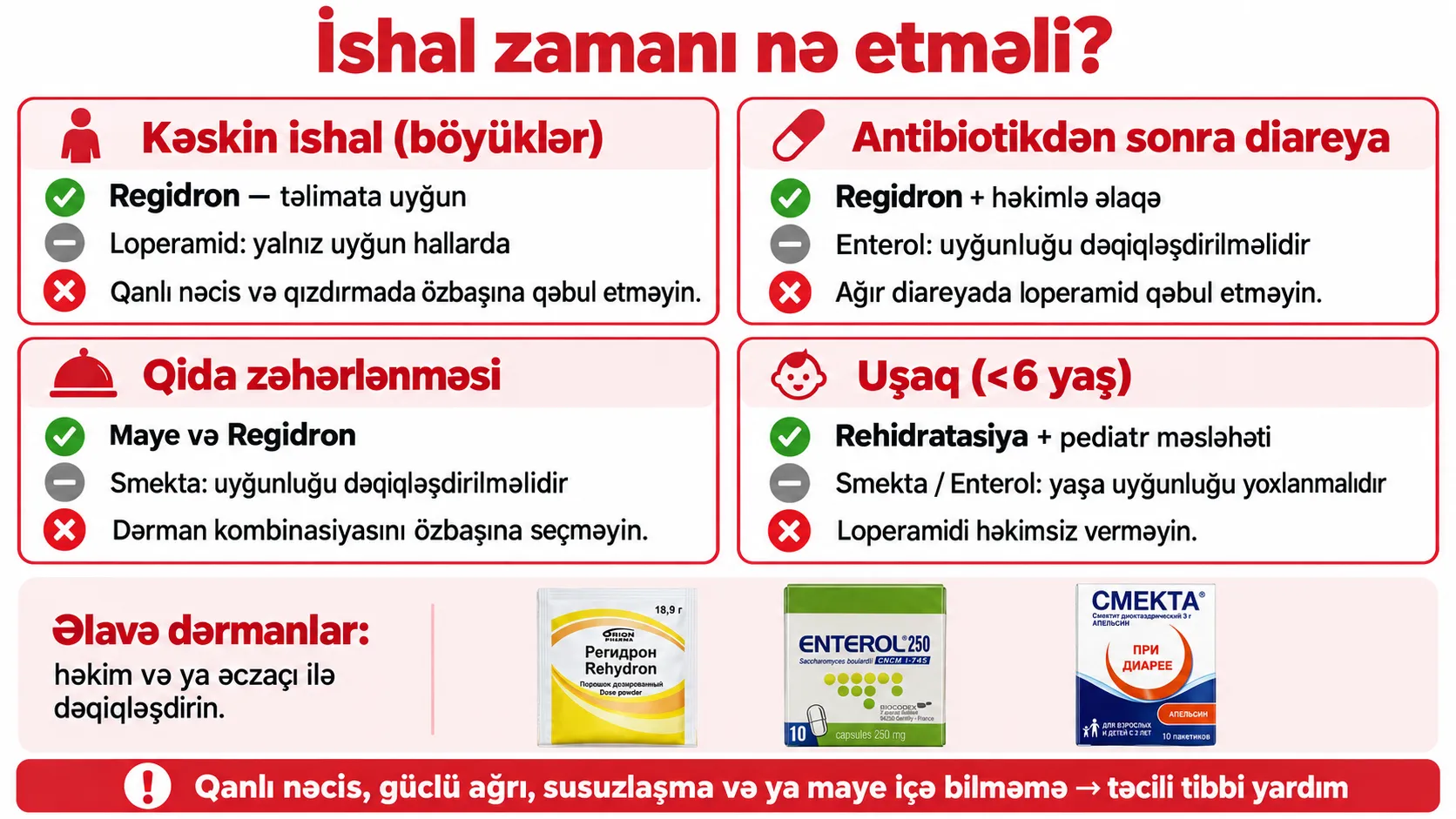
Smecta is a product containing diosmectite, a naturally derived intestinal adsorbent. Diosmectite acts locally in the digestive tract and may help bind certain substances and support the intestinal mucosal barrier. It is used for the symptomatic management of certain types of diarrhea according to its approved indications. However, Smecta does not replace oral rehydration therapy.
Important: Age restrictions vary by formulation and country. In some jurisdictions, diosmectite is not recommended for children younger than two years. Pregnant or breastfeeding women should consult a healthcare professional before use. Diosmectite may affect the absorption of other oral medicines, so doses should be separated according to the product instructions. Constipation is a possible side effect.
Enterol 250 contains Saccharomyces boulardii, a beneficial yeast used as a probiotic. It is commonly used in products intended to support intestinal microbial balance and may have a role in managing certain diarrhea-related conditions. Research has evaluated Saccharomyces boulardii in:
The evidence and recommendations differ by condition, patient group, and specific probiotic preparation. Enterol is not a substitute for appropriate treatment of serious infections such as Clostridioides difficile colitis. Use Enterol according to the product leaflet or a healthcare professional's instructions. Avoid mixing live probiotic preparations with very hot liquids. People who are critically ill, severely immunocompromised, or have a central venous catheter should not use Saccharomyces boulardii without specialist advice because of the risk of invasive yeast infection.
Probiotics are products containing live microorganisms intended to provide health benefits when used appropriately. Their effectiveness depends on the specific strain, formulation, dosage, and condition being treated. Probiotic products include Enterol, Linex Forte, and Bifiform, although their ingredients and evidence bases differ. Not everyone requires probiotics after taking antibiotics. If diarrhea persists after an antibiotic course, consult a healthcare professional rather than relying solely on probiotic supplements.
Diarrhea and vomiting in children can lead to dehydration more quickly than in healthy adults. Young infants and toddlers are particularly vulnerable because they have smaller fluid reserves. The main priority is oral rehydration using an age-appropriate oral rehydration solution. The amount needed should be based on the child's weight, hydration status, and continuing fluid losses. Children with signs of significant dehydration need prompt medical assessment.
Important principles include:
For some children, oral rehydration plans may involve approximately 50–100 ml/kg over several hours, depending on dehydration severity. These are clinical treatment ranges, not universal home dosing instructions. A healthcare professional should determine the appropriate regimen for a child who is already dehydrated.
Blood in the stool, severe dehydration, very little or no urination, severe lethargy, inability to wake normally, severe abdominal pain, or inability to retain fluids. A young infant with diarrhea or fever should be assessed promptly.
Diarrhea persisting for more than two days, repeated vomiting, increasing abdominal pain, poor fluid intake, or worsening symptoms.
Mild diarrhea without warning signs, when the child remains alert, drinks adequately, urinates normally, and shows no signs of dehydration. Continue monitoring and offer appropriate oral fluids.
The traditional BRAT diet includes:
These foods may be comfortable to eat during recovery from diarrhea. However, the BRAT diet alone does not provide sufficient nutritional variety for prolonged use, especially in children. As soon as tolerated, return to a balanced, age-appropriate diet. Maintaining fluid intake remains essential.
During diarrhea, some foods and drinks may worsen symptoms.
Foods do not need to be avoided unnecessarily. Choose meals according to individual tolerance and gradually resume normal eating as symptoms improve. Infants should continue breastfeeding or their usual feeding plan according to medical advice.
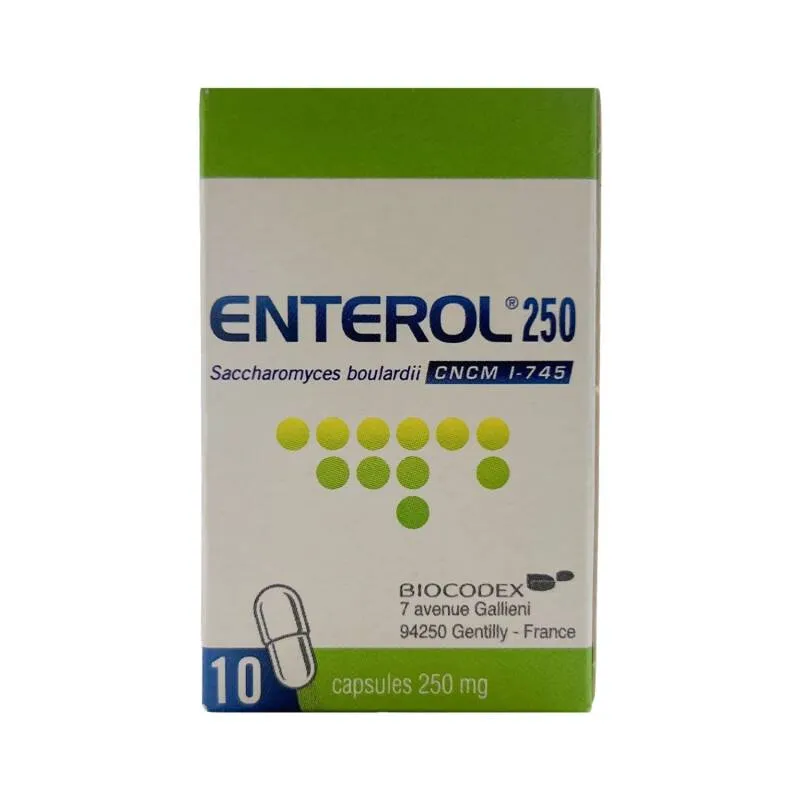
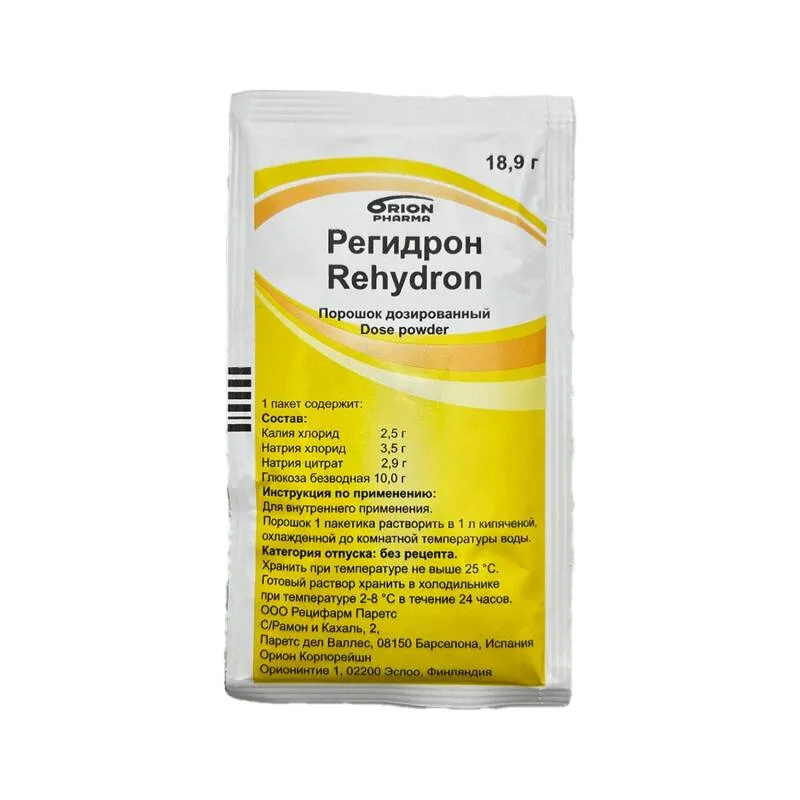
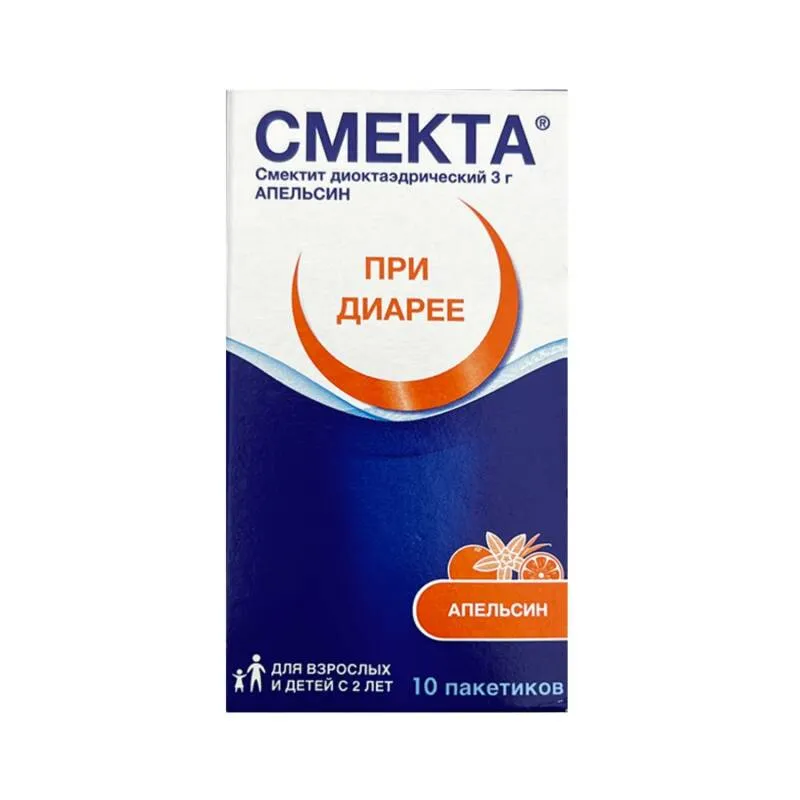
Diarrhea treatment depends on the underlying cause and the patient's condition. For most cases of acute diarrhea, replacing lost fluids and electrolytes is the most important step. Regidron provides an oral rehydration option when prepared and used correctly. Enterol 250 contains a probiotic yeast that may be considered in certain diarrhea-related conditions. Smekta is an intestinal adsorbent that may provide symptomatic support when appropriate. Loperamide can help selected adults manage uncomplicated diarrhea, but it is not suitable for every type of infection or patient. Children require particular care because dehydration can develop quickly. The safest approach is to maintain hydration, monitor warning signs, follow product instructions, and seek medical advice when symptoms are severe or persistent.
This article is for informational purposes only and does not replace professional medical advice, diagnosis, or treatment. Consult a doctor or pharmacist before using medicines for diarrhea, particularly for infants, children, pregnant or breastfeeding women, older adults, and people with chronic medical conditions. Product formulations, dosing instructions, age restrictions, and availability may vary. Avismed.az — pharmacy and medical products in Azerbaijan.
 Powered by
T-SOFT
E-Commerce