English
Azərbaycan
Русский
59 ₼ və üzəri sifarişlərə pulsuz çatdırılma
Sifarişimi izlə
Sore Throat: Strepsils, Sprays, Lozenges, and Treatment Guide. If you experience a burning sensation when swallowing, throat irritation, dryness, or discomfort, this guide is for you. In this article, you will learn how to choose sore throat medicines, the role of Strepsils lozenges, how to use a throat spray properly, the differences between pharyngitis and tonsillitis, how to manage sore throats in children, and which home remedies and gargling methods may help. Respiratory infections often become more common during the school season, making appropriate symptom management and timely medical advice particularly important.
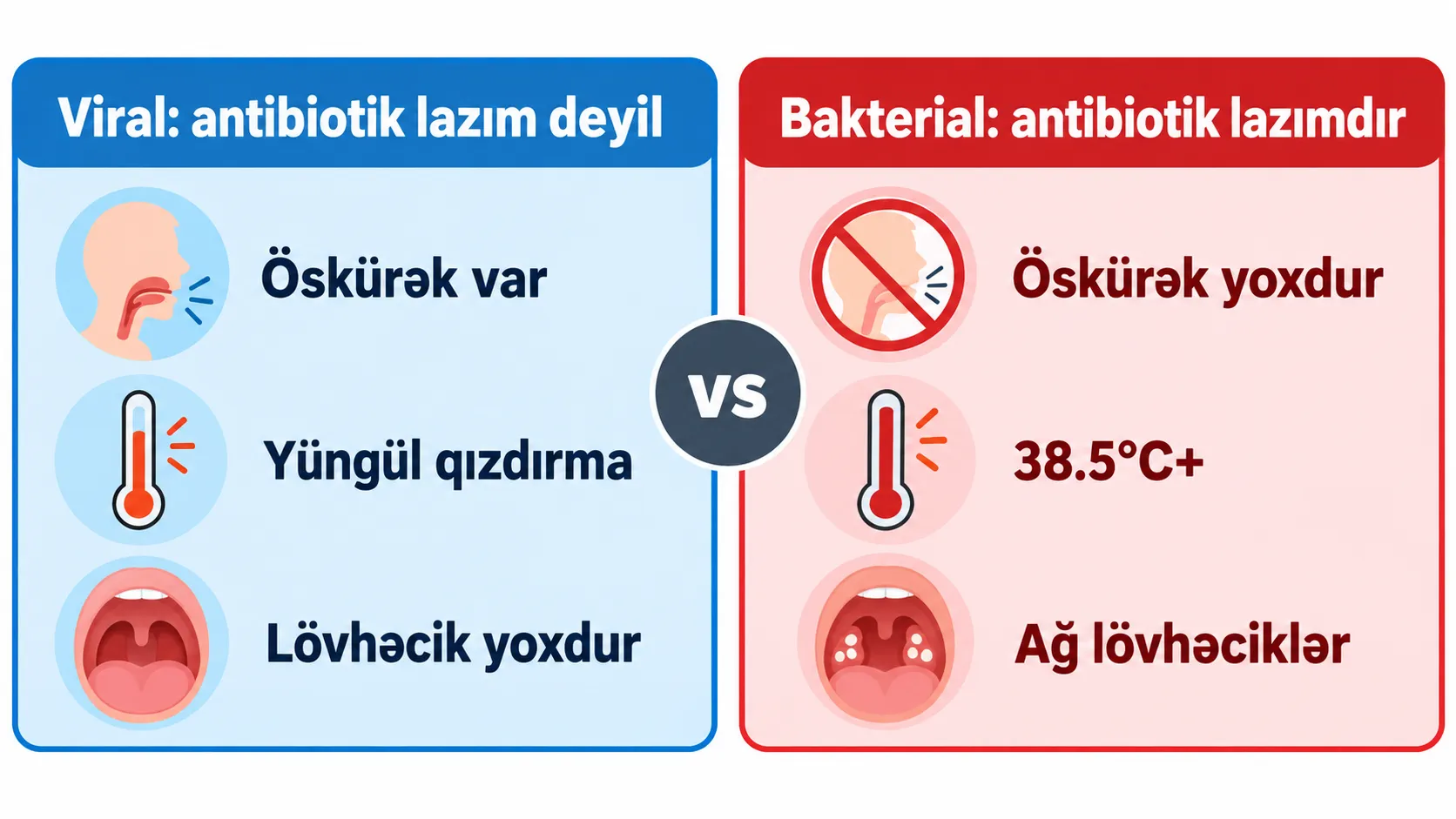
A sore throat can develop for several reasons. Most cases are caused by viral infections, including rhinoviruses, adenoviruses, and influenza viruses. Other possible causes include bacterial infections, particularly Group A Streptococcus, allergies, acid reflux, dry air, smoking, and excessive strain on the voice. Viral throat infections usually improve on their own within several days and generally do not require antibiotics. Bacterial throat infections may require antibiotic treatment when confirmed or clinically indicated. Understanding the underlying cause helps ensure appropriate treatment and reduces unnecessary antibiotic use.
Often develops gradually and may occur with a runny nose, cough, sneezing, or mild fever. The throat may appear red and irritated. Symptoms commonly improve within 5–7 days.
May begin suddenly with significant pain when swallowing, fever, swollen tonsils, and sometimes white patches. A cough may be absent in streptococcal throat infections. Medical testing may be necessary.
Often occurs seasonally and may cause itching, irritation, postnasal drip, watery eyes, and sneezing. Fever is generally absent. Managing the underlying allergy may improve symptoms.
Dry air, smoking, voice strain, and acid reflux can irritate the throat without infection. Hydration, avoiding irritants, and soothing lozenges may provide relief.

Pharyngitis is inflammation of the pharynx, the area at the back of the throat. Common symptoms include dryness, burning, irritation, discomfort when swallowing, and sometimes hoarseness. Many cases of pharyngitis are caused by viruses and improve without specific treatment. Allergies, environmental irritants, and acid reflux may also contribute to throat discomfort. For viral pharyngitis, supportive care may include:
Antibiotics are generally not required unless a bacterial infection is confirmed or strongly suspected.
Tonsillitis is inflammation of the tonsils, the lymphatic tissues located at the back of the throat. Symptoms may include significant pain when swallowing, red or swollen tonsils, white or yellowish patches, fever, and enlarged lymph nodes in the neck. Tonsillitis can be caused by either viruses or bacteria. Streptococcal tonsillitis is a bacterial infection caused by Group A Streptococcus. When confirmed, antibiotic treatment is usually recommended to reduce transmission, shorten symptoms, and lower the risk of certain complications.
Supportive measures may include throat lozenges, appropriate sprays, gargling, adequate hydration, and rest. Antibiotics are not normally necessary for viral pharyngitis.
Treatment depends on the cause. A healthcare professional may recommend a throat examination and a rapid strep test. Confirmed bacterial tonsillitis may require antibiotics such as penicillin or amoxicillin.
Sore throat medicines are available in several forms, including lozenges and throat sprays. Throat lozenges dissolve slowly in the mouth and may help soothe irritation, increase saliva production, and provide temporary relief from discomfort. Depending on their ingredients, they may have antiseptic, soothing, or local anesthetic effects. Throat sprays deliver active ingredients directly to the lining of the throat. Some products contain antiseptics, while others contain anti-inflammatory or pain-relieving ingredients. The most appropriate choice depends on your symptoms, age, health condition, and the product's active ingredients. Using several throat products together is not always necessary and should be discussed with a pharmacist when appropriate.
Strepsils is a well-known brand of throat lozenges. Certain classic Strepsils formulations contain:
These antiseptic ingredients have local antimicrobial activity and may help provide temporary relief from sore throat symptoms. The honey-and-lemon variety offers a pleasant flavor and a soothing sensation. For some classic formulations, the instructions allow one lozenge every 2–3 hours, up to a specified daily maximum. Always check the exact product leaflet, as maximum doses and age restrictions may vary by country and formulation. Lozenges should be allowed to dissolve slowly in the mouth rather than chewed or swallowed whole.
When choosing throat lozenges, pay attention to the active ingredients. Different products may contain:
Combination lozenges, such as certain Traxisan formulations, may contain both antimicrobial ingredients and a local anesthetic. Products containing anesthetics require particular care because temporary numbness may affect swallowing. Pregnant or breastfeeding women should consult a healthcare professional before using medicated lozenges.
A throat spray is a topical product that delivers active ingredients to the lining of the mouth and throat. Depending on its composition, it may contain antiseptic, anti-inflammatory, or pain-relieving substances. Sprays allow users to apply the product directly to the affected area, including the back of the throat or tonsillar region. Products such as Stomanginol are marketed for oral and throat care. However, the effect, duration, and recommended frequency of use depend on the specific formulation. Throat sprays provide symptomatic support and do not replace antibiotic treatment when a confirmed bacterial infection requires it.
Throat sprays for children must be selected according to the child's age and the specific product instructions. Some sprays are intended for older children only. In younger children, certain spray formulations may cause choking, irritation, or airway reflex reactions. Lozenges can also present a choking risk in children who cannot safely allow them to dissolve. For younger children, safer supportive measures may include adequate fluids, comfortable room humidity, and age-appropriate pain relief recommended by a healthcare professional. Avoid direct steam inhalation over hot water because it can cause burns.
Sore throats in children become more common during the school season because respiratory infections can spread easily in classrooms and other crowded environments. When choosing a sore throat medicine for children, it is essential to check the minimum age and product-specific directions. Possible supportive measures include:
Honey must not be given to infants younger than one year because of the risk of infant botulism.
If a child develops both sore throat and fever, monitor their overall condition, hydration, and ability to swallow. Fever-reducing medicines may help improve comfort, but they should be used according to the child's age, weight, and product instructions. White patches on the tonsils, significant pain when swallowing, swollen neck glands, or fever without typical cold symptoms may suggest a need for medical evaluation. A healthcare professional may perform a rapid strep test or throat culture to determine whether antibiotic treatment is necessary.
Difficulty breathing, inability to swallow saliva, drooling, severe neck swelling, inability to open the mouth normally, signs of dehydration, or difficulty staying awake.
White patches on the tonsils, persistent high fever, worsening pain, symptoms lasting longer than several days, or new ear pain.
Mild discomfort without warning signs, when the child is drinking normally, breathing comfortably, and remaining generally well.
Warm saltwater gargling is a commonly recommended home measure for temporary sore throat relief. A simple solution can be prepared by mixing approximately half a teaspoon of salt into a glass of warm water (around 200–250 ml). Gargling may help soothe irritation and reduce discomfort. Adults and children who can gargle safely may use this method several times daily as needed. The solution should be spat out rather than swallowed. Younger children who cannot gargle safely should not use this method.
Several supportive measures may help ease throat discomfort:
Avoid smoking, exposure to irritating fumes, and excessively hot drinks that may further irritate the throat. Steam inhalation over boiling water is not recommended because of the risk of scalding.
Antibiotics for a sore throat are generally appropriate only when a bacterial infection requires treatment. Most sore throats are caused by viruses and do not improve with antibiotics. When Group A Streptococcus is suspected, a clinician may perform a rapid antigen test or throat culture. A positive result commonly leads to treatment with an antibiotic such as penicillin or amoxicillin, provided there are no contraindications. For many confirmed streptococcal throat infections, a 10-day oral antibiotic course may be prescribed, although treatment duration depends on the chosen medicine and current medical guidance. Always complete the course exactly as prescribed.
A negative rapid test does not necessarily rule out streptococcal infection in every patient. In some children, a follow-up throat culture may be recommended. Treatment decisions should be made by a qualified healthcare professional.
Taking antibiotics without medical guidance can lead to several problems:
Products such as Strepsils, Stomanginol, and Traxisan may offer symptomatic relief when appropriate, but they are not substitutes for systemic antibiotics when a confirmed bacterial infection requires treatment. Never start antibiotics solely because your throat appears red or has white patches.

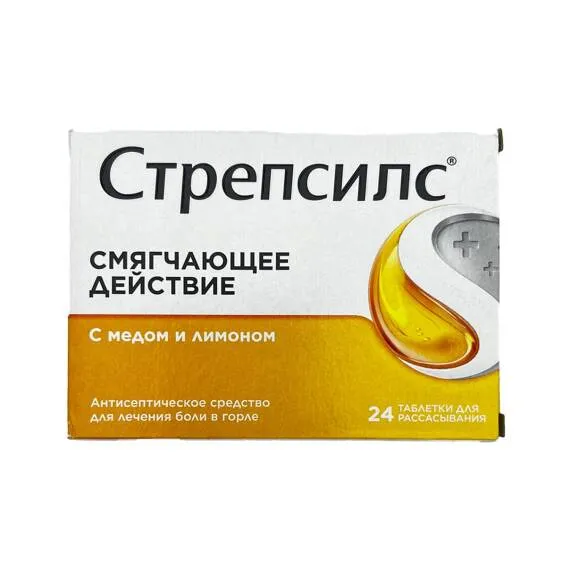
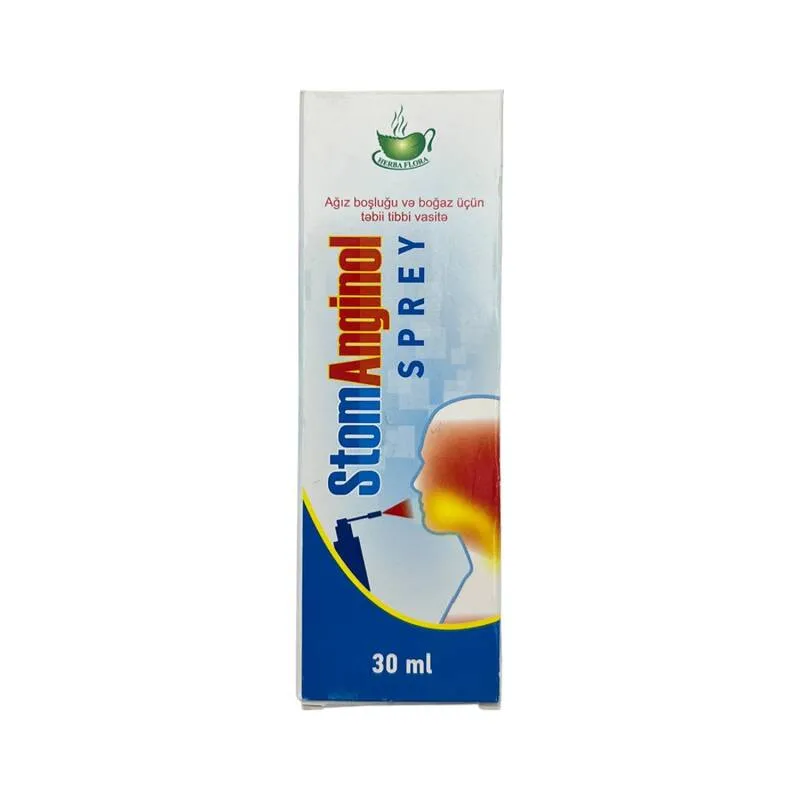
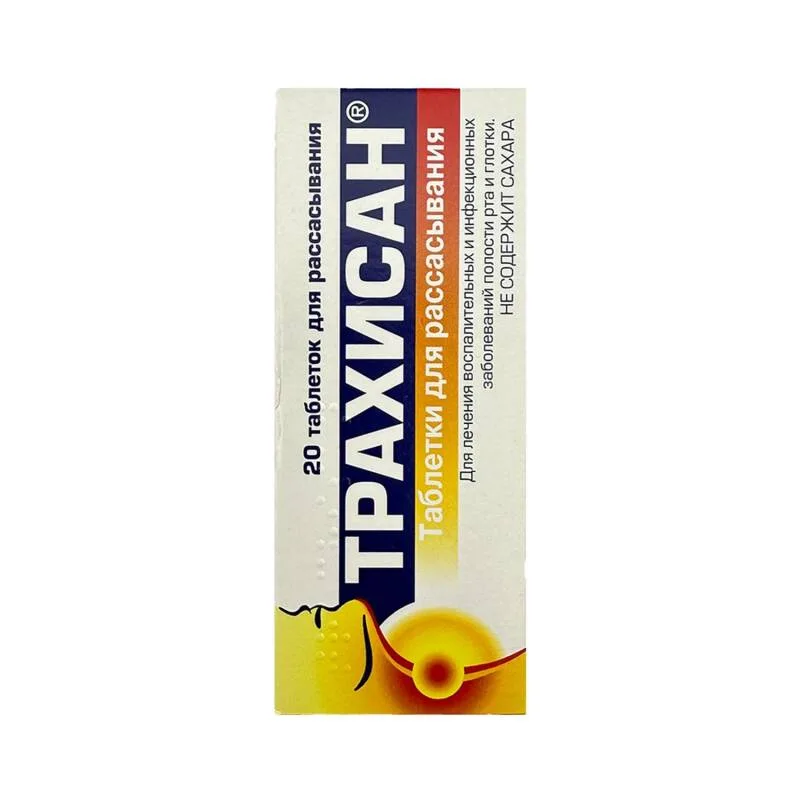
Sore throats are common and are most often caused by viral infections. In many cases, supportive measures such as adequate hydration, rest, soothing lozenges, suitable throat sprays, and warm saltwater gargling can help relieve symptoms. Strepsils offers antiseptic throat lozenges, Traxisan includes formulations with local pain-relieving ingredients, and Stomanginol is a throat spray intended for local application. However, persistent or severe symptoms should not be ignored. If you experience white patches on the tonsils, significant fever, worsening pain, or symptoms that do not improve, seek medical assessment. Antibiotics should only be used when prescribed for an appropriate bacterial infection.
This article is intended for informational purposes only and does not replace professional medical advice, diagnosis, or treatment. Consult a doctor or pharmacist before taking medicines, especially for children, pregnant or breastfeeding women, and people with chronic medical conditions. Product availability, formulations, age restrictions, and prices should be verified before purchase. Avismed.az — pharmacy and medical products in Azerbaijan.
 Powered by
T-SOFT
E-Commerce